Government is set to review the training curriculum of the Technical and Vocational Education and Training (TVET) to improve the quality of graduates and ensure they acquire skills that match the changing demands of the labour market.
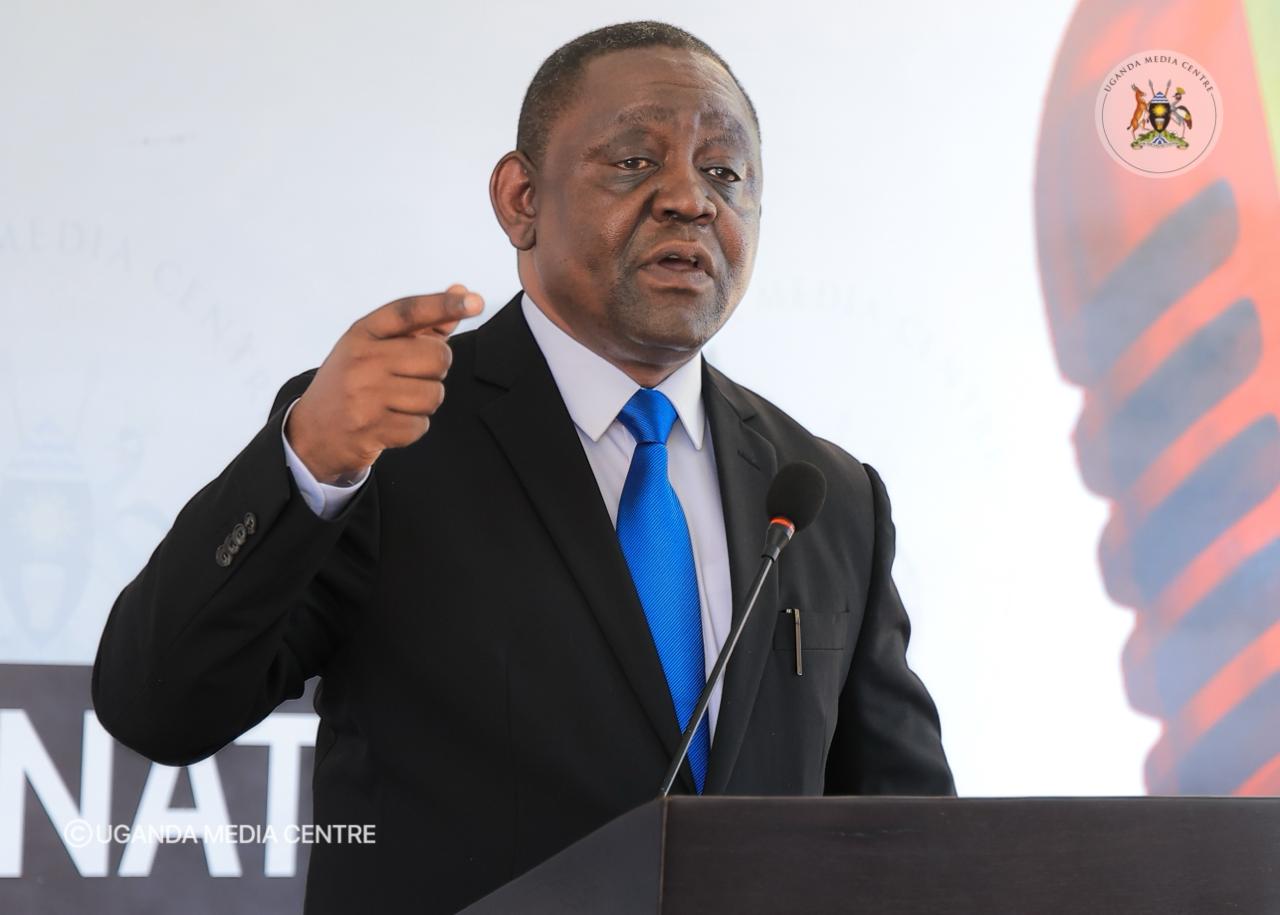
Moses Kasaki, the executive director of TVET, said the review is necessary because technology is changing rapidly and the skills required by employers are also evolving.
Speaking to journalists about the key changes being considered in Uganda’s TVET system, Kasaki said vocational training should no longer be viewed as a second choice for people who do not pursue academic education.
“TVET is no longer being treated simply as an alternative route for people who do not pursue academic education. It is a central instrument for building the skilled human capital required for Uganda’s industrialisation, employment, productivity and ultimately social transformation,” Kasaki said.
He said the government wants to change the perception that technical and vocational education is meant only for people who have failed or dropped out of the formal academic system.
According to Kasaki, Uganda needs a workforce with practical skills if it is to increase productivity, support industrialisation and create more employment opportunities for its growing population.
He also encouraged groups that have traditionally had limited participation in vocational training, including persons with disabilities, women and older people, to take advantage of TVET programmes.
“We are now encouraging people with special needs, such as persons with disabilities, women and the elderly, to take an interest in learning practical skills,” he said.
Kasaki said these groups have previously not paid enough attention to TVET, yet practical skills are increasingly important in almost every sector of the economy.
“Previously, these categories of people have not been paying attention to TVET training, but this is important for every Ugandan because the world demands skills in every labour market,” he said.
The planned curriculum review will also take into account the rapid growth of new technologies, which is changing the way businesses operate and the type of skills employers require.
Kasaki said TVET institutions must therefore keep updating their programmes so that trainees are not taught skills that are becoming outdated.
He said Uganda is also placing greater emphasis on competency-based training, an approach that focuses on what a trainee can actually do after completing training rather than simply what they know in theory.
“Competence-based curriculum is being taught globally and it is something many countries are prioritising. Therefore, as TVET, we are committed to ensuring that all Ugandans, more so the youth, acquire the best skills that they deserve to fit in the labour market,” Kasaki said.
He noted that young people should be at the centre of the reforms because they make up a large proportion of Uganda’s population and face significant challenges in finding employment.
The reforms come at a time when Uganda is seeking to move from an economy largely driven by basic production towards higher productivity, industrialisation, value addition and greater participation in the modern economy.
Kasaki said a stronger TVET system will be important in helping the country achieve this transition by producing workers who can operate machinery, provide technical services, adopt new technologies and support businesses across different sectors.
Uganda’s TVET system covers skills development, training, assessment, certification and progression. The system has its legal foundation in the TVET Act 2025, which provides the framework for reforms in technical and vocational education and training.
The curriculum review is therefore expected to form part of broader efforts to strengthen TVET and make vocational education more attractive to young people and other Ugandans seeking practical skills.
Kasaki said the ultimate goal is to ensure that trainees leave TVET institutions with relevant and practical skills that can help them secure employment, start businesses or contribute to Uganda’s industrial and economic development.