The government has announced new minimum requirements for public and private primary and secondary schools operating boarding sections, warning that institutions that fail to meet the standards risk closure and cancellation of their licences.
The requirements are intended to improve the safety, health and welfare of learners, particularly young children who are increasingly being enrolled in boarding sections that lack adequate accommodation, sanitation and emergency facilities.
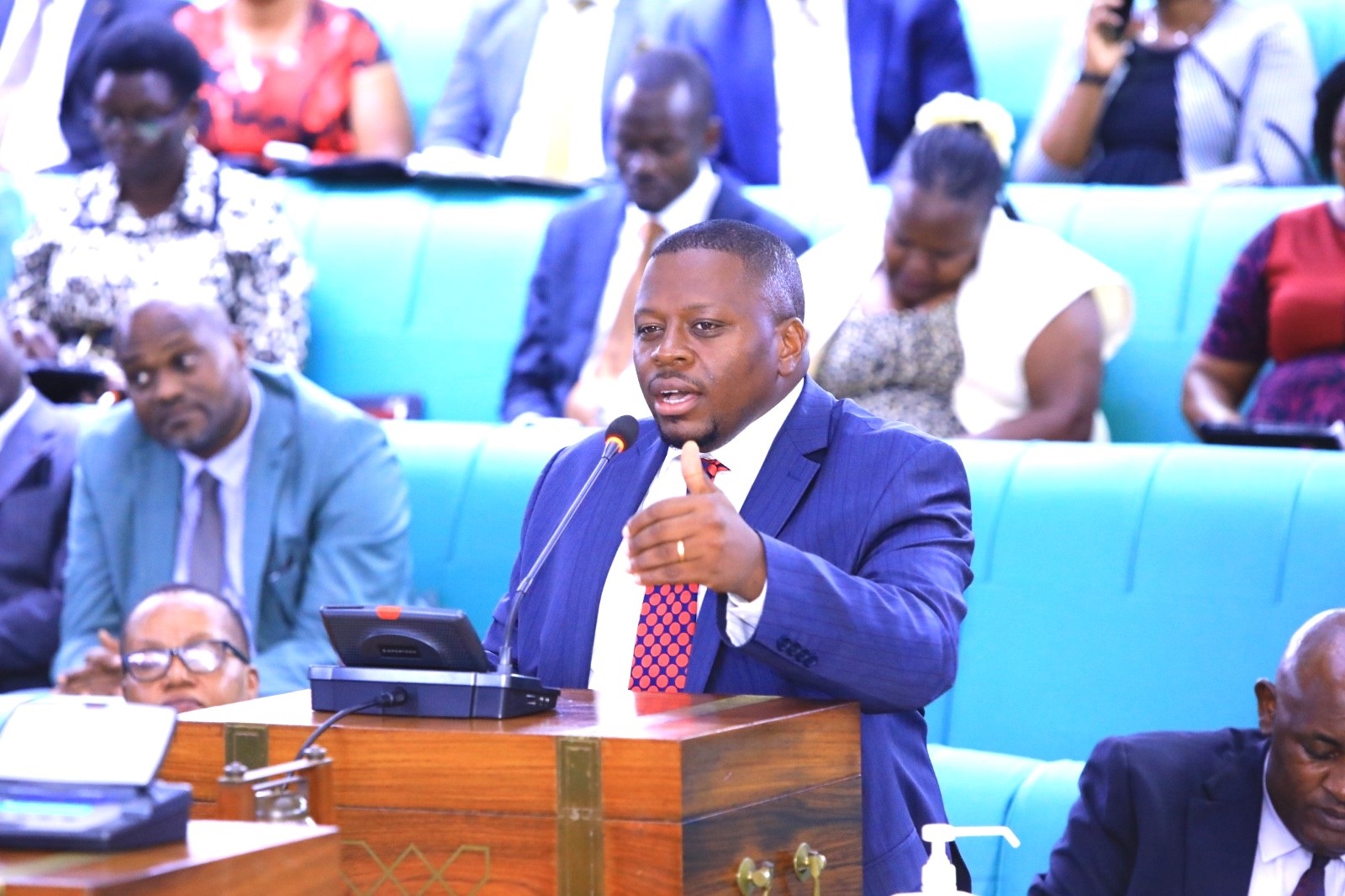
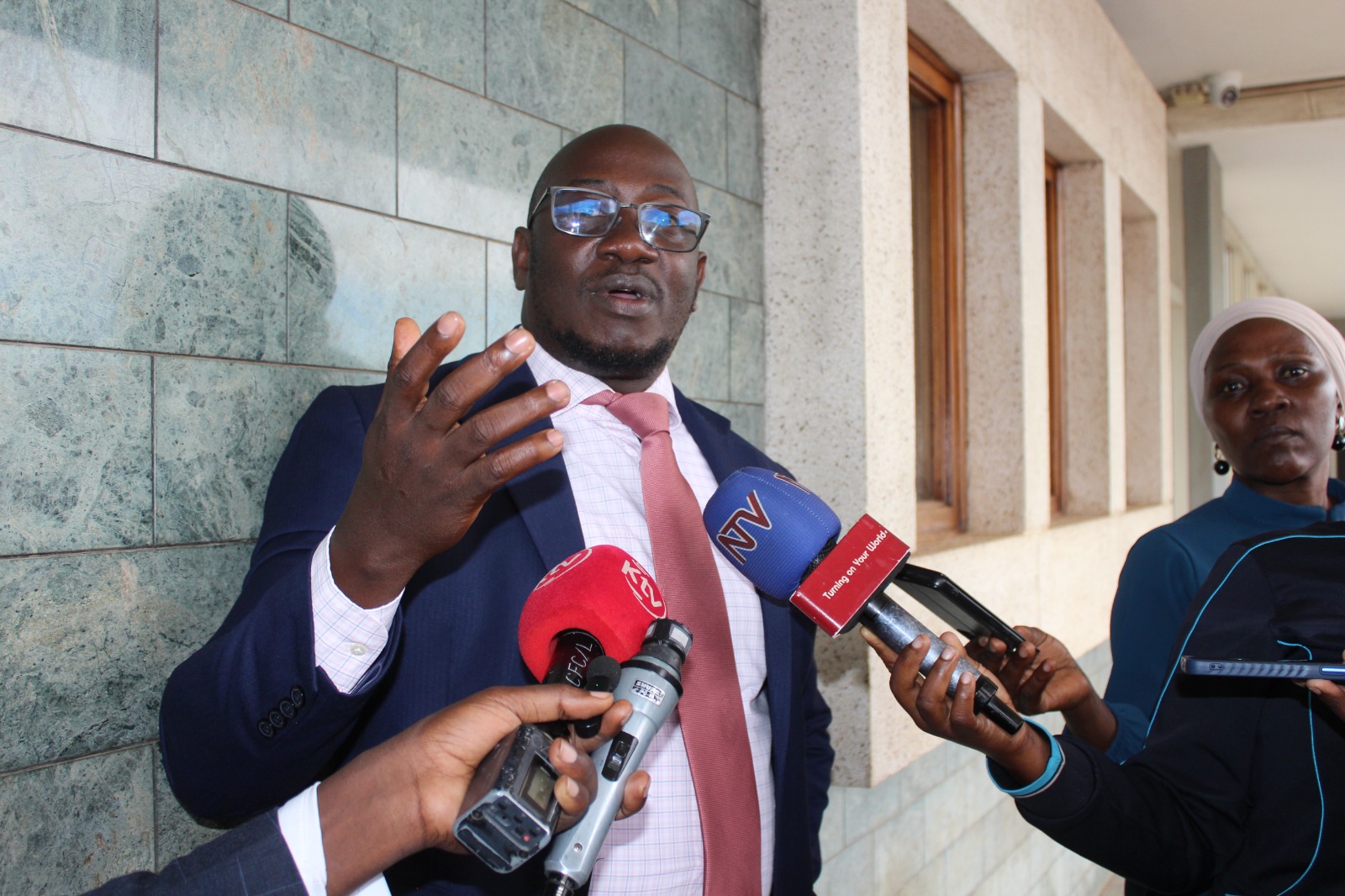
State Minister for Education and Sports Peter Ogwang announced the measures while addressing journalists at Parliament, saying the regulations would apply to both government and privately owned schools.
Ogwang said the government was concerned that some schools had converted ordinary classrooms and other learning spaces into dormitories, exposing children to unsafe living conditions.
“Government is deeply concerned about the safety, health and welfare of every child in Uganda’s schools. Some schools have used learning spaces as dormitories, which is wrong,” Ogwang said.
He explained that any school intending to operate a boarding section must have adequate facilities and personnel and undergo inspection and approval by the Ministry of Education and Sports before admitting boarding learners.
Among the requirements are proper sanitation, emergency and fire-safety arrangements, trained staff, and accommodation buildings specifically designed for residential use.
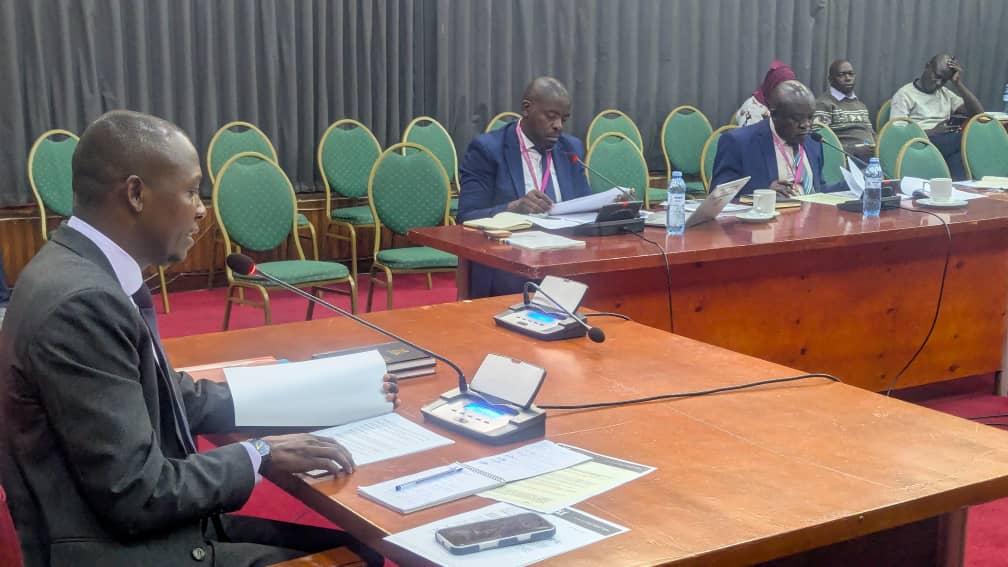
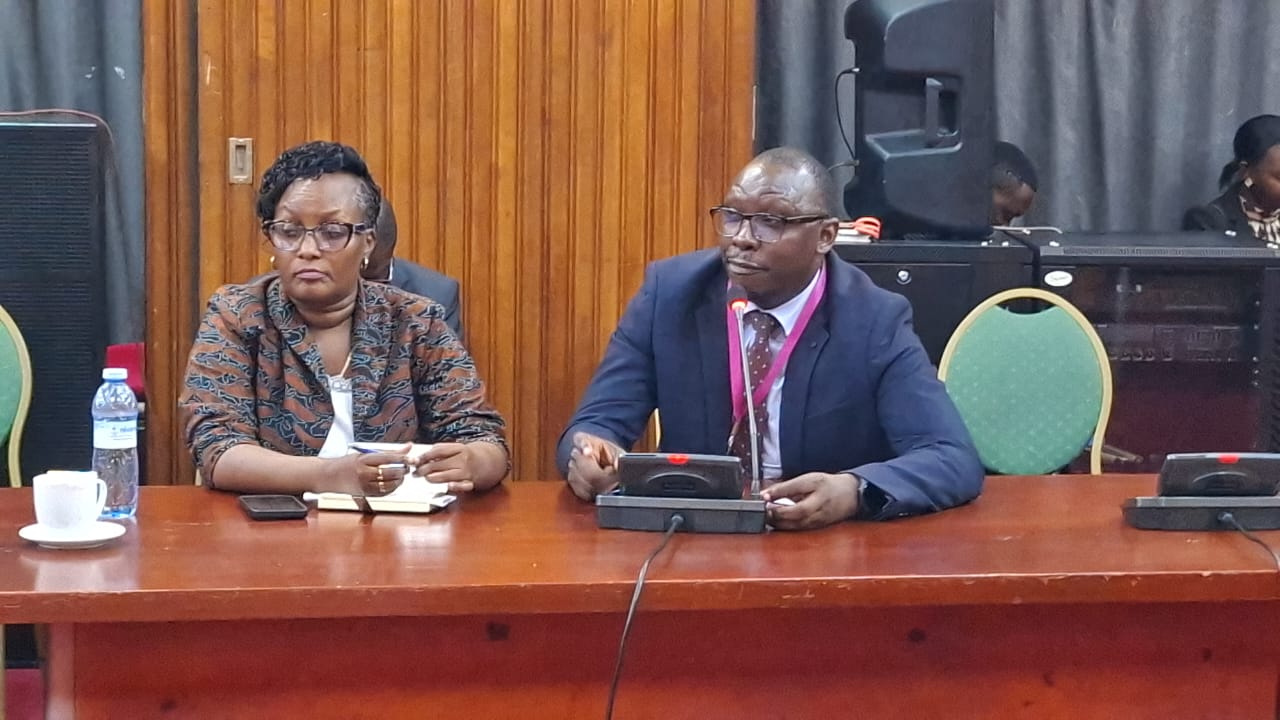
The announcement, however, attracted mixed reactions from MPs, with several supporting the need to protect learners but questioning whether the government had provided enough resources for schools to comply.
Jackie Muganda Kyogabirwe, the Kyegegwa Woman MP, welcomed the guidelines but warned that many schools, particularly in rural areas, lacked the buildings and trained staff needed to meet the new standards.
She said only eight of the 19 sub-counties in Kyegegwa had seed secondary schools, leaving many learners with long distances to travel to access education.
Gonzaga Sewungu, the Kalungu West MP, blamed some parents for sending very young children to boarding schools, saying some were more interested in pursuing their commercial activities than considering the needs of their children.
He argued that children of parents who work long hours should not automatically be sent to boarding schools when other arrangements could be made.
Ivan Kyeyune, the Nakasongola County MP, questioned the government’s handling of the education sector, saying the new regulations appeared to acknowledge the failure of education inspectors to enforce existing standards.
He said some learners could not perform well academically because they lacked access to school meals and had to walk long distances to reach school.
Kyeyune cited a sub-county covering about 30 square miles where learners had to walk up to 12 kilometres to reach the only seed secondary school.
Wakiso Woman MP Betty Ethel Naluyima also supported the guidelines but called on the government to consider the differences between urban and rural schools before enforcing them.
She said communities such as Bussi Islands, Makindye-Ssabagabo, Nansana, Kira Municipality and Entebbe had different infrastructure needs and could not be expected to meet the same requirements at the same pace.
Francis Akokirin, the Kapelebyong MP, welcomed the proposed regulations, saying they should also address the needs of learners with disabilities.
He called for schools to provide inclusive facilities that accommodate children with different needs while taking into account cultural differences and the privacy of adolescents.
Siraje Ozama, the Aringa County MP, argued that government should first provide the necessary facilities before imposing additional requirements on schools, particularly because parents contribute significantly to the running of many institutions.
Naome Kabasharira questioned whether the proposed requirements were realistic for the majority of schools across the country.
She called for an assessment of UPE and USE schools to establish whether government funding, teacher accommodation, sanitation and safety facilities were adequate before introducing additional obligations.
Geofrey Ocen, the Kioga North MP, said the minister’s statement did not adequately address the challenges facing boarding schools in rural communities.
He called for separate guidelines for rural and urban schools, arguing that the two categories operate under different circumstances and should not necessarily be subjected to identical infrastructure requirements.
Ocen also proposed that the responsibility for approving boarding sections be decentralised to district authorities instead of leaving the entire process in the hands of the Ministry of Education and Sports.
He questioned the government’s approach, arguing that it was demanding high standards from schools, yet some government-owned institutions also struggled with infrastructure and academic performance.