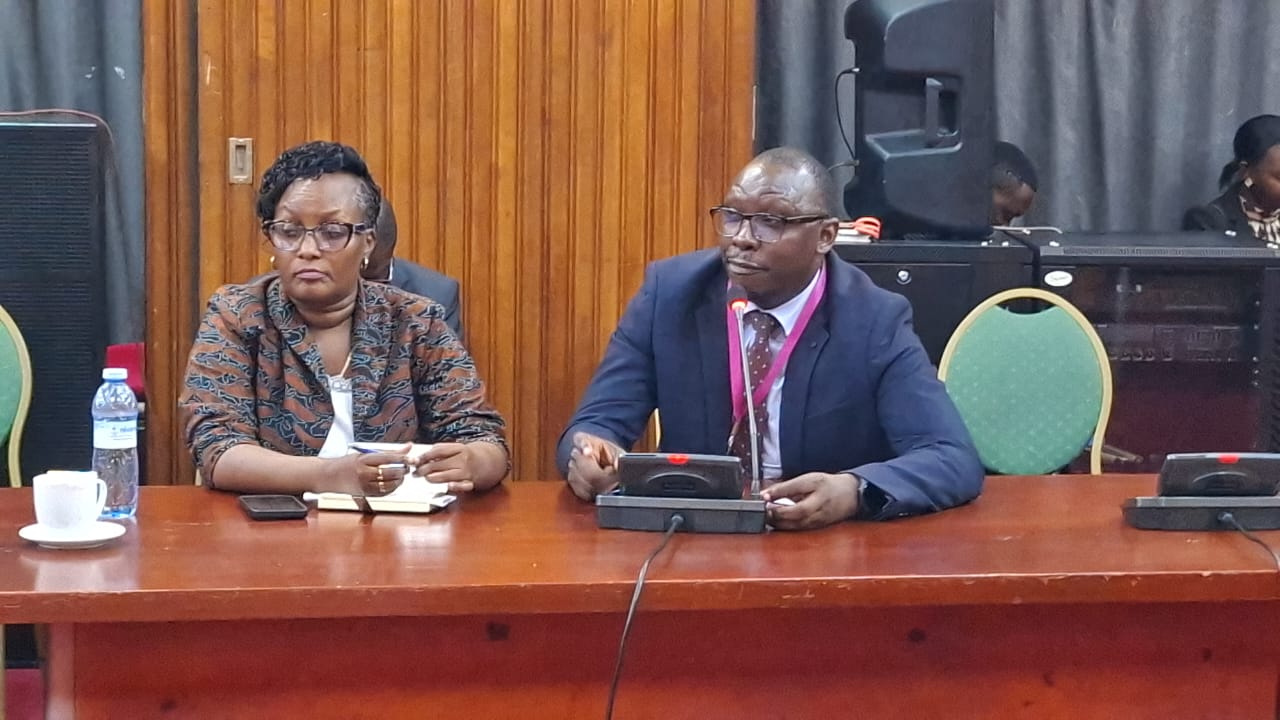
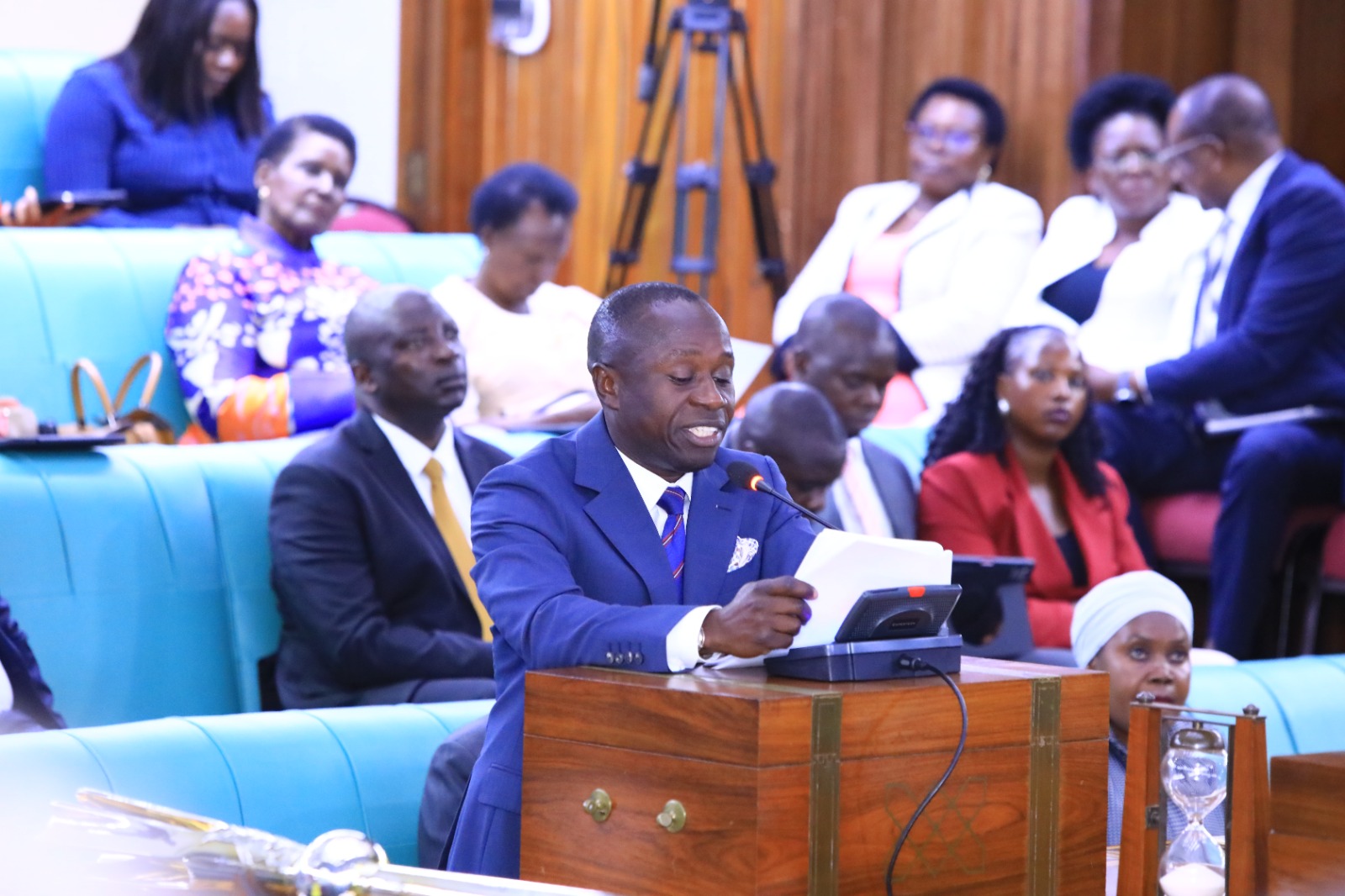
The government has dismissed claims that the pharmacy degree programme at Mbarara University of Science and Technology (MUST) has been scrapped, saying its accreditation remains valid until 2036.
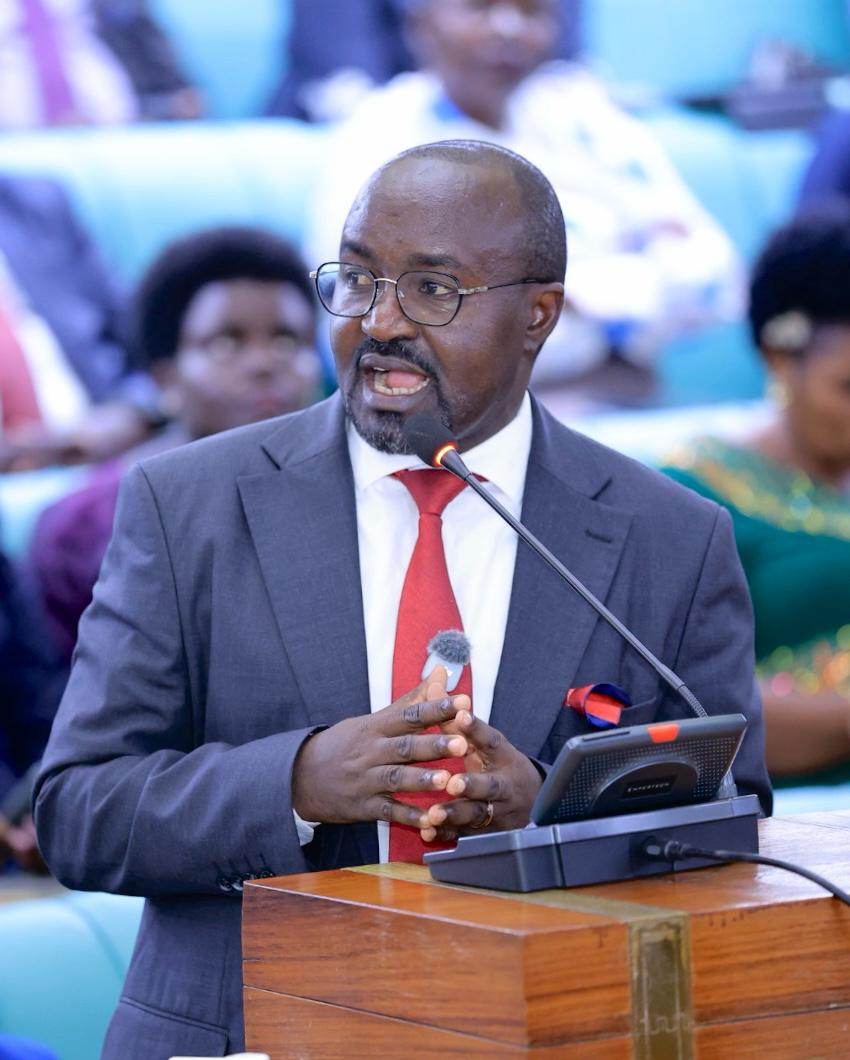
State Minister for Education and Sports Peter Ogwang told Parliament that the National Council for Higher Education (NCHE), not the Pharmaceutical Society of Uganda (PSU), has the legal mandate to accredit and monitor university academic programmes.
Ogwang was responding to concerns raised by the professional body over the pharmacy programme, reportedly citing inadequate staffing and supervision of students.
“I want to inform the country that the issues raised by the Pharmaceutical Society of Uganda regarding the scrapping of the pharmacy degree at MUST are false,” Ogwang told MPs during a plenary sitting.
He said the accreditation granted to the programme remained in force and argued that the professional body could not independently cancel it.
The minister said the NCHE Act gives the council authority to accredit higher education programmes, while noting that previous accreditation exercises had involved consultations with the pharmaceutical society.
Ogwang also questioned the circumstances surrounding the notice on the programme, saying Dr Lupot, whom he identified as its author, had previously monitored the pharmacy department at MUST.
He maintained that the university was willing to work with both the NCHE and the pharmaceutical society to address concerns about training standards.
Shadow minister for Education and Kigulu South MP Andrew Kaluya urged the government to resolve such disputes, saying similar disagreements had affected students at Kyambogo University.
Kole North MP Samuel Opio welcomed Uganda’s international reputation for producing pharmacists but said staffing challenges needed urgent attention.
He said some experienced pharmacists had been frustrated by delayed promotions, with others leaving public universities for private practice. This, he argued, had weakened the capacity of universities to train students.
Opio cited Prof Ogwang, associated with the development of COVIDEX, as an example of Uganda’s pharmaceutical expertise.
Deputy Speaker Thomas Tayebwa, who chaired the sitting, directed the Education ministry to coordinate with the NCHE and address the concerns affecting students.
Ntwetwe MP Edward Kikabi said the concerns raised by the pharmaceutical society deserved consideration and expressed hope that the minister’s report would help resolve the dispute.
Opposition chief whip Paul Mwiru called for the Law Reform Commission to examine gaps in the law, while Kitgum FDC MP Dennis Oneka urged the minister to investigate possible internal disagreements at the university.
Oyam North MP Eunice Otuko said similar decisions to discontinue academic programmes had affected students elsewhere, citing food science and technology at Makerere University. She said a relative had lost an opportunity to pursue a master’s degree in Poland after the course was discontinued.
Other MPs, including Rubanda County MP Bruce Balaba, Kibaale MP Culthbert Abigaba and Nebbi Independent MP Emmanuel Ongiertho, raised concerns about conflicts between regulators and professional bodies.
Ongiertho, who chairs Parliament’s Committee on Education and Sports, called for urgent intervention to protect students and their parents.
In response, Ogwang assured students that the pharmacy programme at MUST would continue. He said the university had sought clearance from the Ministry of Public Service to recruit additional staff.