
The Minister of State for Agriculture, Desire Muhooza, has pledged government support for the proposed National Tea Bill, which seeks to establish a legal framework to regulate Uganda’s tea industry, improve quality and increase earnings for farmers.
Muhooza, who is also the Kiboga Woman MP, told Parliament that the Ministry of Agriculture was ready to work with legislators and other stakeholders to address challenges affecting the tea subsector.
She made the commitment after Igara West MP Cohen Amanya sought Parliament’s permission to introduce the private member’s Bill.
“I want to assure the House that our ministry will support the efforts of these members to regulate the tea sector. We have also been engaging key players despite the existing gaps, but we shall work together,” Muhooza said.
Amanya said the proposed legislation would transform Uganda’s tea industry by improving regulation, attracting more foreign exchange and creating employment opportunities.
He argued that although Uganda produces significant quantities of tea, farmers and other players in the value chain continue to earn less than they should because of weak regulation, poor quality standards and limited value addition.
Amanya particularly expressed concern about Uganda’s dependence on the Mombasa Tea Auction in Kenya, where about 90 per cent of the country’s tea is sold.
He said the absence of a strong domestic marketing system and limited processing capacity had made it difficult for Uganda to secure better markets and obtain competitive prices for its tea.
The legislator argued that the proposed law would improve market access, strengthen the work of agricultural extension workers and encourage investment in processing and value addition.
He said Uganda earned about $54 million from tea exports in 2024, but the country could increase its earnings significantly if farmers and processors improved the quality of tea.
According to Amanya, better regulation and improved production practices could raise annual earnings to about $120 million.
Buhweju West MP Johnbosco Koy Kariisa also supported the proposal, saying tea remains an important source of income for households in his constituency.
Kariisa told Parliament that tea earnings continue to support the education of many children in Buhweju, with farmers relying on proceeds from the crop to pay school fees.
Mwenge Central MP Methuselah Kasukaali, who is both a tea farmer and processor, also backed the proposed legislation, saying poor-quality tea had continued to undermine the earnings of Ugandan farmers.
Kasukaali argued that the regulations must be carefully designed to address problems across the entire production chain rather than simply introduce additional administrative requirements.
He said Uganda had failed to significantly increase its tea export earnings despite the sector’s potential, largely because of poor farming practices and inconsistent quality.
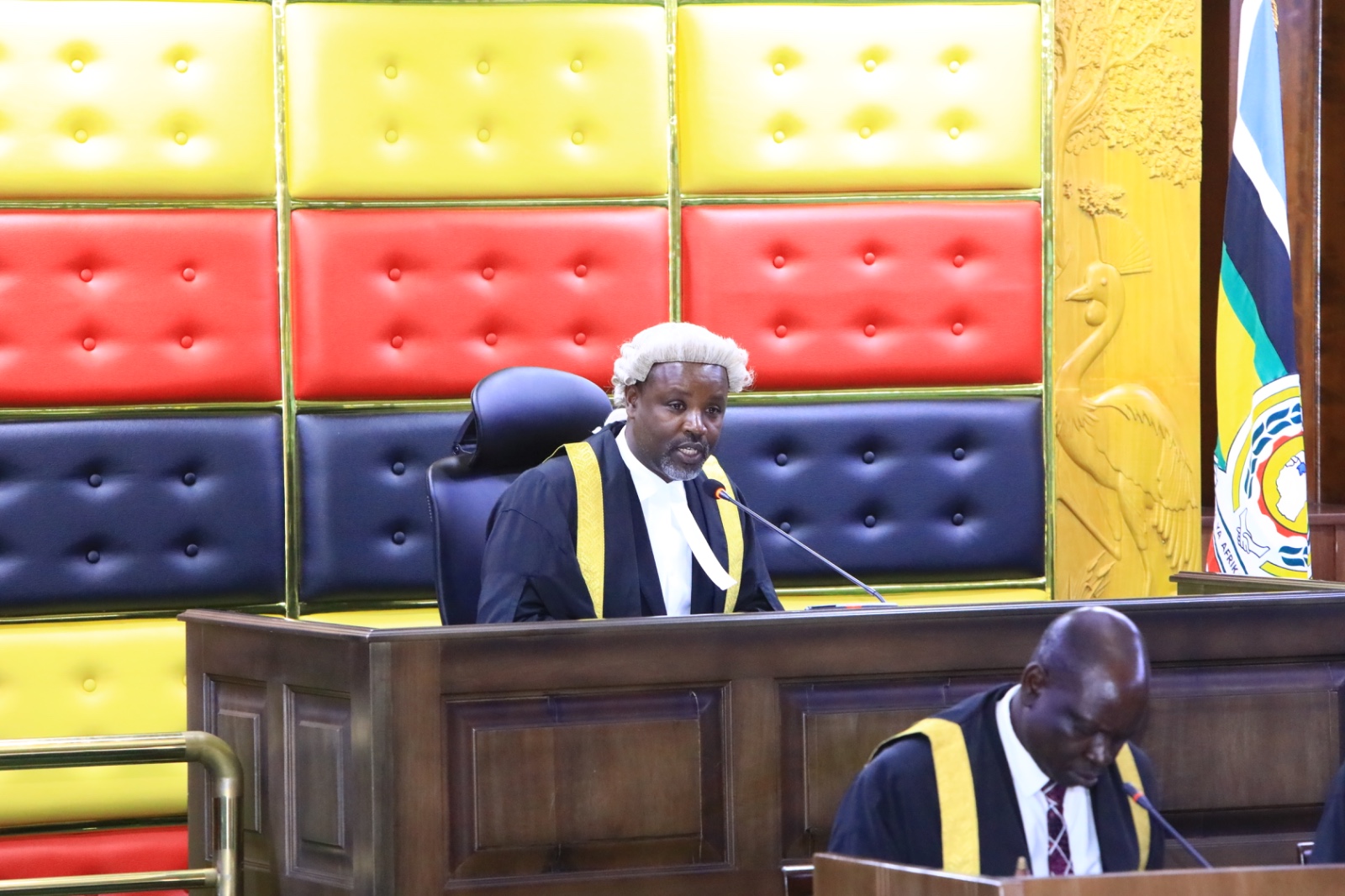
Deputy Speaker Thomas Tayebwa welcomed the support the proposal received from legislators and allowed Amanya to proceed with further consultations with the Ministry of Agriculture and other players in the tea industry.
Parliament’s approval at this stage gives Amanya permission to develop and introduce the proposed legislation. The Bill will still have to go through the required parliamentary stages before it can become law.