Legilsators have questioned Kyambogo University’s failure to invest adequately in research, raising concerns about whether the institution can produce meaningful innovations despite receiving public funding.
The MPs, sitting on the Public Accounts Committee (Central Government), also accused the university of financial mismanagement, poor accountability, procurement irregularities and making expenditure commitments without the required approvals.
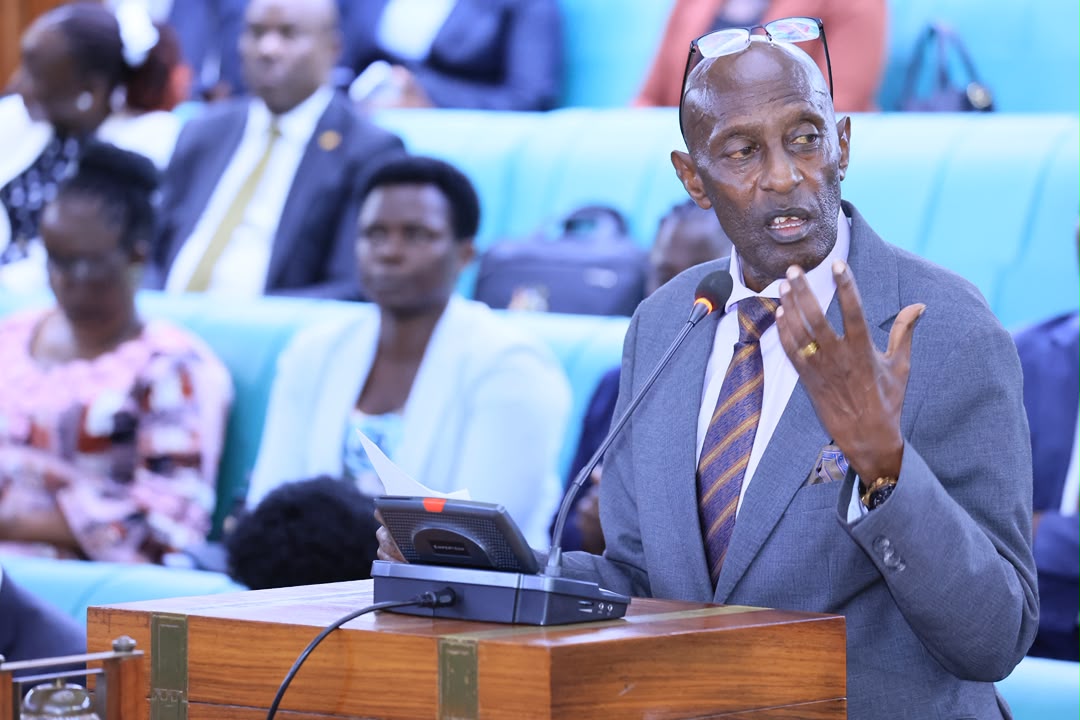
Committee chairperson Patrick Nsamba Oshabe, who is also the Kassanda North MP, said the university lacked clear research plans that could help it attract more funding from the Government and other sources.
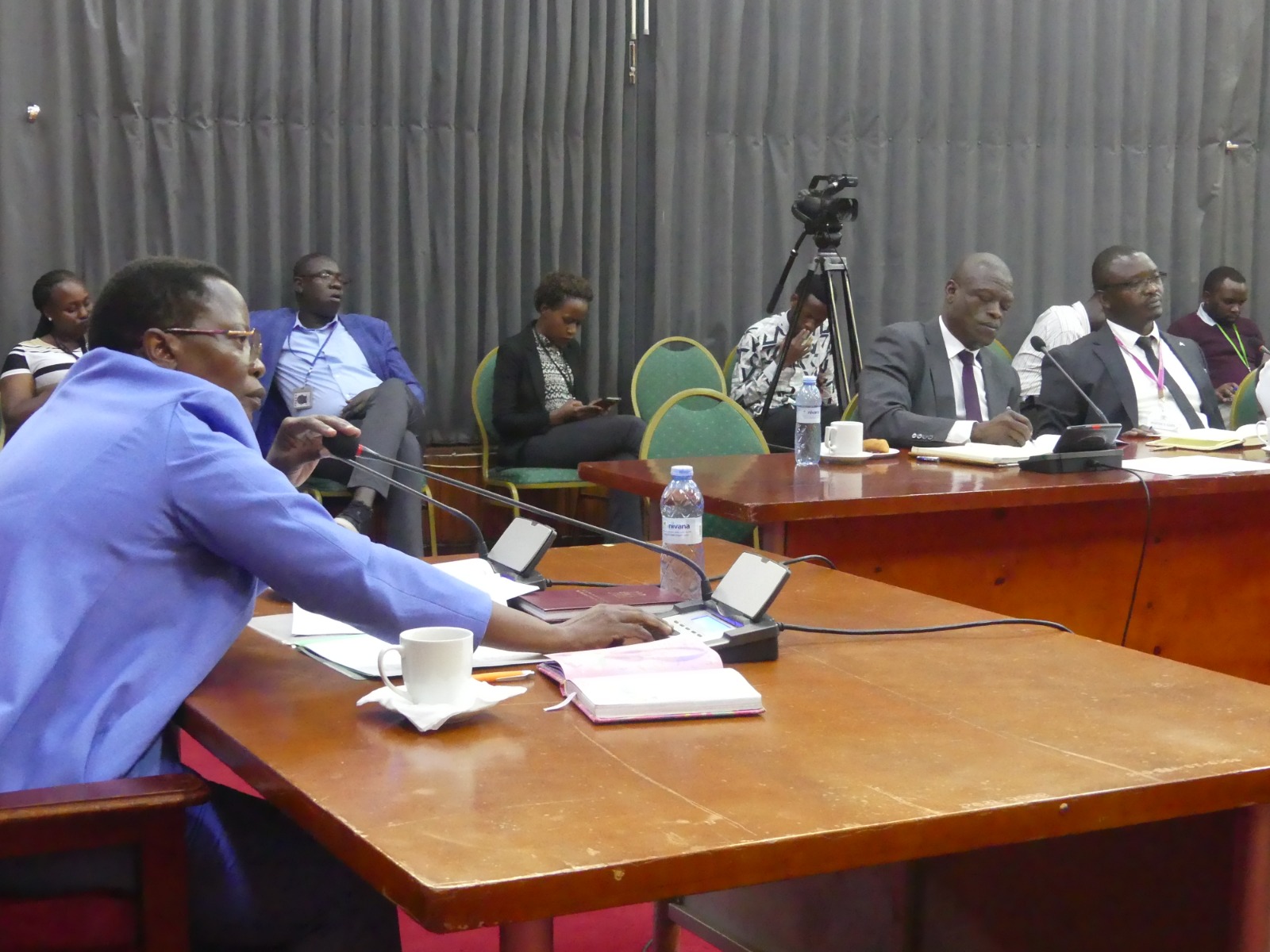
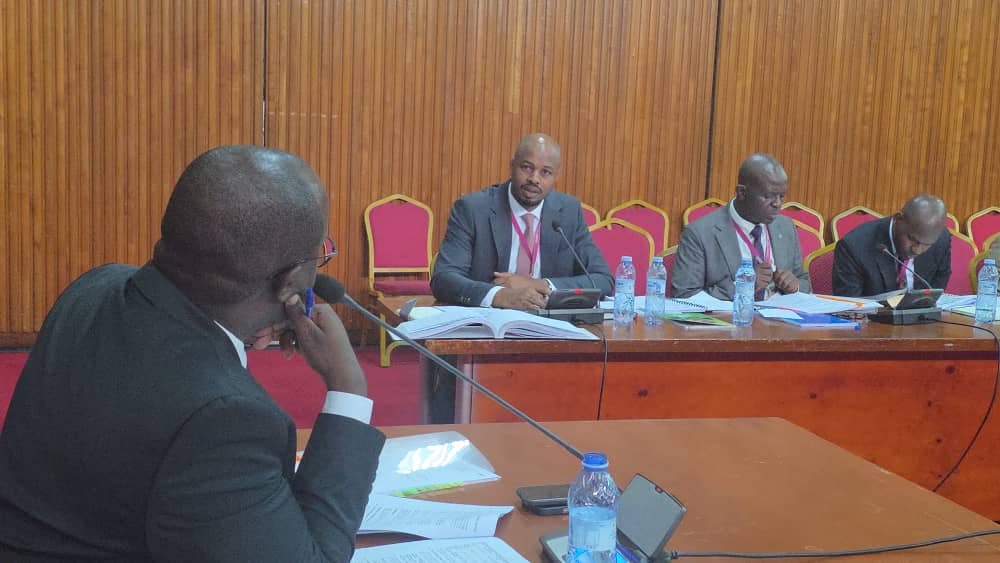
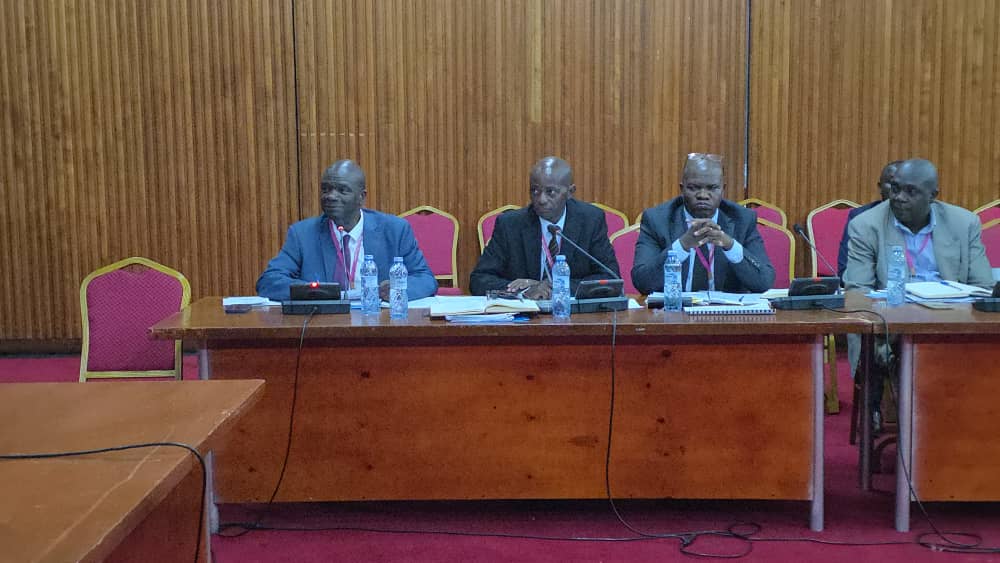
Nsamba made the remarks when university officials, led by Deputy Vice-Chancellor Assoc Prof Justus Kwetegyeka, appeared before the committee at Parliament to respond to queries raised in the Auditor General’s report for the 2024/2025 financial year.
“It is disappointing that the university lacks research plans. I believe that if you had better plans, you would receive even more than Shs1 billion from the Government and other sources,” Nsamba said.
His concerns followed questions from Benjamin Cadet, the Bunyaruguru County MP, who said only 70 out of the university’s 418 academic staff, including professors and associate professors, were engaged in research.
Cadet questioned why the remaining lecturers and their assistants were not participating in research, wondering whether students were getting value for money and the expected knowledge from the institution.
He also raised concerns about more than 76 printing machines that had remained idle, according to the Auditor General’s report.
On the procurement of asbestos disposal services, Cadet accused the university of restricting competition by splitting the procurement into smaller contracts, contrary to procurement requirements.
Anthony Tumwesigye, the Isingiro South MP, said contractors should have been prequalified to undertake such sensitive work unless there were exceptional circumstances.
Ferigo Kampare, the Kasese Municipality MP, questioned the university’s financial statements, saying officials had presented figures they could not adequately explain.
He demanded explanations about outstanding prepayments, the failure to disclose expenditure on property, plant and equipment (PPE), and the alleged diversion of Shs4.6 billion. He also questioned who had authorised the expenditure.
Nsamba criticised the university’s accounting officer for making financial decisions that he said amounted to taking over Parliament’s mandate to appropriate public funds.
“Kyambogo University looks to be operating in another world,” Nsamba said.
Moses Kahima, the Ruhama East MP, questioned the accumulation of domestic arrears and asked management how it intended to clear the outstanding obligations.
He said unbudgeted commitments had increased from Shs149 million to Shs4.4 billion, questioning why the university had continued making financial commitments beyond its approved budget.
Nsamba initially commended the university for complying with Section 39 of the Public Finance Management Act but later withdrew his praise, explaining that the provision specifically addresses the implementation of parliamentary recommendations.
He accused management of spending public money without seeking the necessary approvals from the Ministry of Finance and Parliament.
“If you want to be in the House, go out and contest in an election so that people can vote for you,” he told the officials.
Gilbert Olanya, the Kilak County MP, questioned weaknesses in the university’s student enrolment system. Nsamba, however, raised concerns about a possible conflict of interest, noting that Oulany had obtained his doctorate from the institution.
Betty Ethel Naluyima, the Wakiso District Woman MP, meanwhile, raised concerns about the safety of female students living around the university, particularly in Banda.
In response, Kwetegyeka acknowledged that the audit queries were lessons for the institution and said management was ready to change its approach.
He thanked Parliament for allocating Shs1 billion towards research, saying the money would support students undertaking research programmes.
On the idle machinery, the university officials said the printery was now operational and producing calendars and examination booklets, which would save the institution about Shs100 million in outsourced printing costs.
On the unbudgeted commitments, management explained that some obligations related to employee benefits, including wages, National Social Security Fund contributions, part-time staff allowances and gratuity for retired employees.
The officials admitted that they had not obtained the required authorisation from the Minister of Finance and Parliament before making some of the commitments. They blamed inadequate budgeting for the accumulation of domestic arrears.
Nsamba directed the committee auditor to examine the documents submitted by the university and prepare an assessment, describing Kyambogo as the worst-performing university in the accountability matters under review.