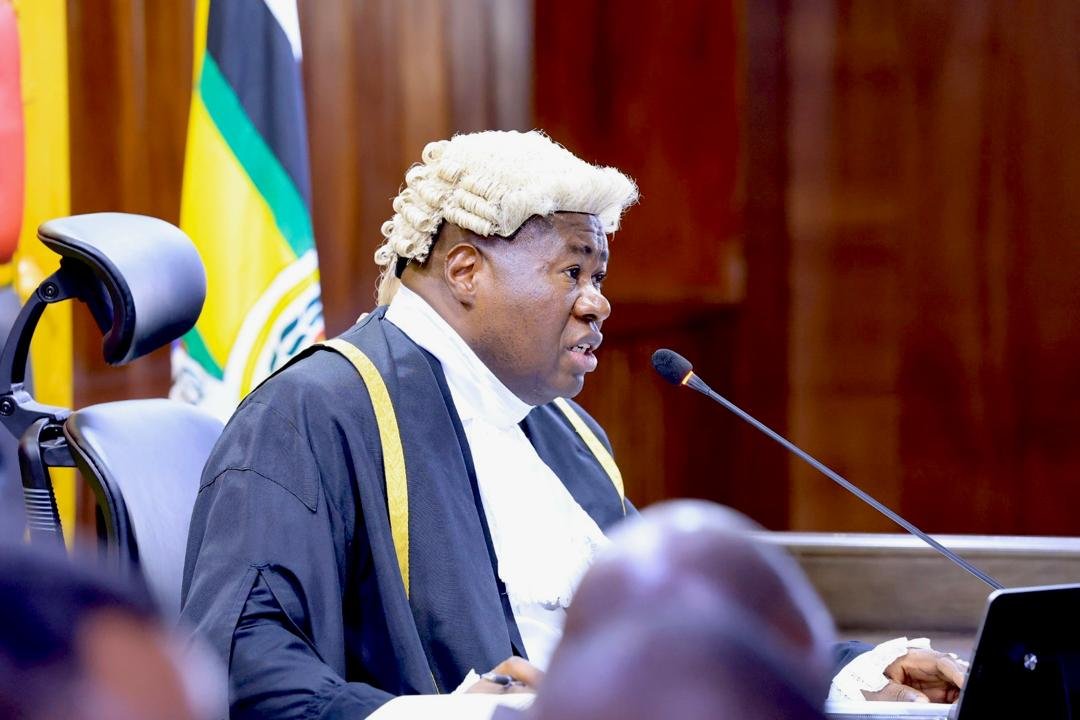
Speaker Jacob Oboth-Oboth has directed the Public Accounts Committee (Local Government) to summon government valuers to explain concerns over the alleged undervaluation of property owned by local governments.
Oboth-Oboth issued the directive during a meeting with district leaders under the Uganda Local Governments Association (ULGA), where lawmakers and local government leaders discussed challenges affecting service delivery and management of public resources.
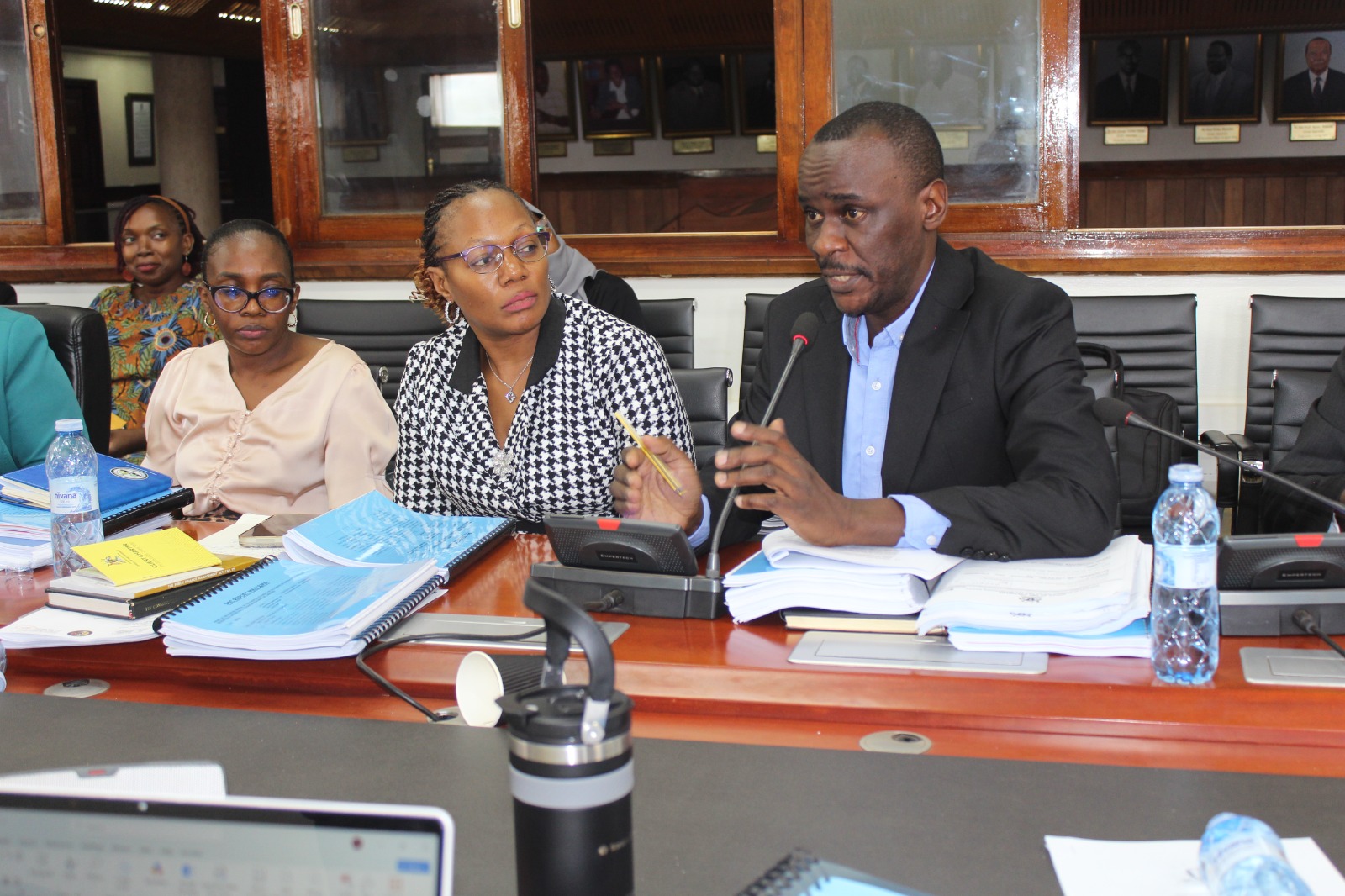
Betty Bakireke Nambooze, chairperson of the Public Accounts Committee (Local Government), raised the issue, telling the Speaker that some district leaders could be deliberately undervaluing public property.
Nambooze said the practice could lead to losses when government assets are eventually disposed of.
“Hon Speaker, I have found out that district leadership undervalues property to aid corruption. At buying time, they hike the prices so high, yet at disposal time, they undervalue it,” Nambooze said.
Her remarks prompted concern over the role of government valuers in determining the value of district property before it is sold.
The LCV chairman of Kaliro, Elijjah Kagoda Dhikusooka, however, disputed the suggestion that district leaders were solely responsible for the valuations.
“Mr Speaker, we cannot sell without the government valuer. It is after they have valued that we sell,” Kalooli said.
In response, Oboth-Oboth directed Nambooze’s committee to summon the government valuers and question them about the valuations.
“Chair PAC, summon these people and ask them why they do this. Please do it,” Oboth-Oboth directed.
The concerns come amid wider scrutiny of how local governments manage and dispose of public assets.
PAC (Local Government) has recently questioned the valuation and disposal of assets in Luweero District while examining the Auditor General’s report for the 2024/25 financial year.
The committee questioned, among other issues, the reported values of district land and other assets.
The speaker also raised concerns about vacancies in District Service Commissions, saying the commissions must be filled so that local governments can recruit staff and deliver services effectively.
Nambooze told the meeting that many district service commissions were not fully constituted, which she said was affecting the ability of local governments to fill vacant positions.
She also alleged that some commission chairpersons were appointing relatives, further affecting recruitment at district level.
“Most of the district service commissions are unfilled, and it is because the chairpersons choose their relatives, and it is hindering work,” Nambooze said.
Oboth-Oboth urged district leaders to ensure that the commissions are filled, but cautioned them against favouritism and nepotism in recruitment.
“Fill these commissions, but you should stop recruiting your relatives. Even in such circumstances, recruit the qualified,” the Speaker said.
The Speaker assured local government leaders that Parliament would continue supporting them in addressing challenges affecting service delivery.
ULGA is the national association of districts and lower local governments in Uganda. It was established in 1994 to unite local governments and strengthen their capacity to deliver services to citizens.