MPs have raised concerns over the management and recovery of funds disbursed under the Youth Livelihood Programme (YLP) and Uganda Women Entrepreneurship Programme (UWEP) in Entebbe Municipal Council.
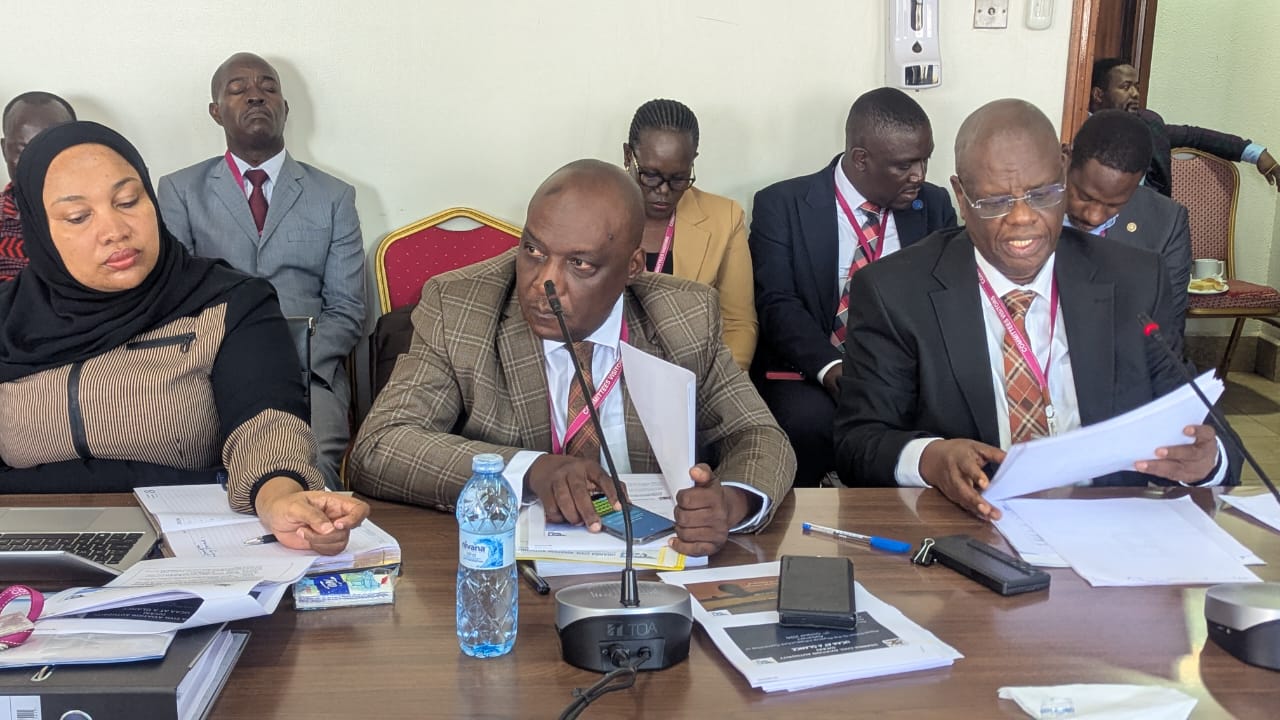
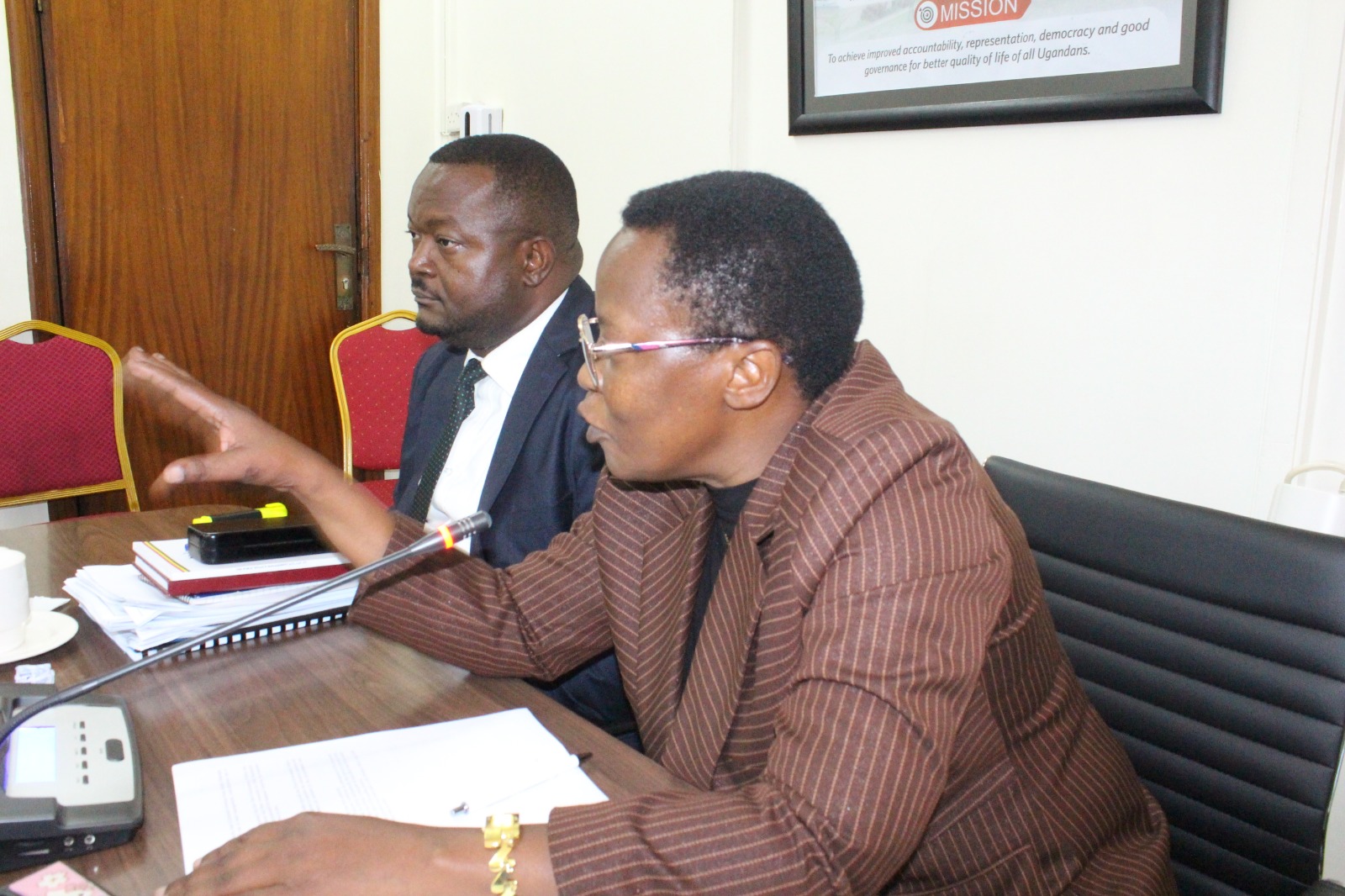
The concerns were raised by the Public Accounts Committee (PAC Local Governments) during an examination of the municipality’s financial management and implementation of government programmes.
Committee chairperson Betty Nambooze said the Auditor General’s report for the financial year 2024/25 had identified long-outstanding balances under the two programmes.
Nambooze said the committee expected municipal officials to strengthen their systems for tracking beneficiaries and recovering public funds.
“We want Entebbe municipal officials to put their house in order because they should remember that Ugandans still need accountability for their taxes,” Nambooze said.
According to the Auditor General’s findings cited by the committee, the municipality’s statement of financial position showed outstanding balances totalling Shs1.29 billion in respect of the YLP and UWEP.
The programmes provide government funding to organised youth and women’s groups to establish income-generating activities and improve household incomes.
However, Emmanuel Mugisha Gacharo, the municipal town clerk, told the committee that recovery of some of the funds had been complicated by the collapse and disappearance of beneficiary groups.
Gacharo explained that some of the groups that had received funding had since disintegrated and could no longer be traced, while some of the enterprises supported through the programmes had also collapsed.
He further said some YLP funds had been disbursed to groups located in administrative areas that were subsequently absorbed into newly created local government votes.
According to Gacharo, the changes in administrative boundaries had made it more difficult for the municipality to trace beneficiaries and enforce recovery of the outstanding funds because responsibility for some areas had shifted.
The Auditor General recommended that the accounting officer develop and implement a coordinated recovery strategy.
The strategy should include updating the beneficiary register to reflect the current administrative boundaries and identifying the groups and individuals responsible for outstanding payments.
The audit report also recommended that the municipality formally engage the newly created local government votes so that responsibility for recovering outstanding funds within their respective jurisdictions can be clarified.
The officials were further advised to strengthen follow-up through local leaders to help trace groups that have disintegrated and support recovery of the funds.
The Auditor General also called on the Ministry of Gender, Labour and Social Development to provide clear guidance on how YLP groups affected by changes in administrative boundaries should be handled.
The guidance, according to the audit findings, would help ensure that responsibility for outstanding funds is not lost when beneficiaries fall under newly created administrative units.
Responding to the committee, Gacharo said the municipal council had already taken steps to recover the money.
He said demand notices had been issued to beneficiaries and that routine monitoring was being carried out to remind them of their obligation to repay the funds.
The committee also questioned the municipality over the growing amount of uncollected revenue.
Deputy committee chairperson Abed Nasser Mudiobole, the MP for Iganga Municipality, said revenue arrears had increased from Shs500 million in the financial year ended 30 June 2024 to Shs1.64 billion in the year ended 30 June 2025.
This represented an increase of Shs1.14 billion in one financial year.
Gacharo told the committee that the municipality had instituted measures to recover the outstanding revenue, but faced staffing challenges.
He said the municipality lacked some key personnel, including enforcement officers and town agents responsible for revenue collection and enforcement.
The committee also examined the municipality’s management of its payroll and its absorption of funds allocated for wages, pensions and gratuity.
Officials were also questioned about the management of Parish Development Model funds and procurement.
The committee was informed that some government institutions, including the National Agricultural Research and Innovation Centre (NAGRIC) and the Ministry of Agriculture, Animal Industry and Fisheries, had outstanding revenue obligations to the municipality.
Gacharo said the municipal council was engaging the affected institutions and taking steps to ensure that the outstanding amounts were paid.
The committee is expected to use the officials’ responses, together with the Auditor General’s findings, in assessing whether the municipality has put in place adequate measures to safeguard public funds and improve revenue collection.