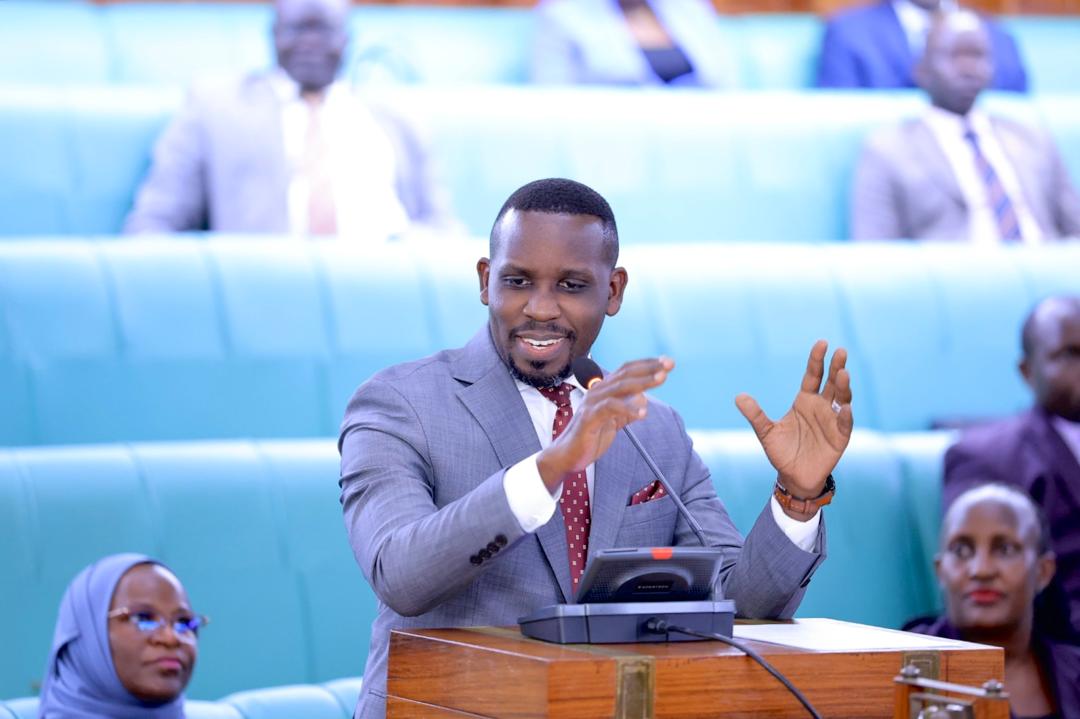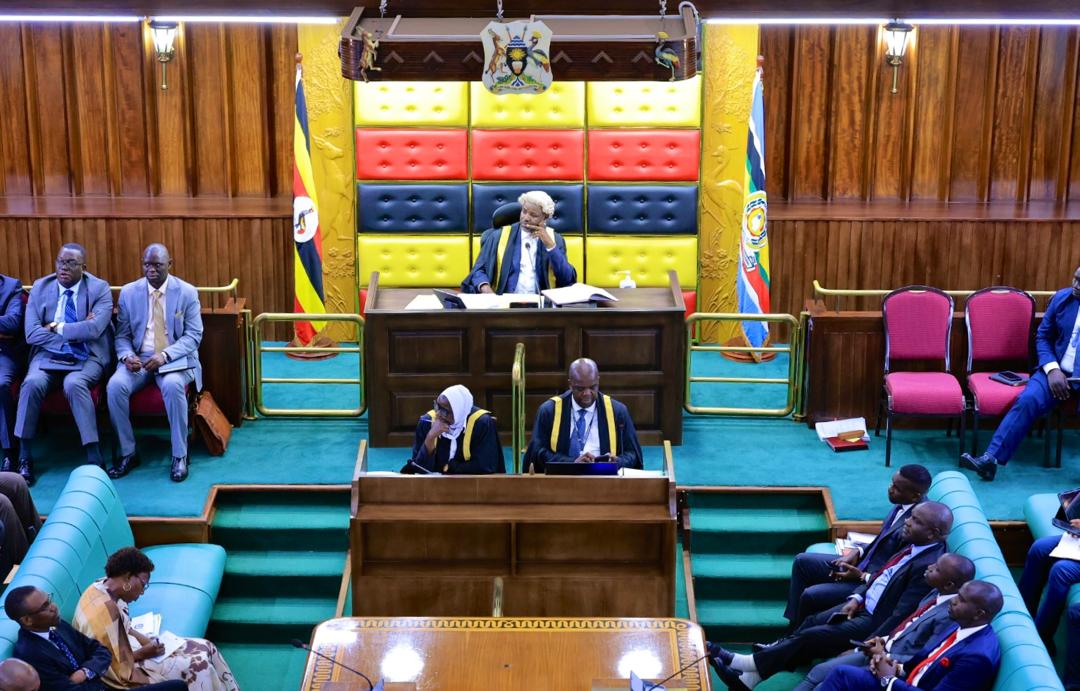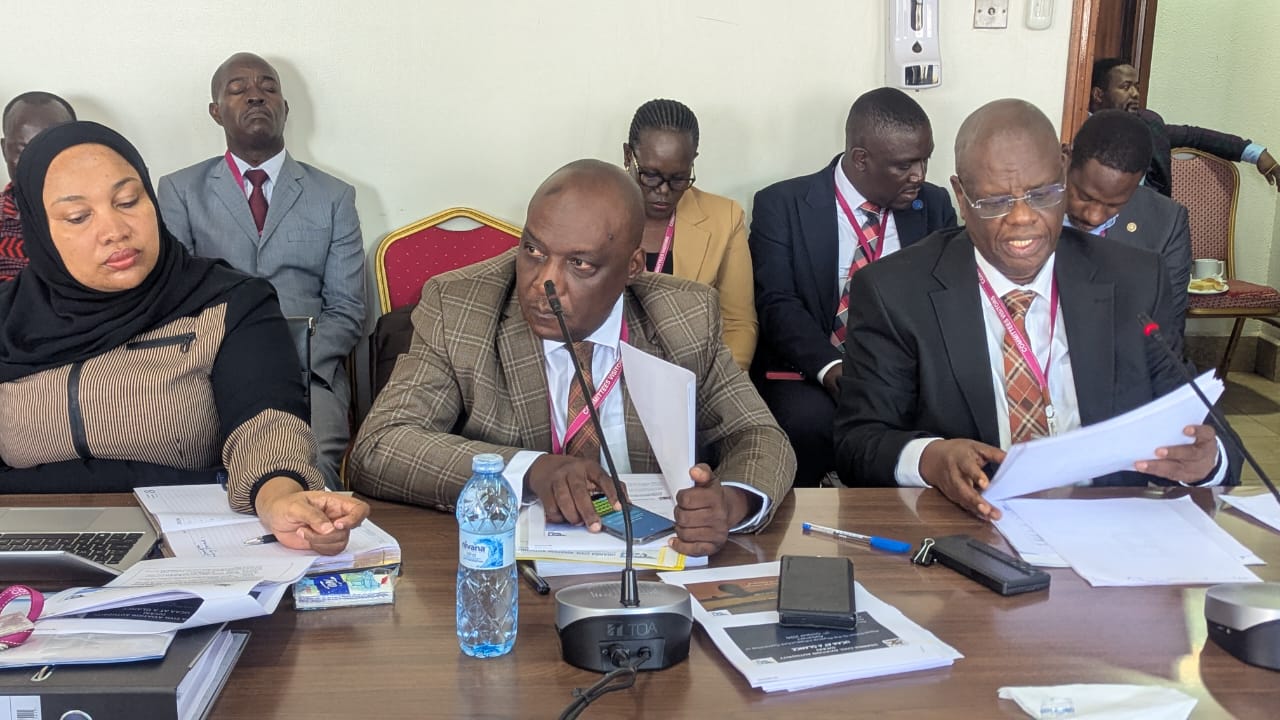
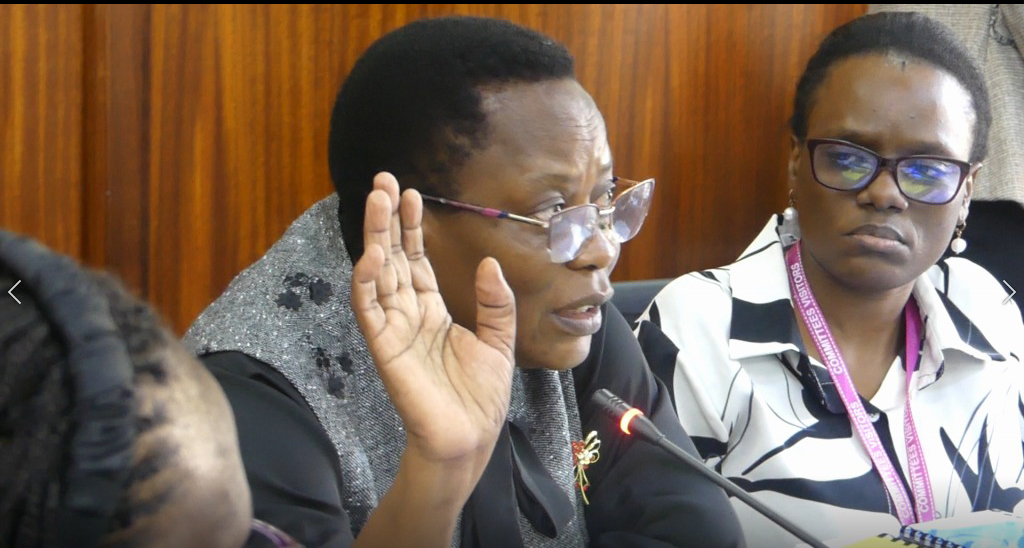
MPs on the Public Accounts Committee (PAC) have questioned Wakiso district officials over the management and recovery of more than Shs3bn disbursed to youth and women, amid concerns that some of the money went to ghost beneficiaries.
The MPs raised the concerns while scrutinising the Auditor General’s report for the financial year 2024/25.
The money was disbursed under the Youth Livelihood Programme (YLP) and the Uganda Women Entrepreneurship Programme (UWEP), which provide government funding to organised youth and women’s groups to support income-generating activities.
The committee heard that some beneficiaries had failed to repay the funds, while in other cases, the identities of the people listed as beneficiaries could not be verified.
The MPs also questioned whether all the money recorded against beneficiaries was actually received by the intended recipients.
During a random verification exercise, PAC chairperson Betty Nambooze contacted some of the people listed in the district records as beneficiaries.
One of those contacted was Richard Kyagulanyi, a Wakiso resident who, according to the records presented to the committee, had received Shs8m.
However, during the telephone call, Kyagulanyi told Nambooze that he had actually received Shs6.5m.
“Hon Nambooze, I can truly tell you that on paper I was told to sign for Shs8m, but in real cash I got only Shs6.5m,” Kyagulanyi said.
His account raised questions among the MPs about the handling of the funds and whether beneficiaries were being made to sign for amounts greater than what they actually received.
Kyagulanyi said he invested the money he received in poultry farming but suffered losses after his birds were affected by disease.
He told the committee that he had managed to repay Shs1.5m to the government. However, records presented by the auditor indicated that only Shs950,000 had been recovered from him.
The committee also contacted other people whose names appeared in the beneficiary records.
In one case, a woman contacted by Nambooze reportedly said she had never lived in Wakiso and did not know what the committee was referring to.
The incident prompted further questions about how beneficiaries were identified and whether district officials had adequately verified the groups and individuals before public funds were disbursed.
Nambooze said the Auditor General’s report had identified long-outstanding balances under the two programmes dating back to 2014.
She said the government needed to establish exactly who received the money and why the outstanding funds had not been recovered.
“I am suggesting that the police take on this matter and find out exactly who received the government funds and failed to repay,” Nambooze said.
The committee said the discrepancies highlighted the need for stronger verification and recovery mechanisms to protect taxpayers’ money.
Zainah Nakubulwa, the community development officer responsible for the programmes, told the committee that some of the transactions under scrutiny had taken place before she assumed her current position.
“Hon members of the committee, some of the questions are beyond my capacity to answer because I am a new government civil servant,” Nakubulwa said.
The Auditor General recommended that the Wakiso district accounting officer develop and implement a coordinated strategy to recover the outstanding funds.
The strategy should include updating the beneficiary register to reflect current administrative boundaries and identifying the groups and individuals responsible for outstanding payments.
The Auditor General also called for measures to strengthen the monitoring and recovery of funds disbursed under the programmes.
The Youth Livelihood Programme and Uganda Women Entrepreneurship Programme were introduced to help young people and women access government financing for income-generating activities and improve household incomes.