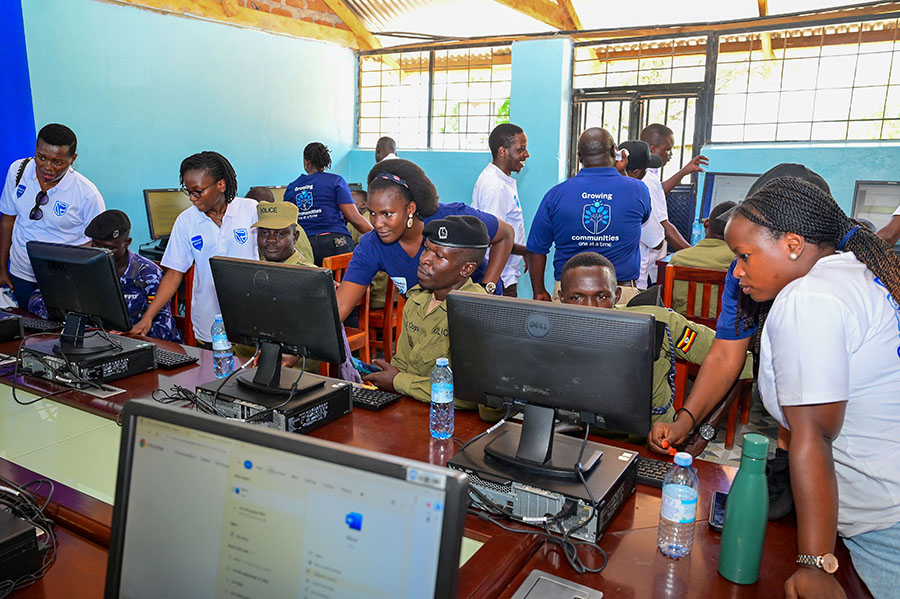
Stanbic Bank Uganda has donated information and communication technology (ICT) equipment worth Shs30 million to Ikafe Police Training School in Yumbe District to strengthen digital skills training for police recruits.
The equipment is expected to help recruits develop skills in using digital systems, managing information and applying technology in policing as security agencies adapt to emerging threats, including cybercrime and cross-border criminal activities.
The donation was made under the bank’s employee-led community initiatives during its Love Month activities, with staff from the Information Technology department contributing funds towards the purchase of the equipment.
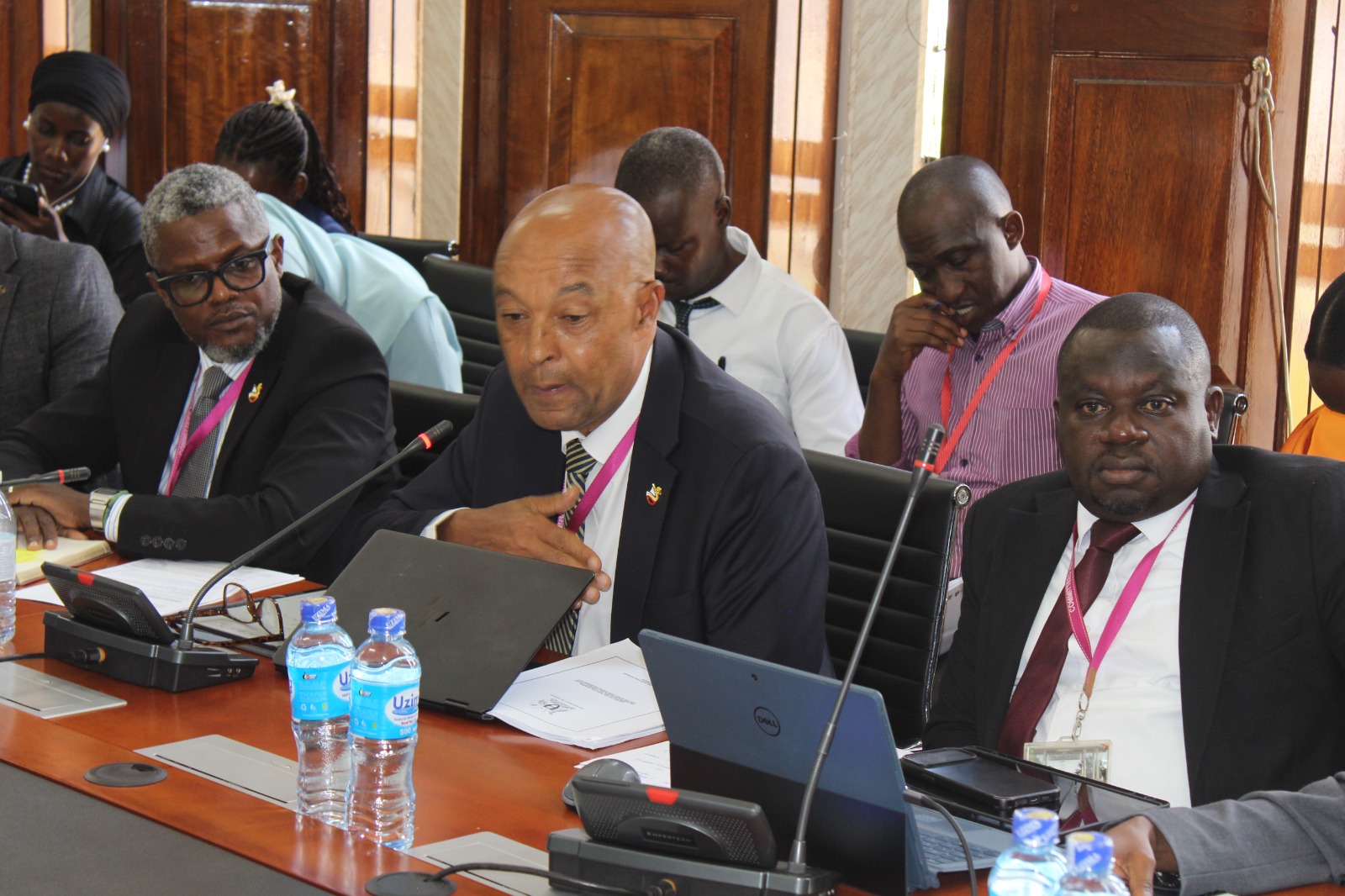
Damoni Kitabire, the chairperson of the board of directors at Stanbic Bank Uganda, said technology had become increasingly important in modern policing, requiring officers to have the necessary digital skills and equipment to respond to changing security challenges.
“Modern policing is increasingly driven by technology. Officers serving in this region require the digital skills and tools needed to respond effectively to today’s evolving security challenges,” Kitabire said.
He said the support was particularly important for Yumbe because of its strategic location along Uganda’s border with South Sudan, where effective policing helps maintain security, facilitate trade and protect economic activity.
Kitabire said the contribution was intended to do more than provide computers and other equipment. It was also aimed at improving the capacity of police officers to use technology in protecting communities.
He added that institutions in remote areas often faced gaps in access to digital infrastructure compared with those in urban centres.
“This contribution reflects our commitment to ensuring that young officers training in West Nile have access to the same opportunities and digital resources as their counterparts elsewhere in the country,” he said.
Senior Superintendent of Police James Okabo Okello, the head of Ikafe Police Training School, welcomed the donation, saying the equipment would help the institution strengthen its training programmes and prepare recruits for modern policing.
Okello said the school had trained more than 1,000 young men and women and currently had more than 150 trainers.
He added that the institution was also developing facilities to support the health and welfare of its trainees and staff.
“The school also has a health centre with medical personnel, a fully fledged laboratory facilitated by National Medical Stores, about five clinical officers and an ambulance. This training school has future prospects beyond what we are seeing today,” Okello said.
He said access to ICT equipment would help the school incorporate modern technology into police training and improve the way officers carry out their duties.
Rita Apell, Stanbic Bank Uganda’s chief information officer, said the donation demonstrated how employees could contribute to community development by working together towards a shared goal.
She said the bank’s IT team had mobilised funds to purchase the equipment as part of its commitment to supporting communities.
“This has been an employee-led initiative, and our IT team came together and contributed funds to procure the equipment. It has truly been about teamwork, and we are very excited about the contribution this initiative will make to the Ikafe community,” Apell said.
The donation forms part of Stanbic Bank Uganda’s wider corporate social investment programme, which places significant emphasis on education and skills development.
The donation comes as Stanbic Bank Uganda marks 35 years of operations in Uganda under Standard Bank Group. The bank says the anniversary provides an opportunity to reflect on its contribution to communities, businesses and public institutions across the country.
Kitabire said partnerships between the private sector and public institutions were important in supporting national development and improving the services available to communities.
“Uganda is our home, we drive her growth,” he said, adding that national development required shared responsibility and cooperation between government institutions and private organisations.