City traders who have kept their shops shut in Kampala for more than two days have taken their complaints to Parliament, saying tax rules and clearance delays are driving them out of business.
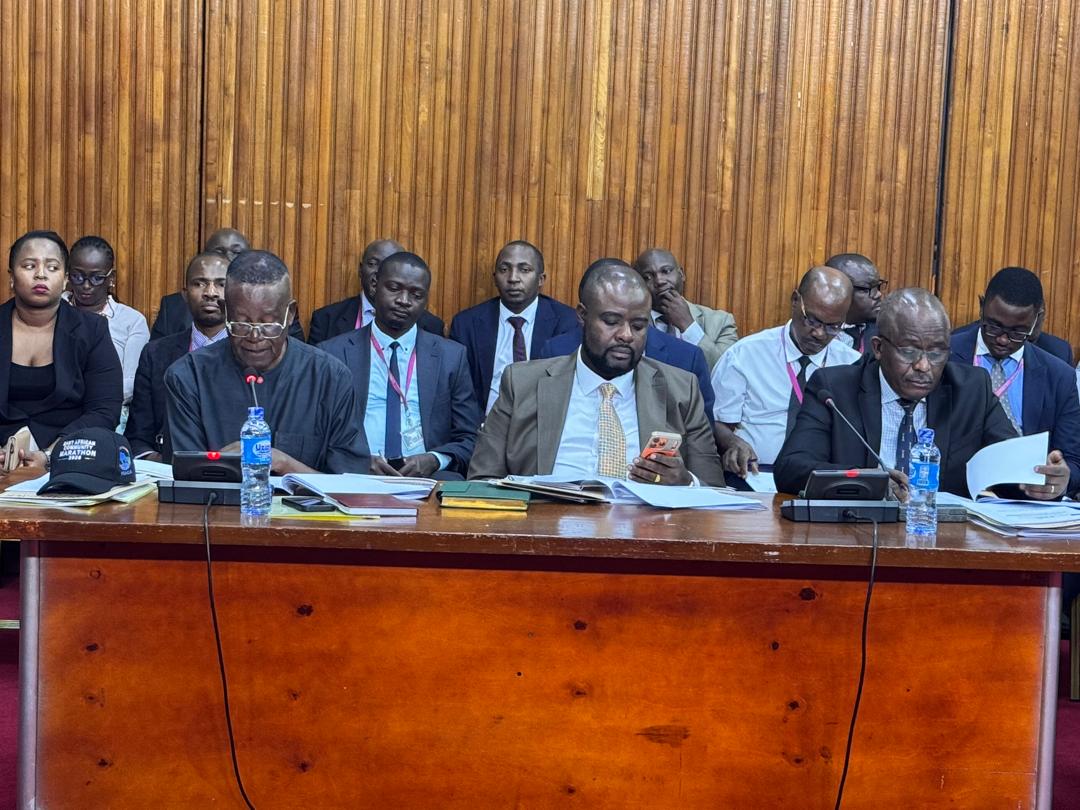
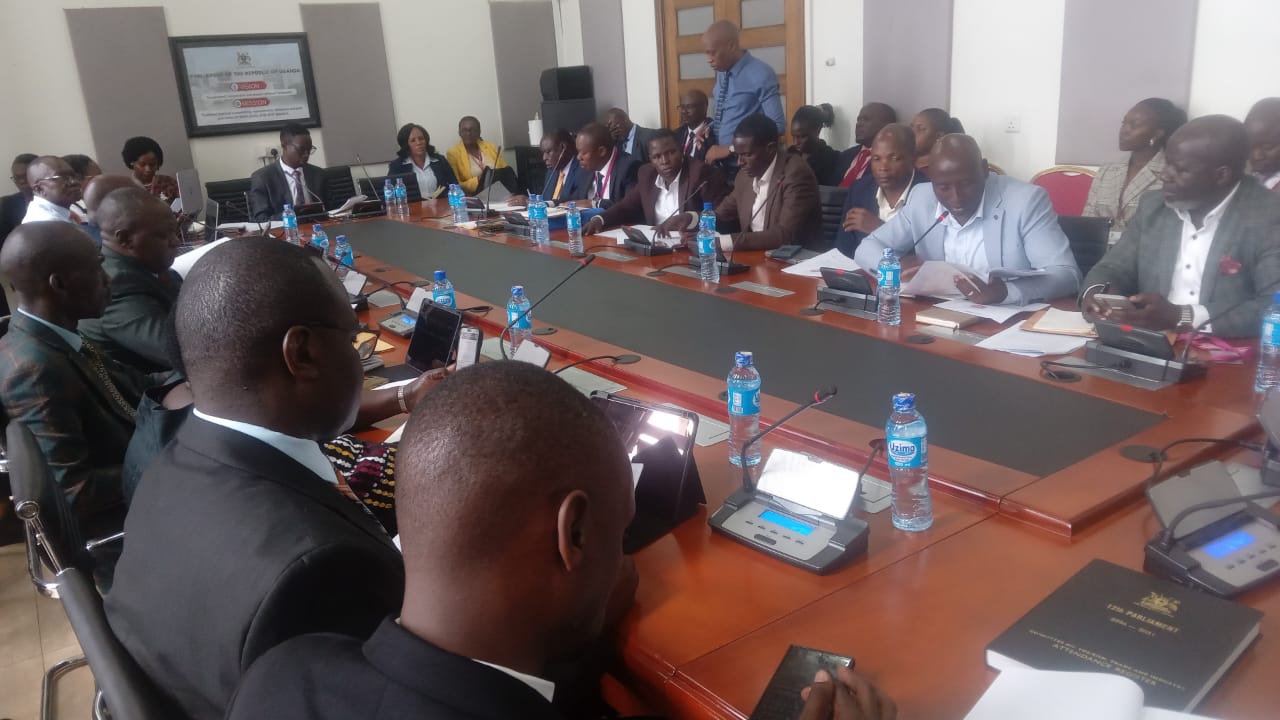
Leaders of the Federation of Uganda Traders Associations (FUTA) appeared before Parliament’s Committee on Tourism, Trade and Industry. The committee is chaired by Boniface Okot, the MP for Kole South.
The traders’ main complaint is the Uganda Revenue Authority’s (URA) practice of taxing imported garments by weight instead of by value.
John Kabanda, the FUTA chairperson, said the system had hit traders hard. He told MPs traders were not against paying tax, but wanted the committee to step in because the rules were pushing many of them out of business.
Under the system, importers pay a fixed amount on each kilogramme of clothes. Traders say it ignores what the goods are actually worth and punishes those who deal in heavier items such as jeans.
Traders also told the committee that clearing goods at customs in Nakawa can take between seven months and a year. They said the delays pile up costs and leave them with heavy losses.
Kabanda said some traders had fallen behind on loan repayments as a result. “Some of us, our properties have been confiscated by banks due to failure to pay the loans,” a trader told the committee.
The traders said they were also troubled by what they called a gap in understanding between traders and the URA over the Electronic Fiscal Receipting and Invoicing Solution (EFRIS), which requires businesses to issue electronic receipts.
Most traders, they said, did not fully understand the system, and they asked for it to be reviewed.
Fear of the kilogramme tax has pushed many importers to change how they bring in goods, the traders said.
They now buy in China, pay for shipping to Kenya, offload there and move the goods to Uganda by bus.
Traders gave the committee a cost comparison. They said a container of garments such as jeans from China to Kenya costs between Shs180m and Shs200m. The same container to Uganda costs between Shs500m and Shs700m, they said.
“Traders are now asking why this is different, yet we are in the East African Community,” Kabanda said.
Uganda and Kenya are both members of the regional bloc, which is meant to ease trade among its partner states.
The traders said URA penalties had become so severe that some shops had been closed and some traders arrested.
They also accused some URA staff of causing extra costs. Traders said that after they clear goods and leave the bonded warehouse, informers tip off other senior officers that a container has not been cleared.
The result, they said, is a fresh bill. “They charge $300 a day, yet you have paid and cleared everything,” Kabanda said. The traders said this added to the expenses of the business community.
They proposed that URA harmonise the work of its agents so that traders deal with one clear set of rules.
FUTA said it had been in talks with the URA since raising its concerns. But traders said that when the commissioner general gave instructions on how matters should be handled, junior managers sometimes ignored them.
FUTA and the Kampala City Traders Association (KACITA) have also met several government officials, including the prime minister.
The dispute is not new. Traders in Kampala closed their shops for four days in April 2024 over taxes and EFRIs. They reopened after meeting President Museveni, whose government suspended Efris penalties.
The latest shutdown began on Tuesday, November 17, after talks between trader representatives and the URA collapsed.
The traders say that besides tax, they are also unhappy about competition from foreign investors, especially Chinese nationals, and rising rents in downtown arcades.