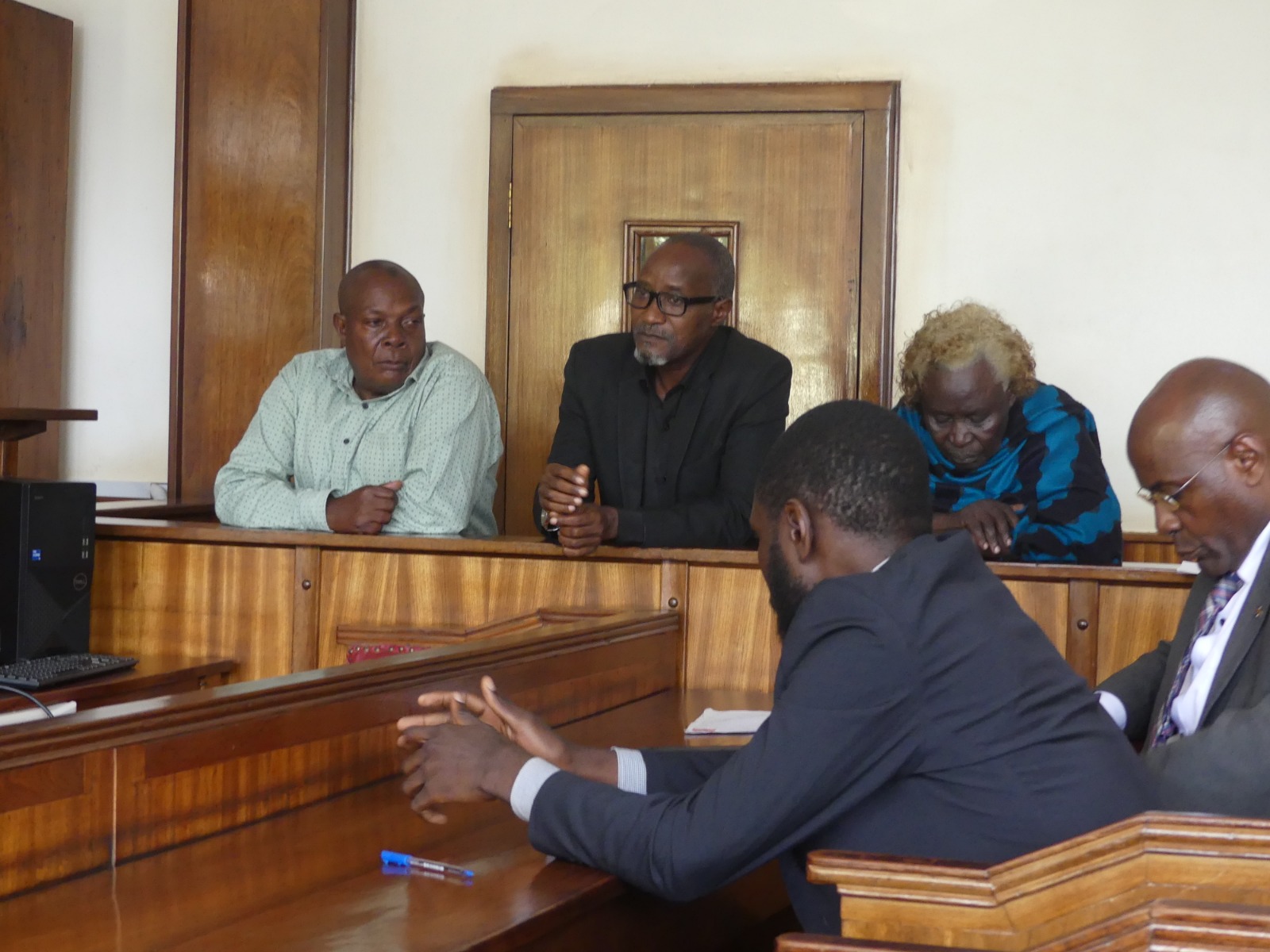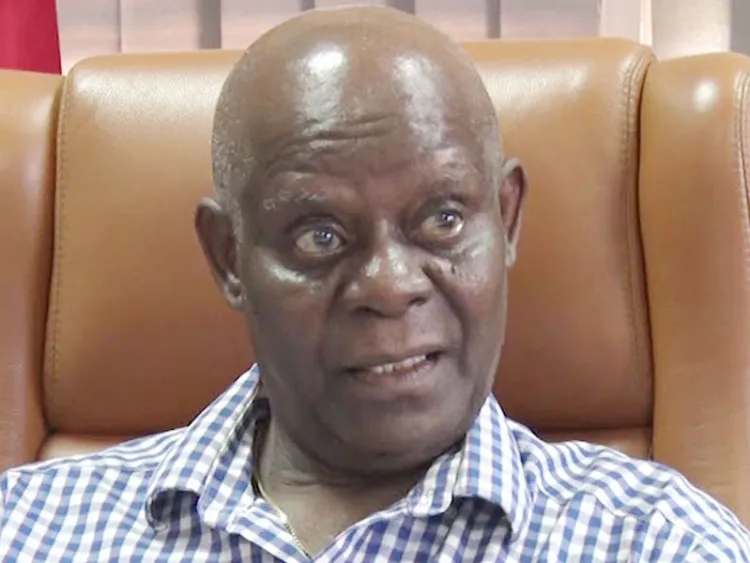
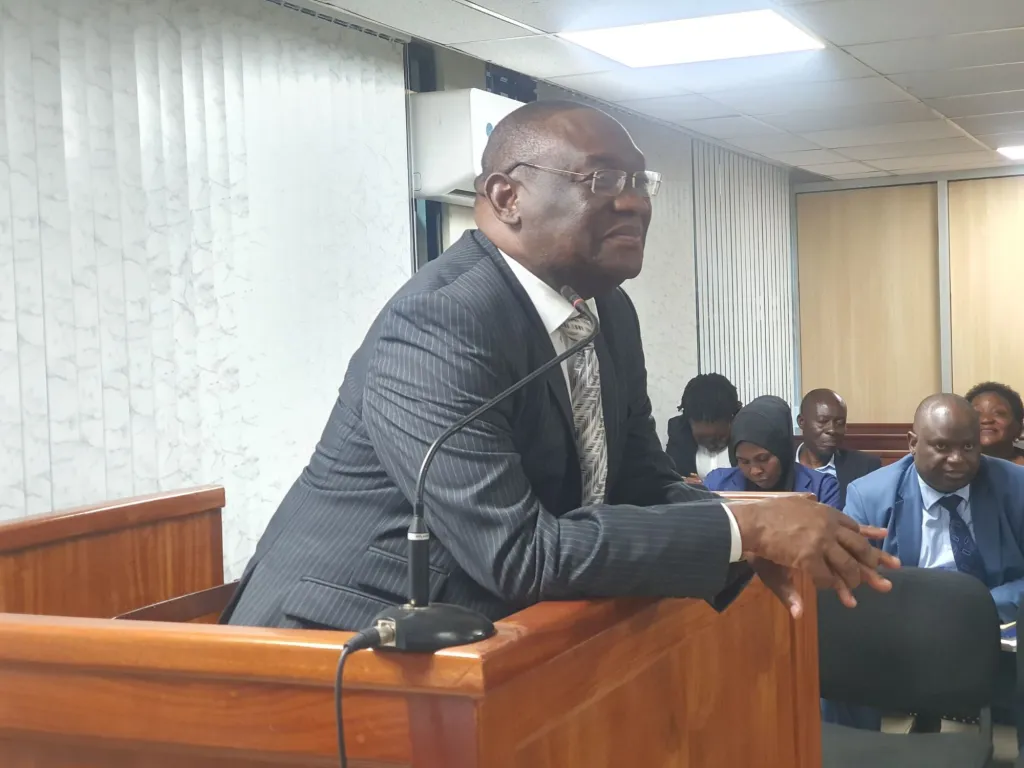
The High Court has dismissed an attempt by senior lawyer John Matovu to stop his prosecution over Shs 7.79 billion that he is accused of failing to pass on to a farmers’ cooperative union in Busoga.
Justice David Makumbi ruled that Matovu’s application was premature, sending the case back to the Anti-Corruption Division of the High Court.
Matovu, a prominent lawyer and a former president of the Uganda Law Society (ULS), is charged with causing financial loss under section 19(1) of the Anti-Corruption Act.
The government alleges that between 2018 and 2023, in Kampala and Jinja, Matovu, being the lawyer of Busoga Growers Cooperative Union Ltd, decided not to pass on Shs 7.79 billion, money meant for war loss compensation.
The farmers under the union sued the government for compensation, and the court ruled in their favour. The court ordered that they be given Shs 7.79 billion.
The government agreed, got the money, and gave it to their lawyer, Matovu.
However, Matovu never remitted the money to the beneficiaries, forcing the government to open criminal proceedings against him.
On his part, Matovu said the government paid the money to him as the union’s lawyer and authorised agent, and that he held it on behalf of the cooperative union.
He argued that the union has never complained to anyone about any loss, fraud or theft, and has never sued him.
Without such a complaint, he said, his prosecution lacks a foundation and is ‘arbitrary, oppressive’ and an abuse of process.
He also said he acted in good faith under a Memorandum of Understanding and Powers of Attorney, and that union officials acknowledged the disbursement of the funds.
Matovu went to court asking it to throw out the criminal case, stop the state from using privileged material, return his passport, refund his cash bail and award damages. He demanded special damages of Shs 1 billion.
Matovu was represented by his law firm, Matovu and Matovu Advocates, while the Attorney General did not take part at all, despite being served.
Capital Shoppers wins Shs572m VAT battle against Britam over Marriott hotel construction
When the matter came up on September 14, Justice Makumbi asked Matovu’s lawyers to file written submissions by September 16, which they did.
However, Justice Makumbi was not persuaded by Matovu’s arguments. He began with the Union, saying he found it rather strange that Matovu was asking for remedies for a body that is not a party to the case.
He said he was not persuaded that Matovu had the right to speak for the union, ‘especially without proof of specific instructions.
“Matovu cannot purport to both be an applicant in this matter as well as counsel for a party not even named in the application,” Justice Makumbi said.
He also pointed to a rule in the Advocates (Professional Conduct) Regulations which bars a lawyer from giving evidence, whether verbally or by affidavit, in a contested matter involving his client.
On Matovu’s own rights, Justice Makumbi agreed he had the right to bring the case and that the rights he cited fall within the High Court’s powers.
However, he said, there was a difference between a bad charge and bad evidence.
“The fact of the indictment of [Matovu] for the offence of causing financial loss is not by and of itself unconstitutional in my view,” he said.
“It is the evidence upon which the state may rely that [Matovu] is taking issue with.”
He said Matovu’s application invited the court to look at evidence not yet placed before the trial judge.
“This to me is tantamount to putting the proverbial cart before the horse,” he said.
Deciding such questions early, Justice Makumbi added, would be tantamount to acting pre-emptively based upon speculation and conjecture.
He said the trial court can handle these worries. He added that the trial judge is ‘duty-bound to weigh the evidence in light of whether or not it is brought with due regard to [Makumbi’s] constitutional rights.
Justice Makumbi also told Matovu that if the trial goes badly for the state, he may still sue the government for malicious prosecution or file fresh proceedings under the Human Rights (Enforcement) Act.
He dismissed his application as premature.