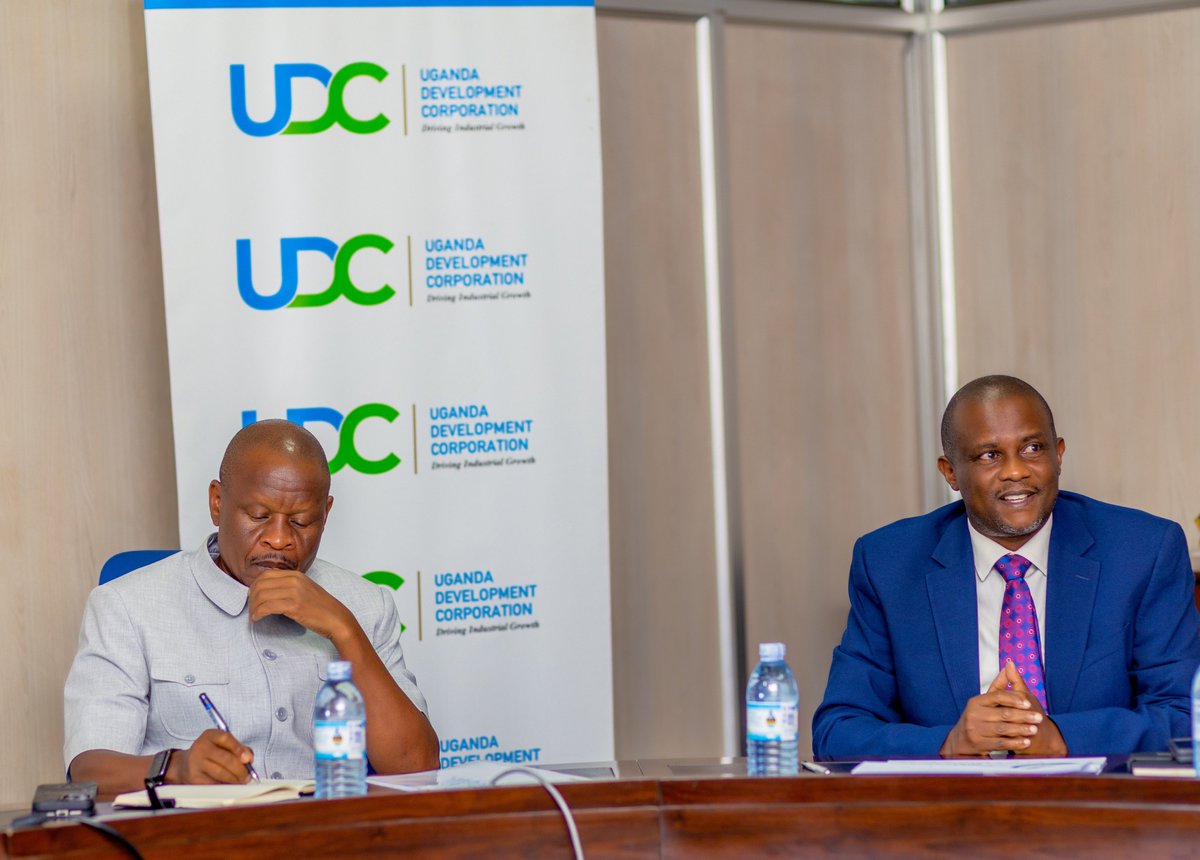
The Ministry of Trade, Industry and Cooperatives has asked for a budget of Shs 514.96 billion next financial year, with a large share earmarked for capitalising the Uganda Development Corporation (UDC).
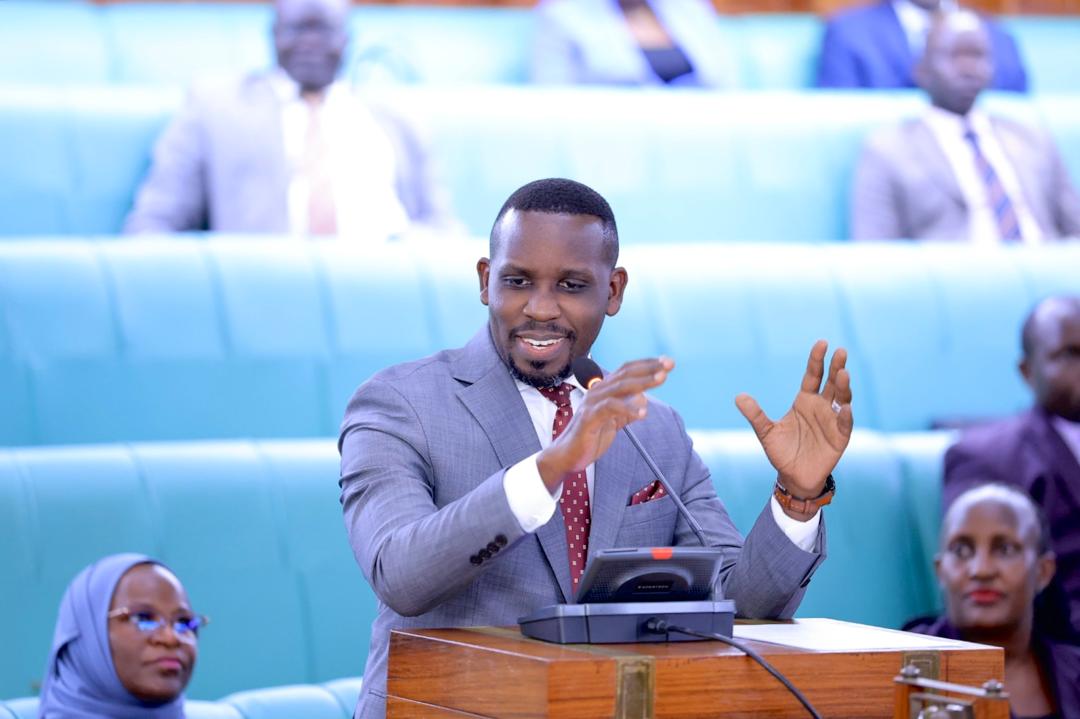
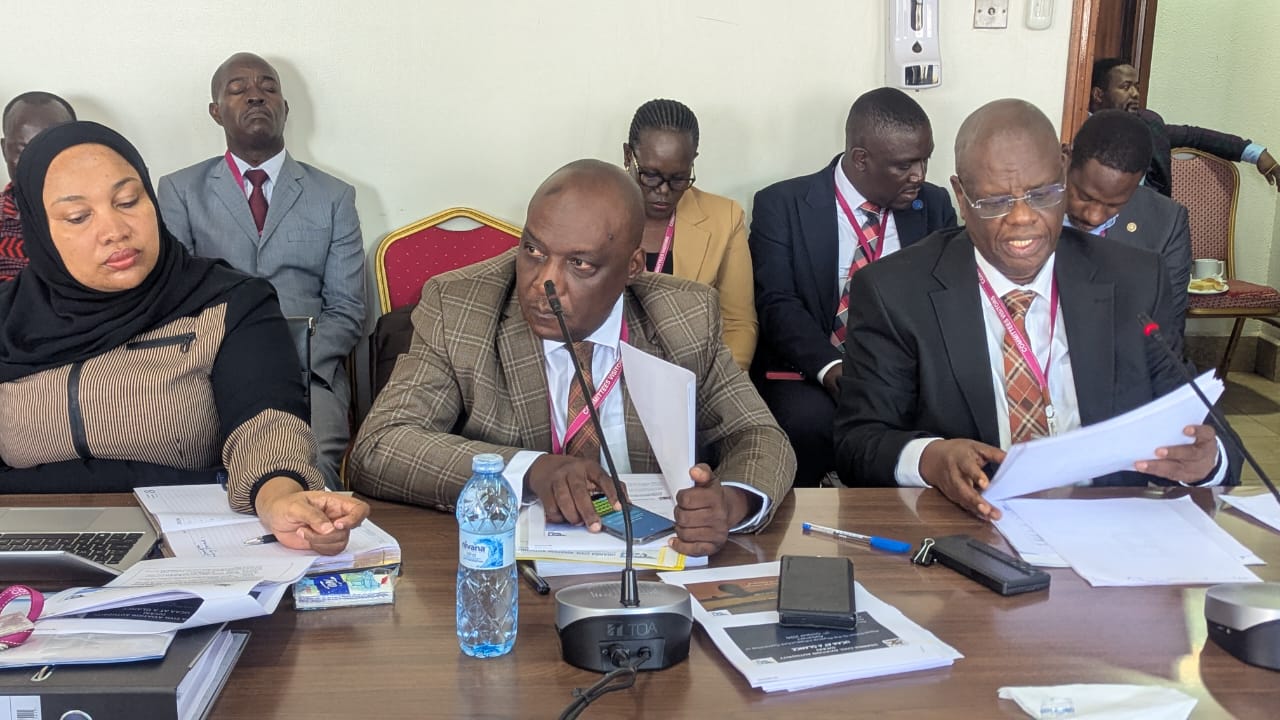
Presenting a report to parliament’s budget committee, the chairperson of the committee on trade, industry and cooperatives, Boniface Okot, said the proposed allocation reflects a 131% increase from the current financial year.
Okot attributed the rise mainly to increased non-wage expenditure, particularly funding for the UDC whose budget is projected to grow by 155% from Shs165.9bn in 2025/26 to about Shs422 billion.
He said 98.6% of the ministry’s proposed budget will support activities under the manufacturing programme, leaving about Shs 86 billion for the ministry’s direct outputs.
The proposal also includes Shs2.1bn as a subvention to the Uganda Cooperative Alliance Limited and Shs3 billion for the Uganda National Accreditation Service.
Okot told legislators that the allocation aligns with parliament’s recommendations in the National Budget Framework Paper.
He added that Shs 1.2 billion has been provided for wages to enable the recruitment of critical staff, alongside an additional Shs 56 billion for targeted investments through the UDC.
Among the planned activities, the ministry intends to negotiate simplified trade arrangements for agricultural exports with South Sudan and the Democratic Republic of Congo.
It will also conduct capacity building sessions for exporters, focusing on cross-border traders, women, youth and vulnerable groups.
The ministry plans to explore new export markets in Algeria and South Africa, inspect tobacco farms and storage facilities, and sensitise stakeholders on the Tobacco Control and Marketing Act.
Further interventions include validating cooperative unions, inspecting farmers’ cooperatives, refurbishing storage facilities and supporting small businesses to meet certification standards such as Q-Mark, HACCP and ISO 22000.
The ministry will also promote adoption of barcoding systems, organise stakeholder dialogues on trade, and present the Trade Remedies Bill to cabinet.
In addition, it will support enterprises under the Parish Development Model with technical guidance on value addition, innovation and marketing.
Patrick Opolot Isiagi, the chairperson of the budget committee, pledged support for the proposals, citing the need to strengthen the sector.
He, however, pointed to persistent challenges including understaffing, weak accountability by local governments in managing shared tourism revenues, and the absence of governing councils in key training institutions.