Medical practitioners have strongly opposed the government’s new policy on medical interns, arguing that it was introduced without consultation and threatens both medical training and healthcare service delivery.
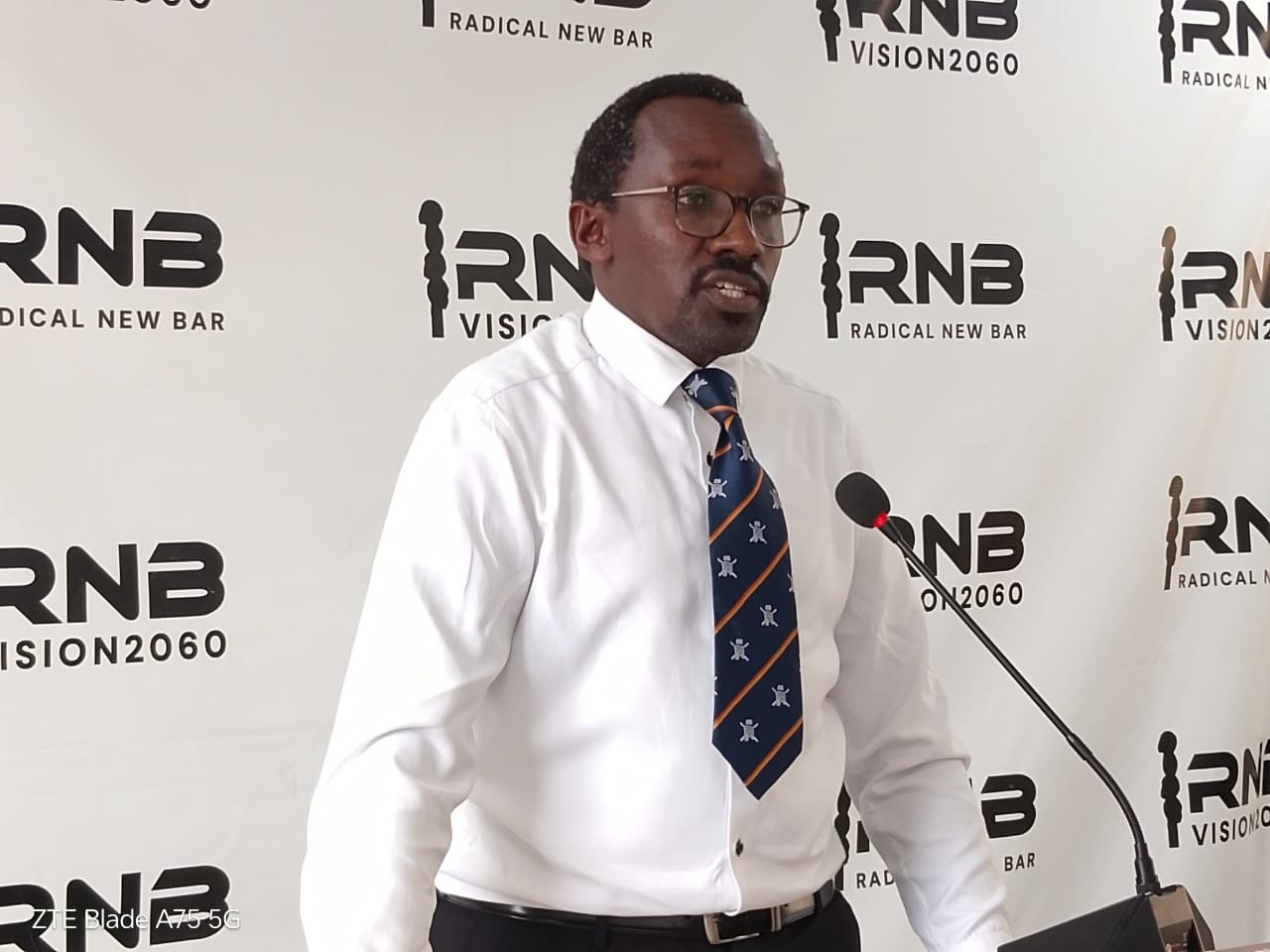
Speaking during an engagement meeting with the Uganda Law Society in Kampala, leaders of medical professional associations described the policy as unfair, unethical and harmful to the medical profession.
Under the new policy, medical interns will not be allowed to graduate before completing their internship. The government has also scrapped internship allowances, a move that has sparked outrage among doctors and interns.
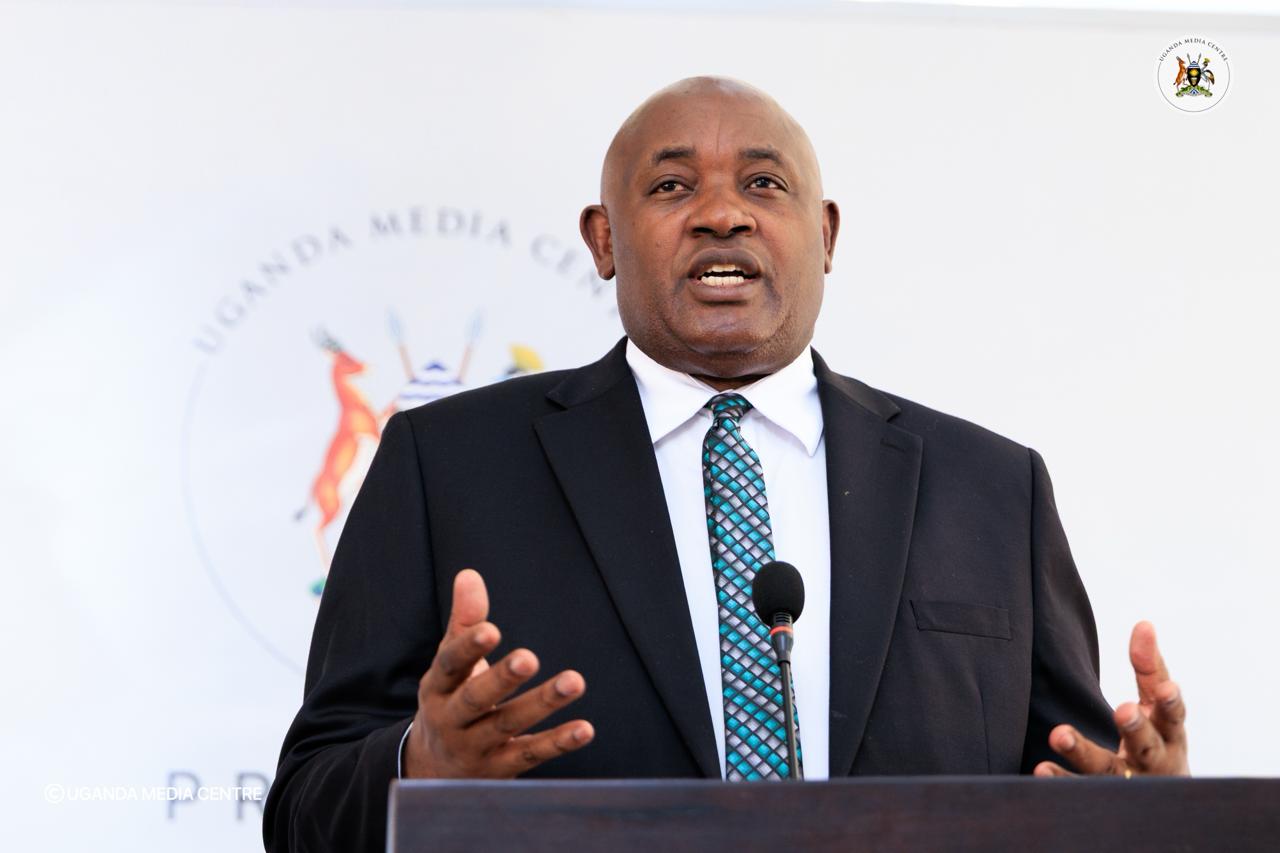
Dr Frank Asiimwe, the president of the Uganda Medical Association (UMA), described the policy as “draconian, shambolic and dead on arrival.”
“The policy was not brought in good faith. It appears designed to frustrate medical professionals rather than support them,” Asiimwe said.
He said medical associations were not consulted before the policy was introduced and insisted that the medical fraternity would continue pushing for its reversal.
“As a fraternity, we are not ready to comply with this policy. Medical interns cannot be expected to provide services for free. They deserve their monthly allowances,” he said.
According to Asiimwe, the policy interferes with the medical education curriculum by preventing students from graduating before completing the mandatory internship programme during their sixth year of training.
He argued that medical interns should not be treated as ordinary students because they already provide essential healthcare services under supervision.
Asiimwe further said medical interns are probationary officers who, under existing regulations, are entitled to receive 70 per cent of a full salary. He called on the government to immediately reinstate their allowances.
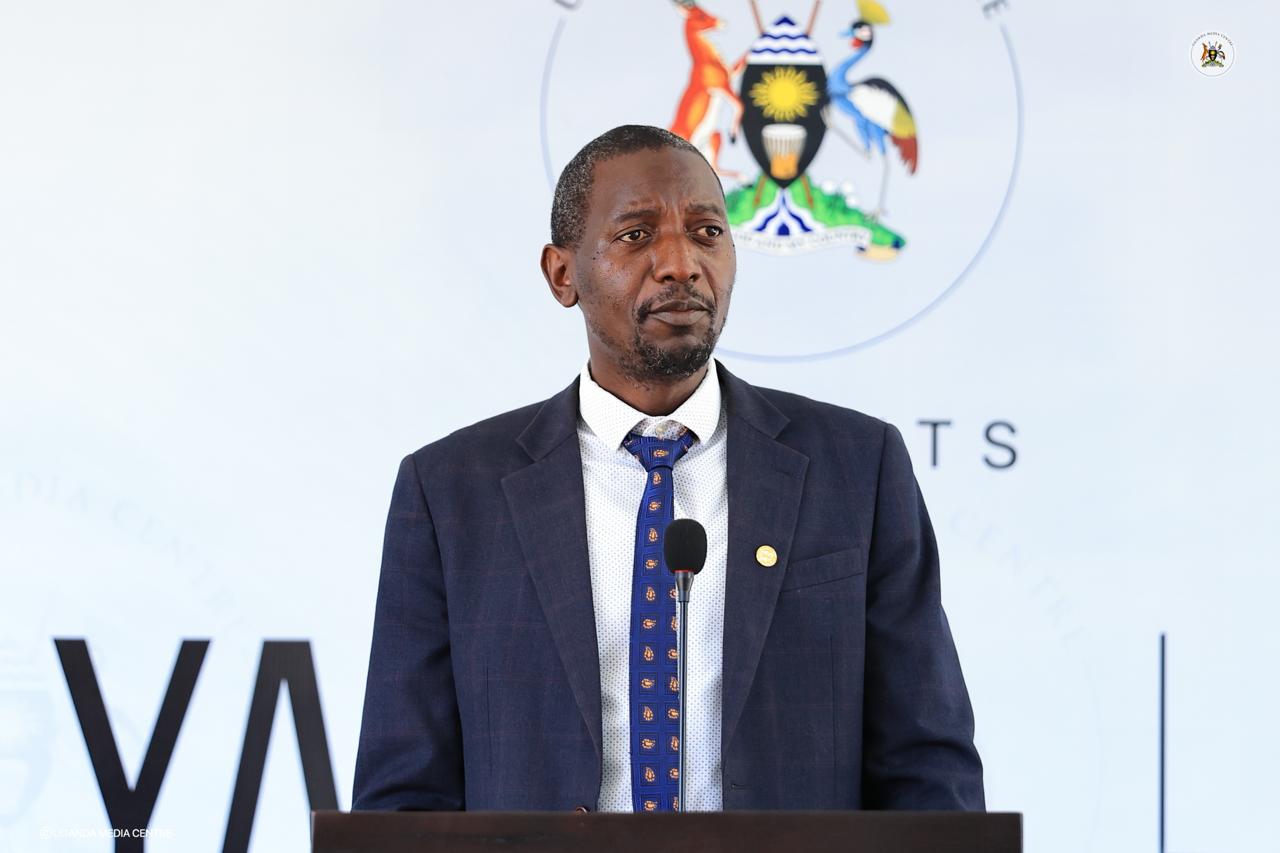
The president of the Federation of Uganda Medical Interns (FUMI), Dr Jacob Mwandha, also criticised the policy, warning that it could negatively affect healthcare services in government hospitals.
“I am disappointed by the government’s decision to label interns as students. Interns are not students. They are medical practitioners undergoing supervised training,” Mwandha said.
He said it was wrong for authorities to portray some interns as incompetent and argued that the new policy undermines the contribution interns make to the country’s health sector.
Mwandha called for a specific law governing medical interns to clearly define their allowances, working hours and conditions of service.
“It is time Uganda enacted a law for medical interns so that their welfare and responsibilities are properly protected within the public service structure,” he said.
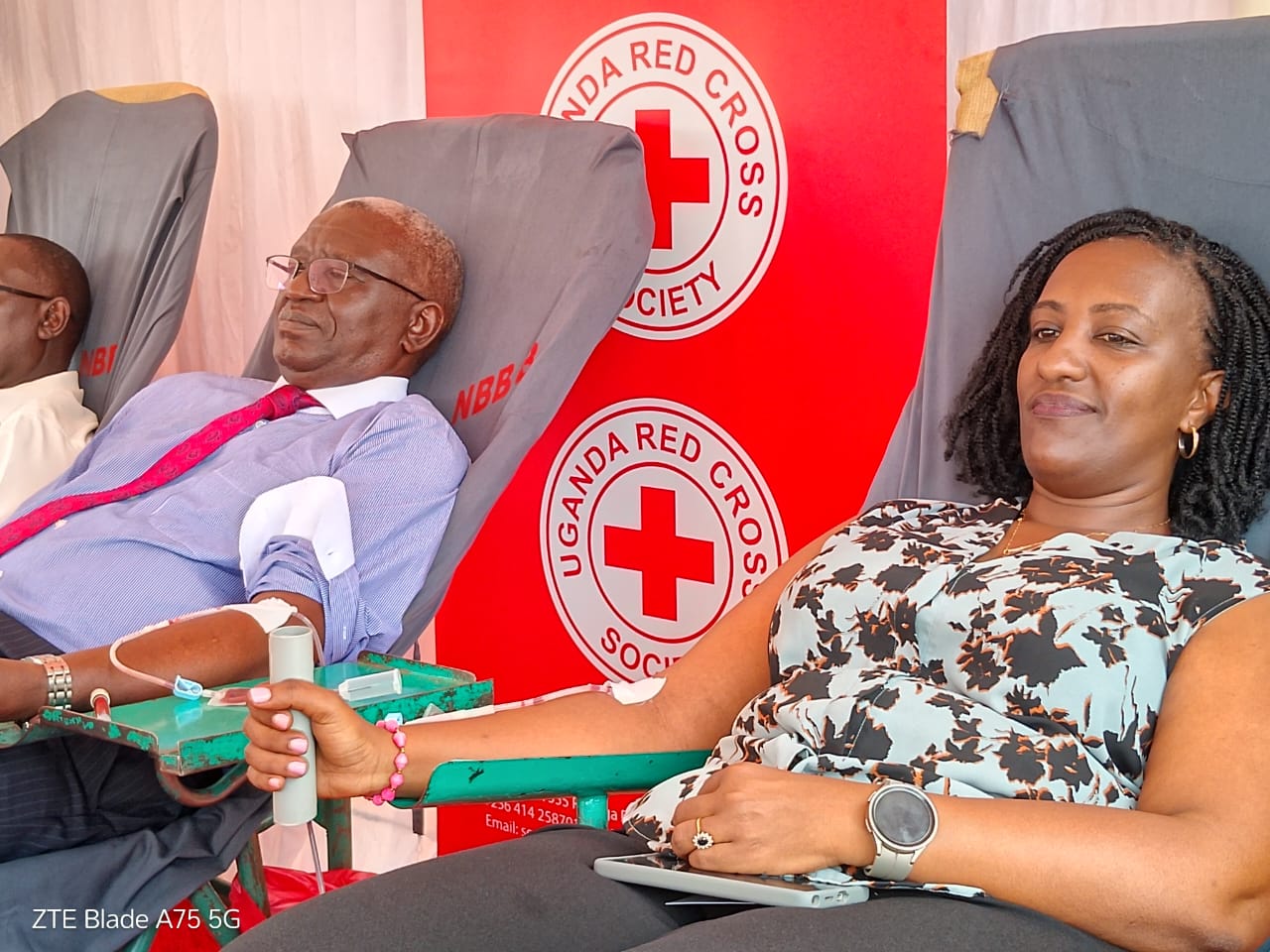
Former UMA president Dr Ekwaro Obuku also joined the campaign for the restoration of intern allowances.
Obuku questioned the government’s decision to remove funding for interns while continuing to spend large sums of money on other projects.
“Why would government spend money on projects whose returns are not visible and then scrap medical interns’ allowances?” he asked.
He cited expenditure on projects such as Atiak Sugar Factory, the Dei Biopharma pharmaceutical project and the Lubowa Specialised Hospital project, arguing that medical interns require only about Shs20 billion annually to cover their allowances.
Obuku also noted that Parliament’s budget has increased significantly over the years, saying the government should prioritise funding frontline healthcare workers.
The medical leaders urged government to review the policy and engage stakeholders before implementing changes that affect could medical training and healthcare delivery.