Industrial development is often measured by the number of kilometres of pipeline built, tonnes of steel installed, or energy generated.
However, another important measure is who gets the opportunity to build that development.
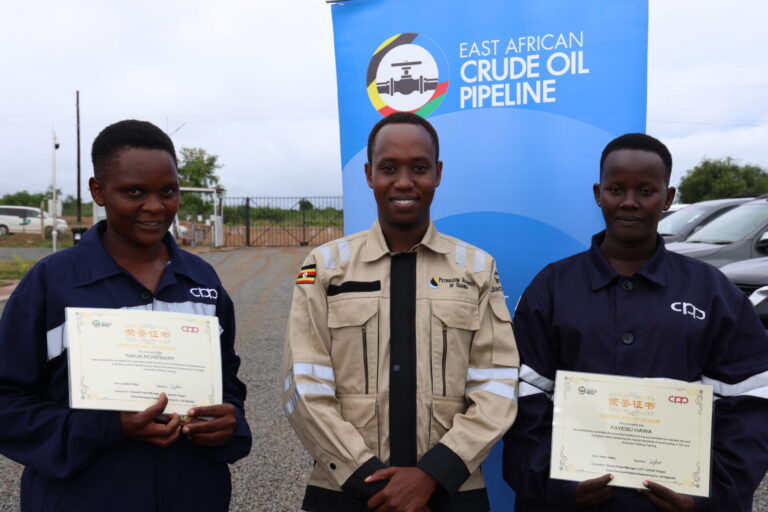
Across Uganda and Tanzania, the East African Crude Oil Pipeline (EACOP) says it is helping to change long held beliefs that technical jobs such as welding, rigging and operating heavy equipment are only meant for men.
Through its technical training programmes, EACOP is training women alongside men and requiring them to complete the same internationally recognised courses, practical assessments and industry certification.
The project says the focus is not on lowering standards but on giving everyone with the required ability and commitment an equal opportunity to succeed.
As construction of the 1,443-kilometre pipeline continues, more women are joining technical occupations that have traditionally been dominated by men.
Their performance, according to EACOP, is demonstrating that skill and competence, rather than gender, determine success.
The project says developing local skills is a key part of its National Content programme, which aims to ensure that Uganda and Tanzania continue to benefit from the knowledge and expertise gained long after construction has ended.
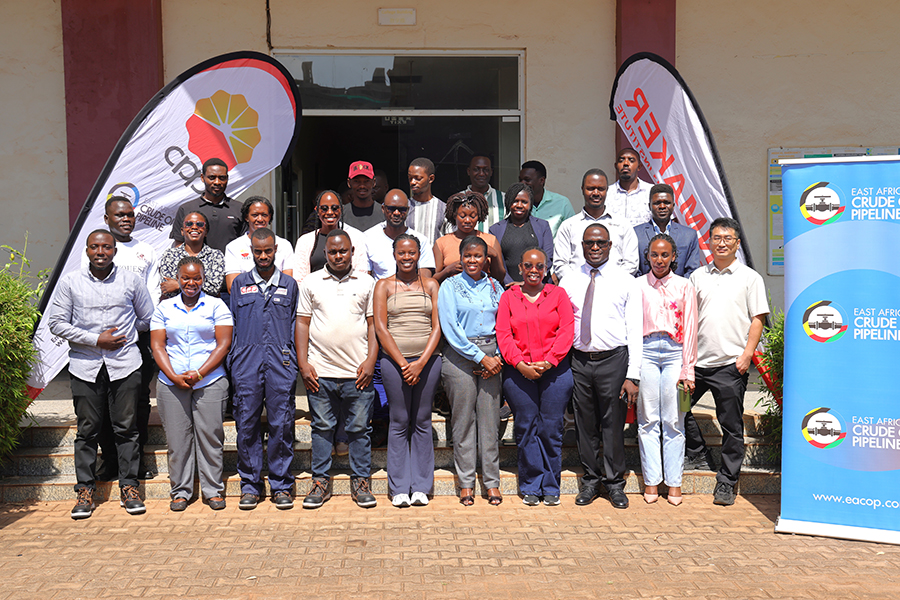
Working with the Uganda Petroleum Institute Kigumba (UPIK) and vocational training institutions in Tanzania, EACOP, together with its tier one contractors, has introduced specialised training programmes that prepare local workers for careers in the energy and construction sectors.
The trainees receive internationally recognised qualifications, including certifications from the Engineering Construction Industry Training Board (ECITB) and OPITO.
They are trained in specialised fields such as 3G and 6G coded welding, mechanical maintenance, non destructive testing and heavy equipment operation.
According to EACOP’s National Content team, the project is not only constructing a pipeline but also building local technical capacity that will remain valuable after the project is completed. Hundreds of young people have already completed or are undertaking specialised training.
The project has also introduced a Gender Equality and Social Inclusion framework aimed at increasing women’s participation by promoting targeted recruitment, workplace mentorship and gender sensitive training facilities.
According to EACOP, women now make up as much as 25 per cent of trainees in some specialised midstream technical training programmes.
Some are qualifying to operate heavy cranes, mobile workshop vehicles and rigging equipment, while others are mastering the advanced welding techniques required for the world’s longest electrically heat traced crude oil pipeline.
One female trainee at UPIK said that many people initially believed welding was too dangerous for women. However, after successfully passing welding inspections, she said people now recognise her as a qualified professional.
EACOP says increasing the number of skilled women benefits not only individual families but also local businesses and communities through higher incomes and improved employment opportunities.
The project adds that as Uganda and Tanzania continue expanding their industrial and energy sectors, the internationally certified technicians graduating today will be well placed to support future investments in construction, manufacturing and renewable energy.
EACOP says it will continue recruiting new trainees and supporting local suppliers, adding that investing in both women and men is essential to building a skilled workforce that will contribute to East Africa’s industrial development for many years.