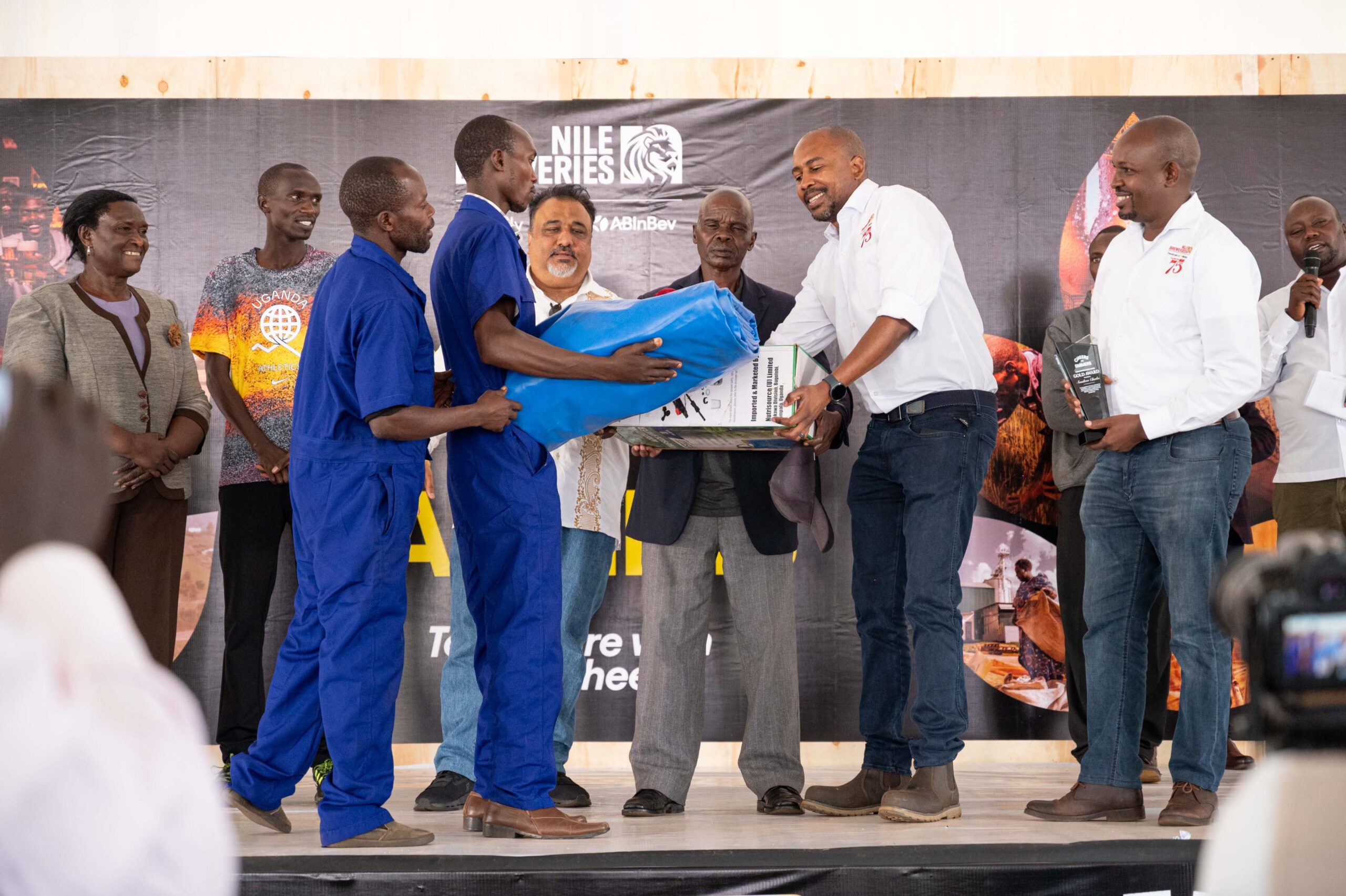
Nile Breweries Limited (NBL) has honoured more than 500 barley farmers in the Sebei sub-region for their part in Uganda’s barley supply chain.
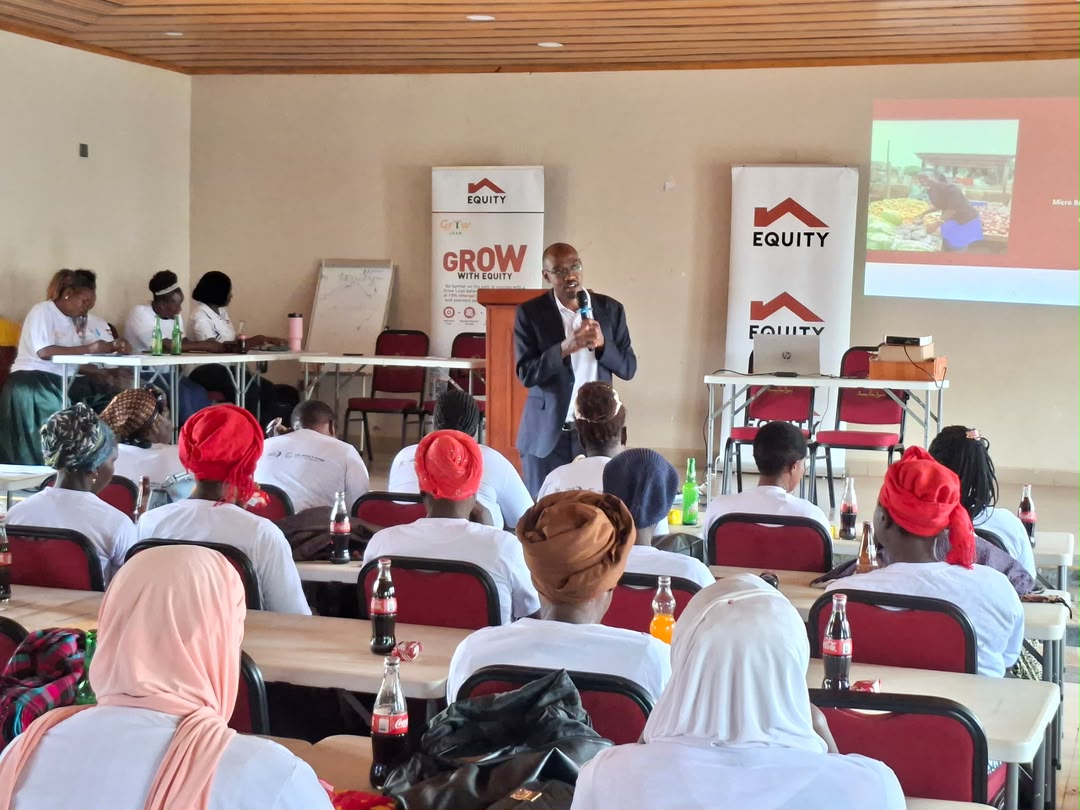
The event was held at the company’s Cheminy drying facility in Kween as part of its Cheers to Farmers campaign. Farmers, local leaders and national government officials attended. The aim was to reward outstanding growers and share ways to raise yields and cut losses after harvest.
NBL says it has supported about 25,000 farmers over the years to grow barley, sorghum, cassava and maize for its breweries. Around 4,000 of them grow barley in the Kapchorwa highlands.
More than 98% of the brewer’s raw materials come from Ugandan sources, according to the company. It says it spends more than Shs 156 billion on local sourcing every year.
Joseph Luzinda, NBL’s agro services manager, said the company buys about 10,000 tonnes of barley a year from farmers. He added that the brewery is working with the National Agricultural Research Organisation (NARO) on a new barley seed variety.
Under its Local Raw Material programme, NBL gives farmers improved seed and advice from field officers. It also guarantees them a buyer for their crop.
Sanjay Tanna, the minister of Trade, Industry and Cooperatives, said a sure market gives farmers the confidence to invest in better production. He said local processing also creates jobs.
“Nile Breweries’ investment in local sourcing demonstrates how agriculture and manufacturing can grow together,” Tanna said.
Farmers in Sebei have long struggled to dry their grain when harvest time falls in the rainy season. Wet grain can fail the quality standard needed for malting.
NBL opened the Cheminy barley cleaning and drying facility in 2023 after investing Shs 4 billion. It now offers cleaning, drying and storage to farmers in Kween, Kapchorwa and Bukwo districts.
Nkanyiso Mncwabe, NBL’s managing director, said the company was marking 75 years in Uganda.
“We recognise the farmers whose work supplies our breweries and sustains farming communities,” he said. “Our breweries depend on farmers being able to grow quality grain and make a living from it.”
He said NBL works with farmers throughout the season, “from access to seed and agricultural advice to the handling of their harvests”.
“Cheers to Farmers gives us a chance to thank our farmers and celebrate the progress we have made together,” Mncwabe said. “Their success matters to the long-term future of Nile Breweries and to the communities in which we work.”
Extension officers led a practical training session on growing barley. NBL then presented awards to the best-performing farmers.
Local leaders said the partnership had changed life for farming families.
Augustine Kamuchaki, the LC1 chairperson of Chemolon Cell, said farm income helped families pay school fees and kept trade going in the community.
“We appreciate Nile Breweries’ partnership with our farmers, particularly the ready market for barley and the Cheminy facility that helps preserve grain quality after harvest,” he said.
Paul Kapchemeiko Majinjach, the LC5 chairperson of Kween, said improved seed, advice and a sure market had helped farmers to produce and sell good barley.
Vincent Chelimo, the LC5 chairperson of Kapchorwa, asked for more support for soil testing. He said it would help farmers understand their soil and raise productivity. He also appealed for more projects to create jobs for young people in the region.