Thousands of small-scale gold miners in Uganda are still exposed to mercury because they cannot afford safer equipment, stakeholders have warned.
They said limited access to affordable credit was the biggest obstacle to ending mercury use in artisanal and small-scale gold mining, even though mercury-free technologies already exist.
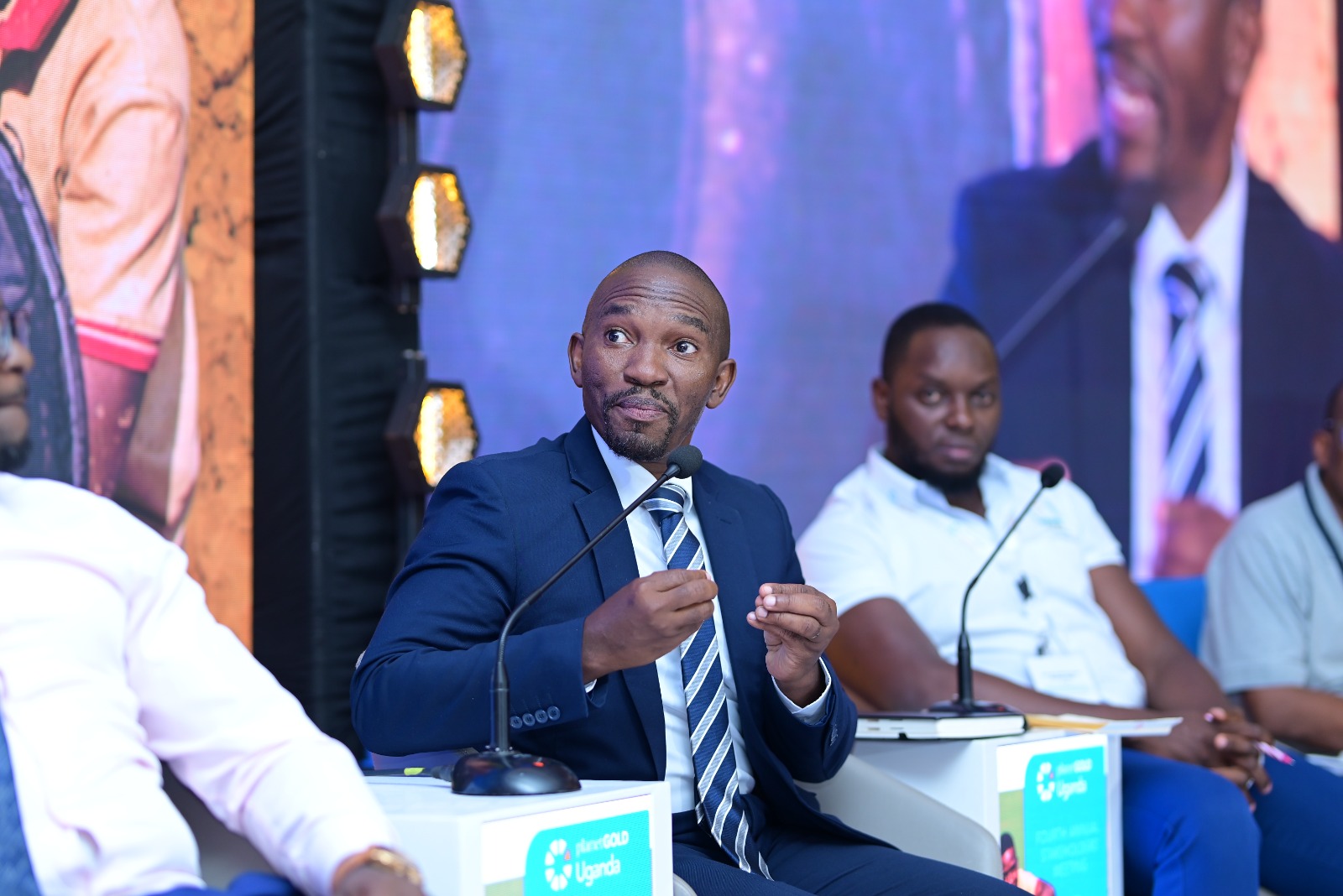
The concerns were raised in Kampala at the fourth annual stakeholders meeting of planetGOLD Uganda. Government officials, development partners, financiers and mining sector representatives attended.
The sector supports an estimated 70,000 miners, many of whom depend on gold mining as their main source of income.
But it remains largely informal. Many miners lack proper equipment and credit, and many still use mercury to process gold.
Stakeholders said the cost of buying processing equipment and improving mining operations was beyond most miners.
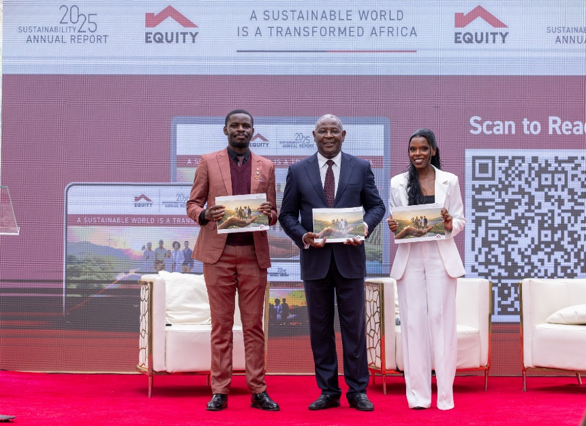
Bob Paul Lusembo, the head of micro business at Equity Bank, said lenders needed to do more than offer standard loans.
He said financing should also cover financial literacy, equipment purchases and the formalisation of mining businesses.
“If we are to ensure a safe and sustainable mining industry that contributes to the development of this country, we need to finance the entire value chain,” he said.
The meeting also heard from a miner who described long-term health problems linked to mercury exposure. Participants said such accounts showed the human cost of unsafe mining.
Mercury can damage the nervous system and pollute water sources and ecosystems. Uganda’s mining regulations prohibit its use, so moving to safer methods is both a legal and an environmental duty.
Dr John Ekure, a member of the board of the National Environment Management Authority (NEMA), urged miners and other stakeholders to put human health first. He warned against chasing economic gains at the expense of workers’ safety.
Magara Siraje, the extractive industries coordinator at Oxfam in Uganda, said responsible use of mineral resources could boost the country’s exports. He stressed, however, that miners also needed better access to financial services and technical support.
planetGOLD Uganda is a five-year project funded by the Global Environment Facility and implemented by the UN Environment Programme.
It was launched in Kampala in November 2022 and aims to support 4,500 men and women at 11 mine sites and cut mercury use by 15 tonnes. It is executed by IMPACT with the Ministry of Energy’s Department of Mines and NEMA.
Participants called for closer cooperation among government agencies, financial institutions, development partners and mining communities to speed up the change.
They concluded that closing the financing gap and helping miners form registered groups would be critical if Uganda is to end mercury use in gold mining while protecting livelihoods and the environment.