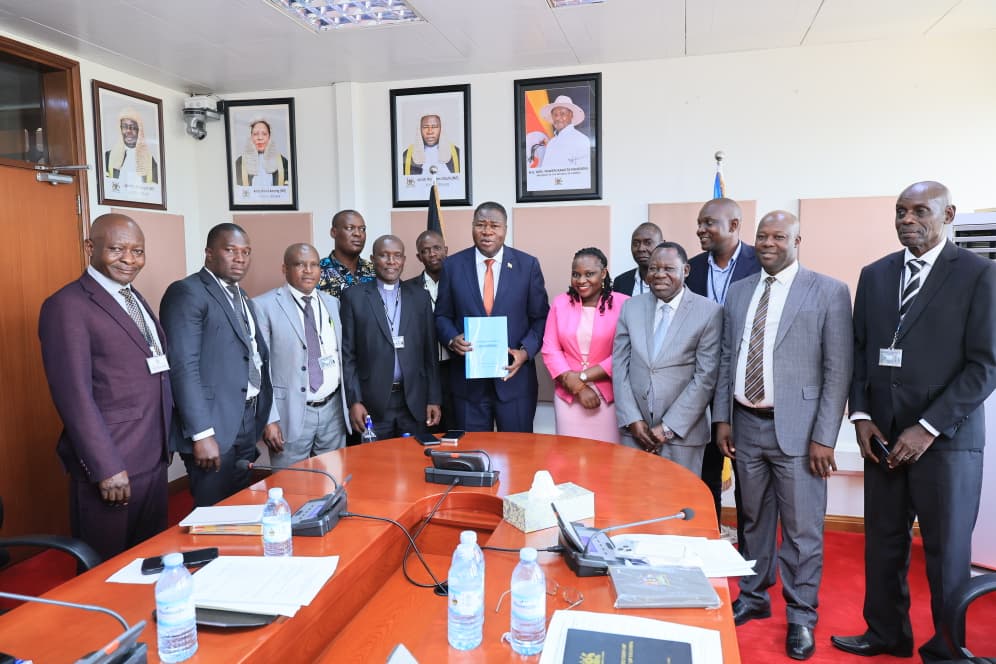
Elders from Bulamogi have asked the Speaker of Parliament, Jacob Marksons Oboth, to help protect the Lulamogi language, which they say is dying out.
They said the language is losing ground because of intermarriage and the weakening of cultural heritage.
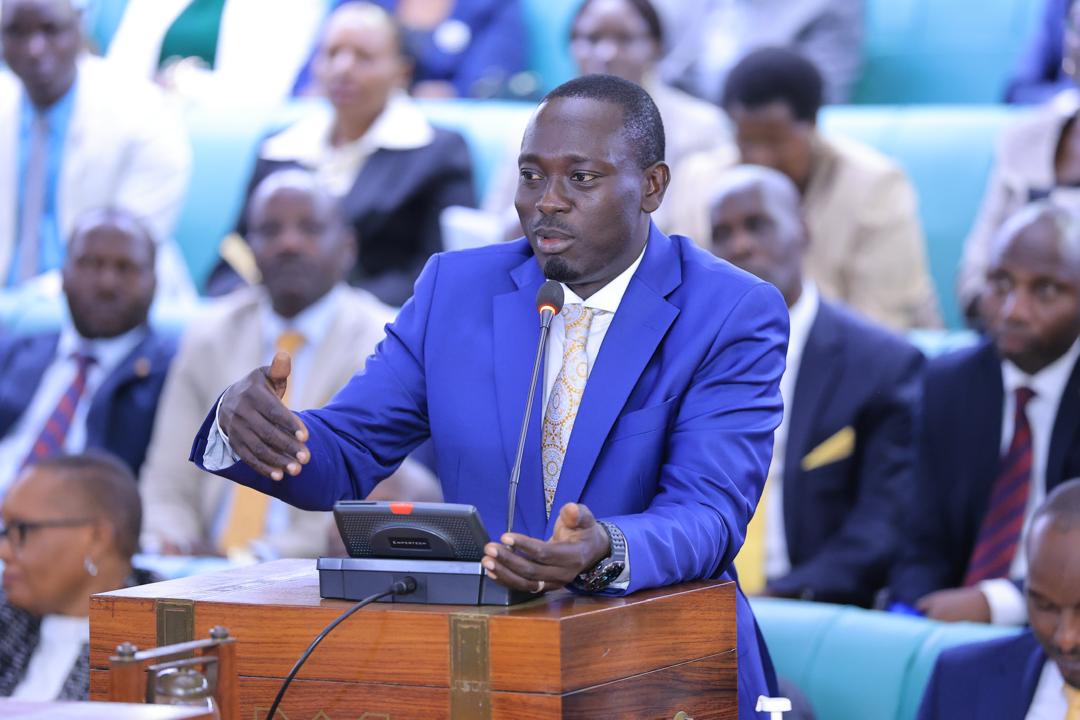
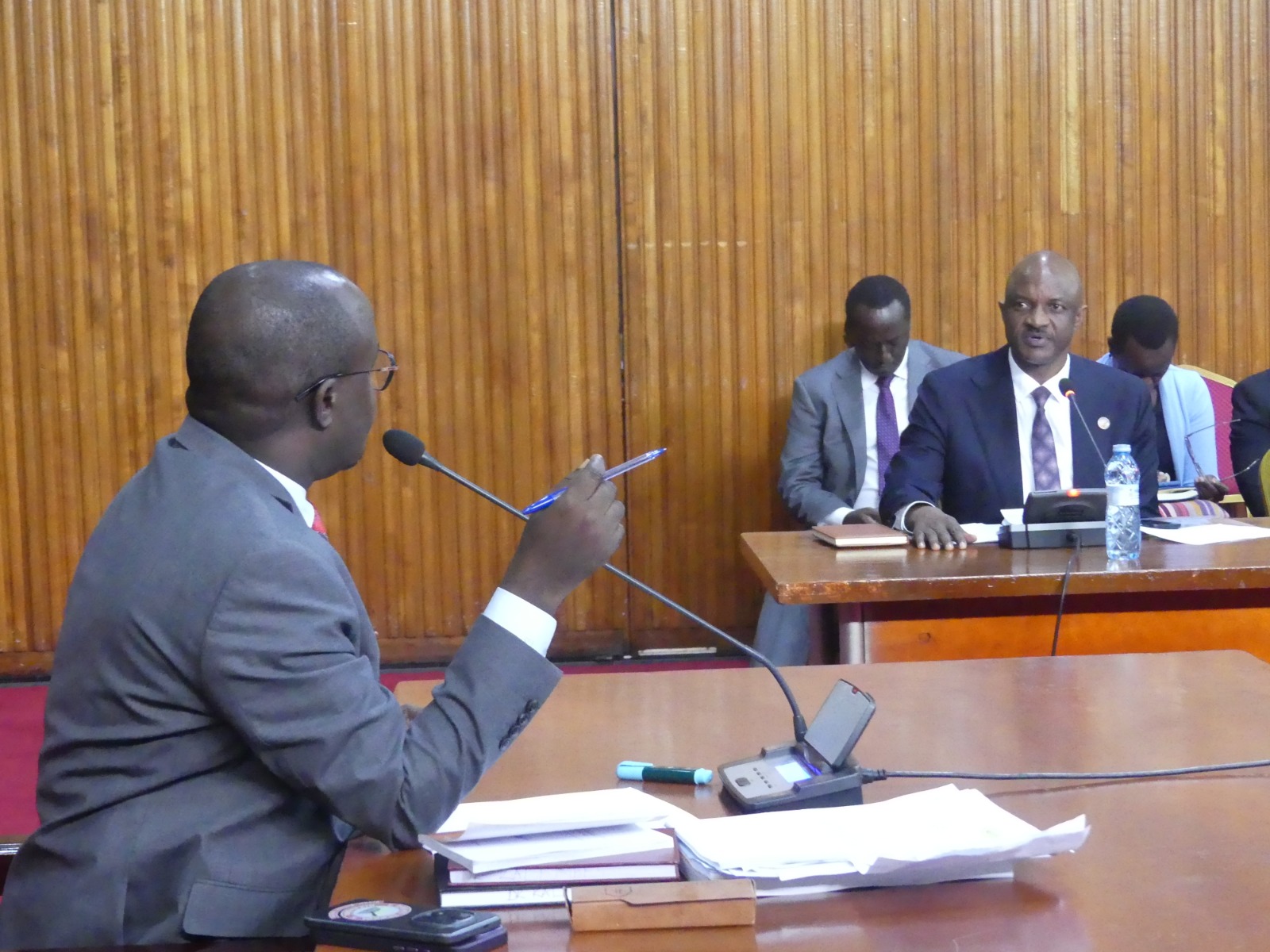
The delegation was led by Bulamogi MPs Brenda Namukuta, the Kaliro district Woman MP, George Patrick Kasajja of Bulamogi North West, and Bernard Mutebi Mugoya of Bulamogi County.
It also included members of the Lulamogi Language Development Association, led by the Rev. Fred Kalimu of St Luke’s Church of Uganda in Kaliro, and the Kaliro district education officer, Moses Muwanguzi.
Speaking to journalists after meeting the Speaker, Muwanguzi congratulated Oboth-Oboth on his election.
“We congratulate you, Right Honourable, upon your election to the office of Speaker. However, we are concerned that our language is decaying due to intermarriages. We seek your support to gazette Lulamogi from decay,” he said.
Muwanguzi said Lulamogi is distinct from the other languages of Busoga and deserves special support.
He said the language needs money and backing to produce a Lulamogi dictionary, through research, compilation and printing.
The elders also want reading books and charts made from community material, including riddles, stories, proverbs and calendars.
They want the constitution of Uganda translated into Lulamogi.
Muwanguzi said the group also wants an official, permanent writing system for the language, known as an orthography, to be gazetted.
It also wants to complete the second phase of the Bible translation. This would build on the existing audio Bible with written translation, editing and distribution.
The elders further proposed a Lulamogi language board. Muwanguzi said it would be a standing body to guide the language’s growth beyond the first phase of the programme.
He said about 340,000 people speak Lulamogi as a mother tongue. Most live in Kaliro district.
Others live in parts of Jinja district, including Butembe, Butagaya, Buyengo, Lwololo, Mafubira and Nakabango. There are also speakers in Entebbe and in diaspora communities in Kampala, including Kireka, and in Kamuli.
Despite this, Muwanguzi said, government policy names only Lusoga as the language of instruction in schools across Busoga, including Bulamogi.
The elders argued that this blocks Lulamogi from developing its own standard written form.
Responding, Oboth promised to support the National Curriculum Development Centre (NCDC) in reaching Balamogi children who are still in school.
He described Lulamogi as a “corrupted” language and advised the elders to promote it under Lusoga, saying every language is a distinct identifier.
He said Lulamogi blends several languages, among them Lusiki, Lukenyi and Lukono. He added that President Museveni knows of its uniqueness.
The Speaker also warned the elders against seeking gazettement. He said it could require a long process and a constitutional amendment, and advised them to pursue their goals under Lusoga.
Oboth also spoke about the power of mother tongues, drawing on his time as a student in Minnesota in the United States.
“I could not see many black people except Basoga. I felt homesick and started singing and praying in my local language. That is how powerful our local languages are,” he said.
The delegation also asked the Speaker to help complete St Luke’s Church of Uganda in Kaliro, which has stood unfinished for 25 years.
Oboth said his budget was tight but promised to support both Anglican and Catholic churches, citing his good working relationship with the area’s MPs.