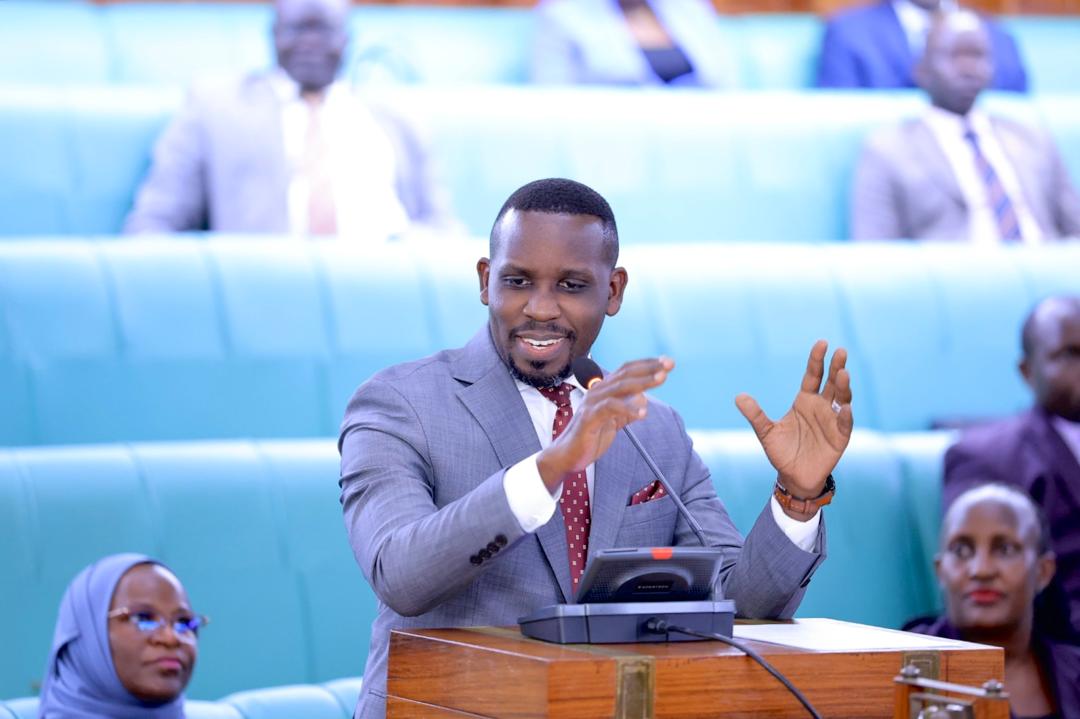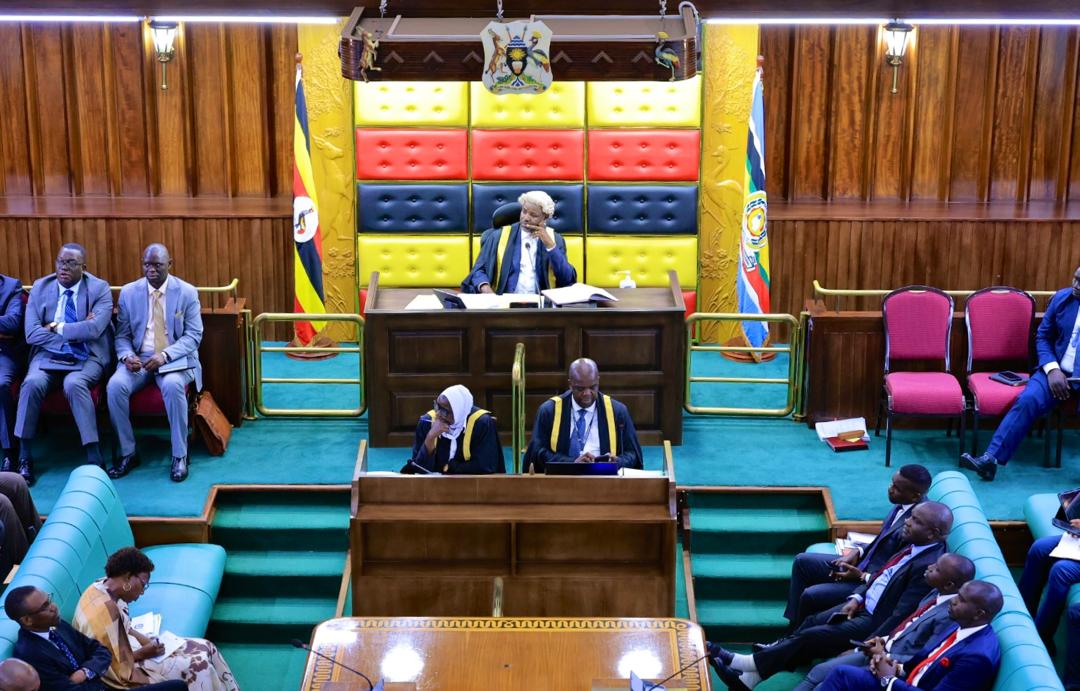
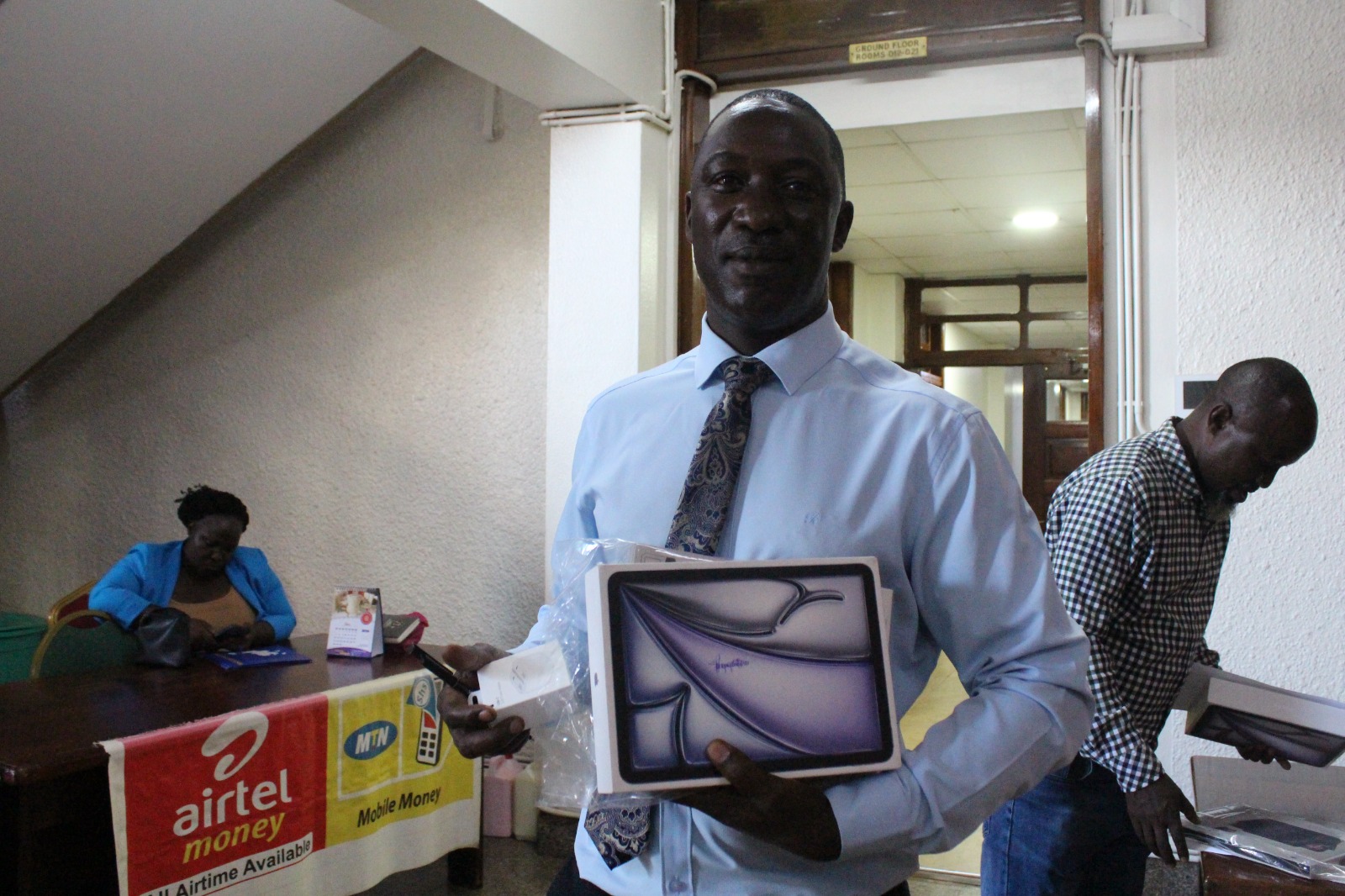
MPs have started receiving iPads to help them carry out their work more efficiently; however, they still face several challenges that affect their ability to serve the public effectively.
Last week, new MPs began collecting the devices, which are expected to improve communication and access to parliamentary documents.
While the iPads are a welcome addition, many of Parliament’s long-standing problems remain unresolved.
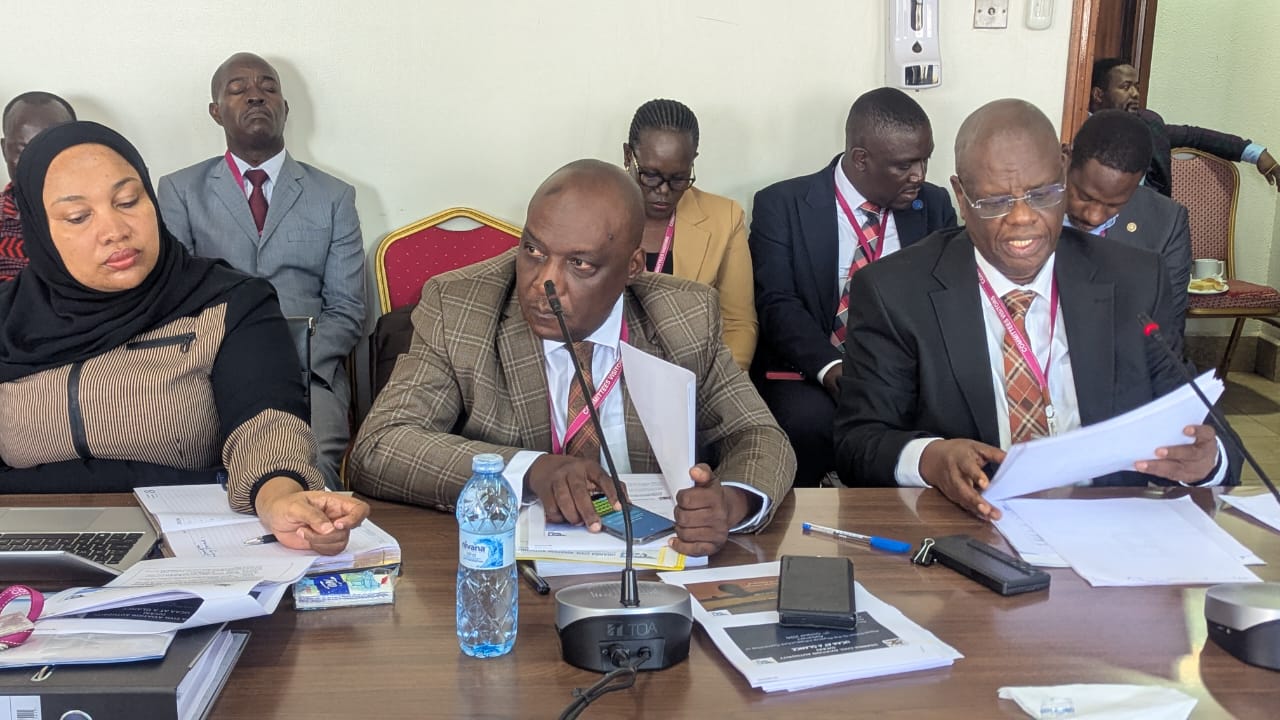
One of the biggest challenges is the lack of modern technology in committee rooms. Most committee rooms only have public address systems and lack cameras, audio and video recording equipment, and electronic attendance systems.
As a result, MPs still sign attendance books manually when they attend committee meetings. In some cases, attendance drops after members have signed in, making it difficult for committees to complete their work effectively.
The lack of recording equipment also limits public access to committee proceedings and reduces transparency.
According to the Office of the Clerk to Parliament, about Shs 2.3 billion has been spent on iPads for members of the 12th Parliament. Each device costs about Shs2.5 million, and all 529 MPs are expected to receive one.
However, Parliament’s Strategic Plan for 2025/26 to 2029/30 shows that the institution faces many other challenges.
The plan says public participation in law-making remains low because many citizens are not aware of how Parliament works and have limited opportunities to contribute to discussions on proposed laws.
The document also notes that some MPs need more training in emerging and specialised areas such as artificial intelligence, oil and gas, public finance, loan financing and resource mobilisation.
Another challenge is the limited time available for Parliament to study reports and proposed laws. Because of tight deadlines, some reports are adopted before committees have thoroughly examined them.
The plan also highlights low attendance at committee meetings, delays in signing committee reports and the lack of systems to measure the quality of debates in Parliament.
Inadequate office space remains a major problem. Many MPs and parliamentary staff still do not have enough office space due to delays in the construction of new parliamentary buildings.
Parliament also faces difficulties in getting timely responses from government ministries and agencies on issues raised by MPs.
The institution further says it lacks enough money and equipment to carry out thorough oversight of government programmes.
These challenges come at a time when Parliament is facing increased public scrutiny over its spending and accountability, including questions raised about the lifestyle and expenditure of former Speaker Anita Among.