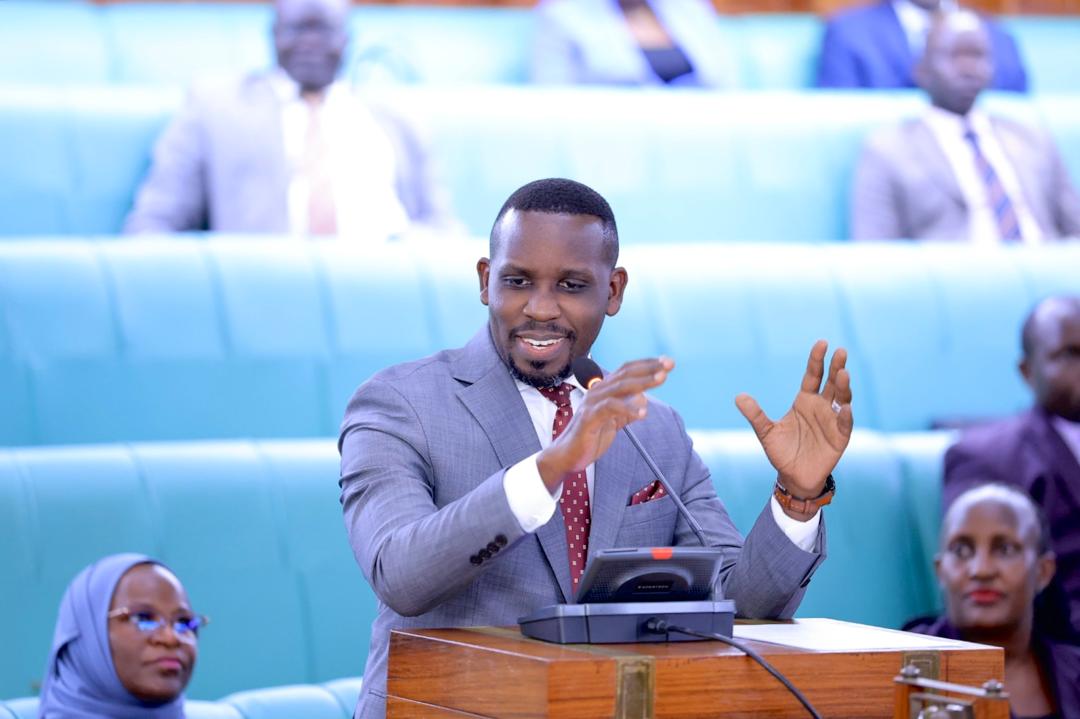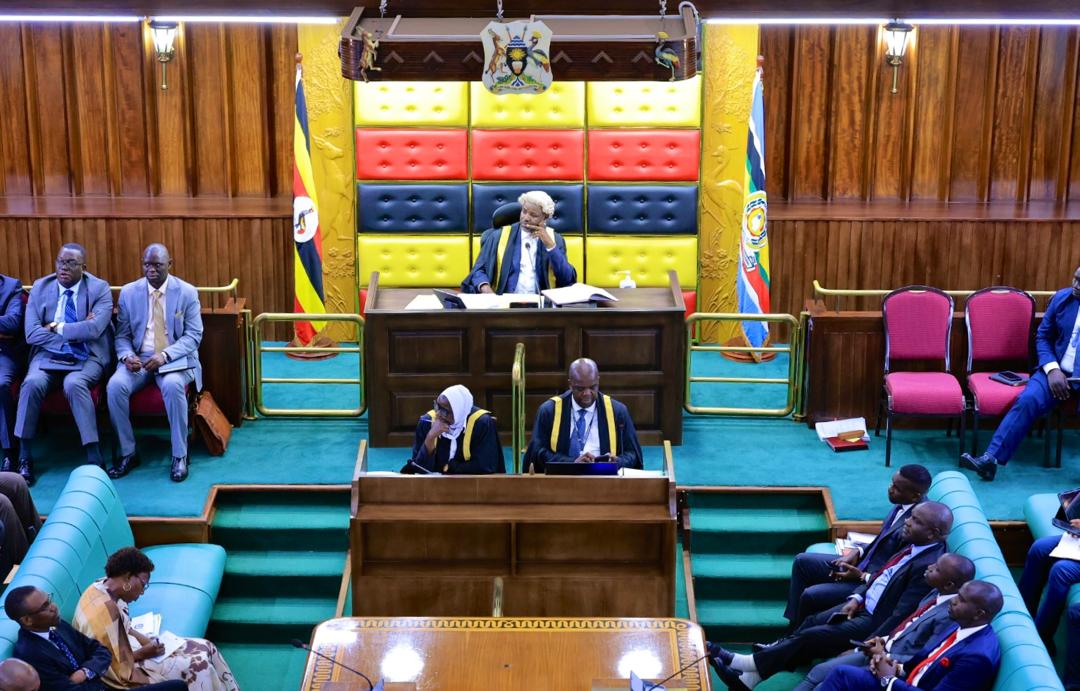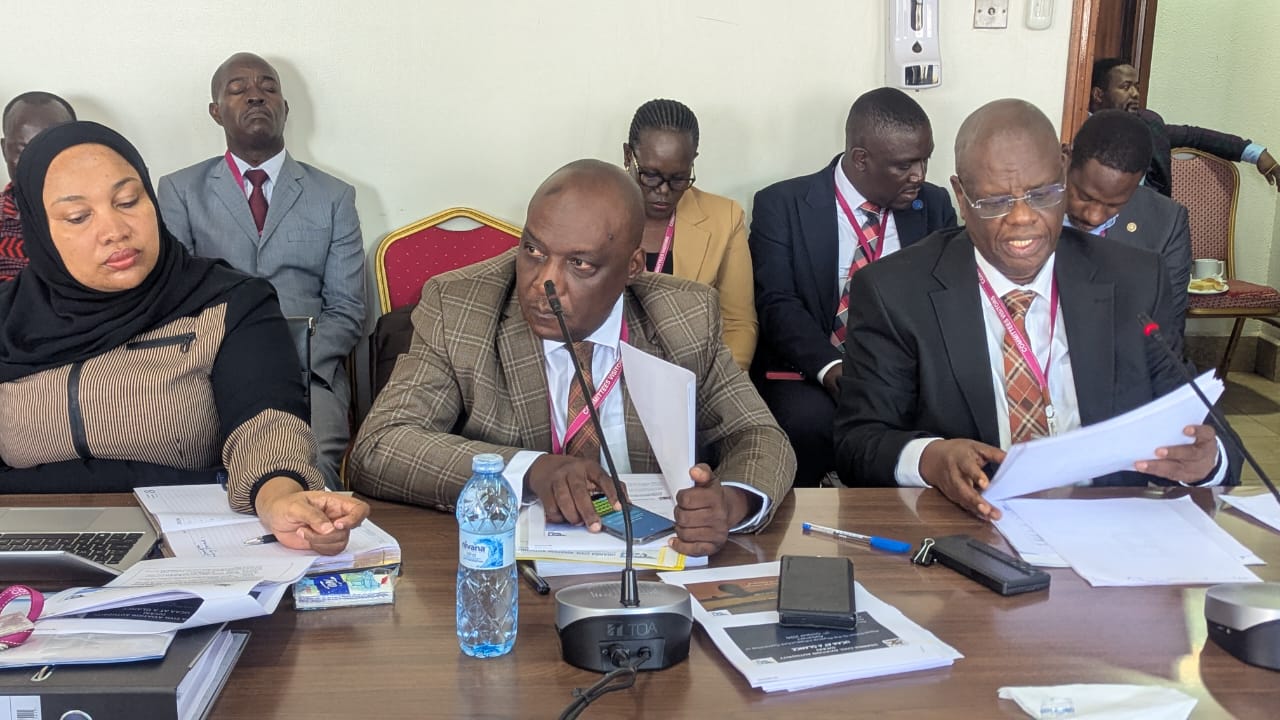
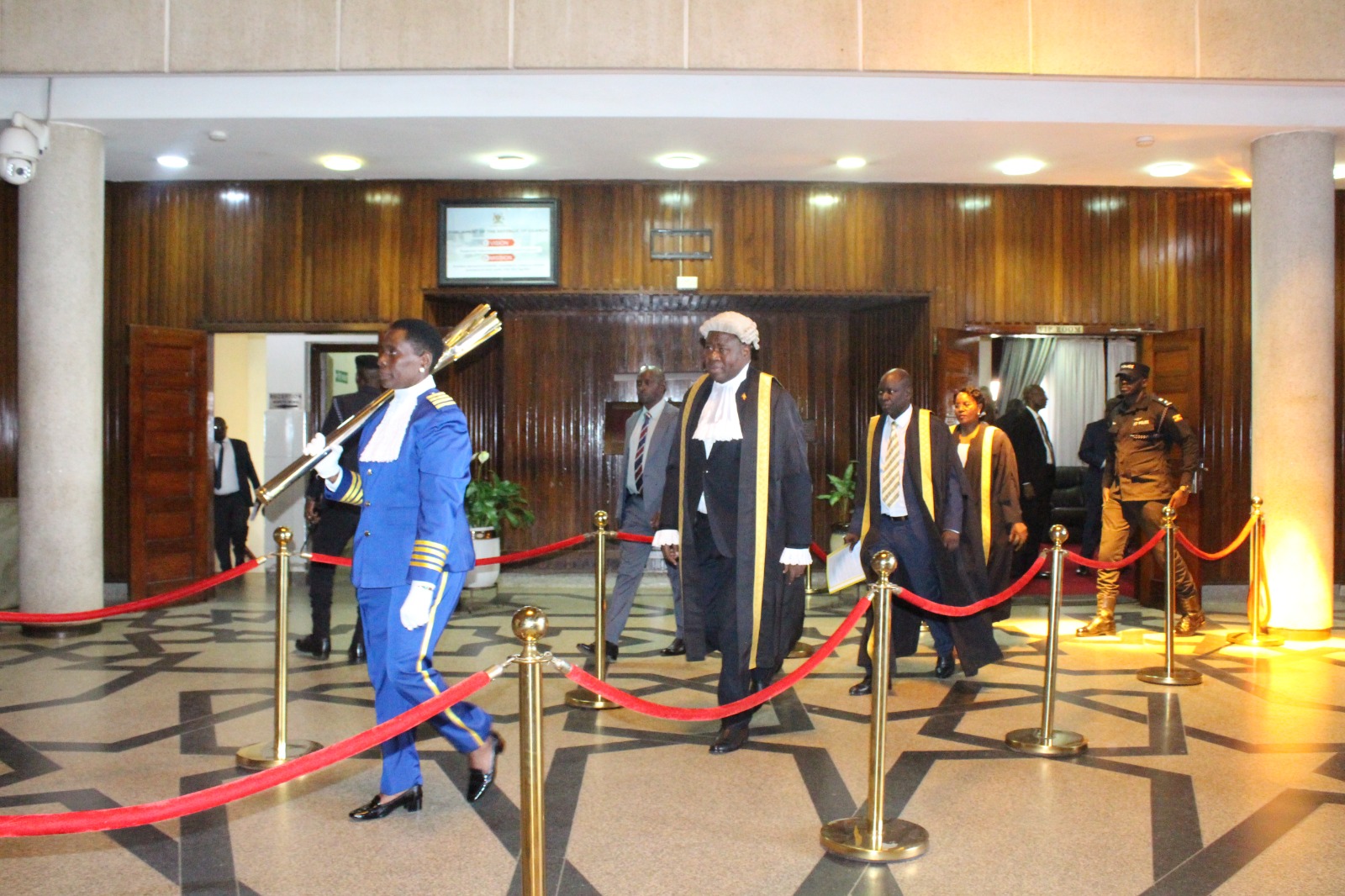
Speaker Jacob Oboth-Oboth has raised concern over the lack of quorum on several parliamentary committees, warning that the problem is undermining Parliament’s oversight role and delaying its work.
Speaking to journalists before the start of a plenary sitting on Friday, Oboth-Oboth said his office had received numerous complaints about the uneven distribution of Members of Parliament across committees.
“I have received complaints that some committees do not have the required quorum, while others are overcrowded,” he said.
He said Parliament cannot effectively hold the executive accountable if some committees fail to meet because they lack the minimum number of members required to conduct business.
He urged MPs to follow the proper procedures when expressing interest in committee assignments, saying service on both sectoral and standing committees is an important constitutional responsibility.
Oboth-Oboth noted that although some committees attract little interest, MPs should be willing to serve wherever they are assigned in the national interest.
“I remember when I first came to Parliament, I served on the committee on Government Assurances and also attended meetings of other committees,” he said.
He said overcrowding on a few popular committees has made it difficult for other committees to function because they cannot raise the required quorum. He added that ex officio members are also entitled to participate in committee work.
The Speaker further expressed concern that the expertise of some legislators is not being fully utilised because they are assigned to committees that do not match their professional backgrounds.
He cited Sheema Municipality MP Dicksons Kateshumbwa and Otuke County MP Paul Omara as examples of legislators who could make valuable contributions to the committee on Finance, Planning and Economic Development because of their knowledge and experience.
Mukono Municipality MP Betty Nambooze Bakireke blamed favouritism for the imbalance in committee membership.
She said some MPs prefer particular committees because they believe they offer more opportunities for foreign travel, workshops and allowances.
Kampala Woman MP Shamim Malende urged legislators to serve on committees that match both their interests and professional qualifications.
She said this would strengthen Parliament’s oversight role and improve accountability across government.
Bukooli County Central MP Solomon Silwanyi called on MPs to submit their curriculum vitae to their respective party whips so that committee appointments can be based on competence.
He also urged leaders to complete the committee selection process quickly to avoid delaying parliamentary business.
In response, the speaker said the Office of the Clerk has already compiled a detailed report on committee membership.
He said the Parliamentary Commission, which is expected to meet next week for the first time, will consider the report so that committees can begin work without further delay.
Once approved, MPs will be assigned to the existing sectoral committees, while independent legislators who apply through the clerk will be allocated positions on Parliament’s 15 standing committees.