By Sheila Catherine Abamu
A familiar and heartbreaking scene plays out across Uganda every week. A husband dies.
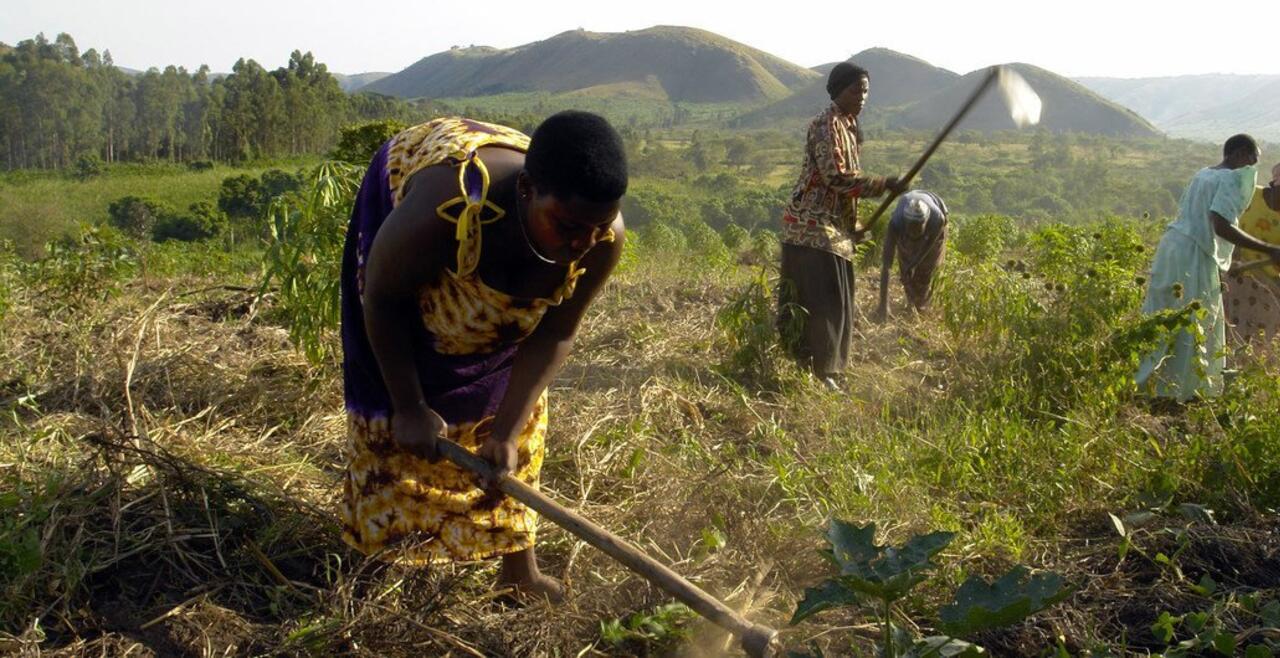
Within days of his burial, his widow, who has farmed the family land, raised children there and contributed to the household for decades, finds herself facing relatives seeking to take over the property.

Many of these women have no land titles, no letters of administration and no legal representation. What they often have is a lifetime of unrecorded contribution and a legal system that can be difficult to navigate.
Discussions about women’s land rights in Uganda often focus on the perceived lack of legal protections. Yet Uganda’s legal framework is, on paper, relatively strong.
The Constitution guarantees equality and the right to own property. The Land Act contains important safeguards, including Section 40, which requires spousal consent before transactions involving family land can proceed.
The Succession (Amendment) Act, 2022, also strengthened protections for surviving spouses. The law protects the principal residential holding and seeks to ensure that a widow is not unlawfully evicted from her matrimonial home by extended family members.
However, legal reforms alone have not eliminated the challenges many women face. In practice, the reality on the ground often differs from the protections provided under the law.
An estimated 80 per cent of Uganda’s land is held under customary tenure. Much of this land is unregistered and governed through customary practices and community structures.
Although Section 27 of the Land Act invalidates customs and practices that deny women and children access to land, discriminatory practices continue to affect many communities.
As a result, many widows rely on social recognition rather than formal ownership documents to secure their interests in land. This can leave them vulnerable when disputes arise following the death of a spouse.
The challenge Uganda faces today is not only about the existence of laws. It is also about enforcement, public awareness and access to justice.
A legal protection that is unknown, inaccessible or too costly to pursue offers little practical assistance to those who need it most.
Addressing this gap requires a stronger focus on implementation. Existing laws provide mechanisms that can offer immediate protection in some situations.
For example, the Domestic Violence Act recognises economic abuse, including actions that deprive a person of access to a shared home or property.
Where a widow faces the threat of eviction, legal remedies available under the Act may help secure continued occupation of the home while broader succession and property disputes are being resolved through the appropriate legal processes.
Professionals working in the financial, legal and property sectors also have a role to play. Bankers, lawyers, government officials and property dealers influence decisions that affect land ownership and property transactions every day.
Whether processing a mortgage, facilitating a land sale or providing legal advice, these actors can help strengthen compliance with existing legal protections and promote greater respect for women’s property rights.
Uganda has made significant progress in developing laws aimed at protecting women’s land rights. The task now is to ensure those protections are understood, enforced and accessible to those they were designed to serve.
Only then can the country move from legal guarantees on paper to meaningful protection in practice, ensuring that ownership rights reflect both legal entitlement and the realities of contribution and family life.
The writer is Sheila Catherine Abamu, Legal Manager at KCB Bank Uganda Ltd.