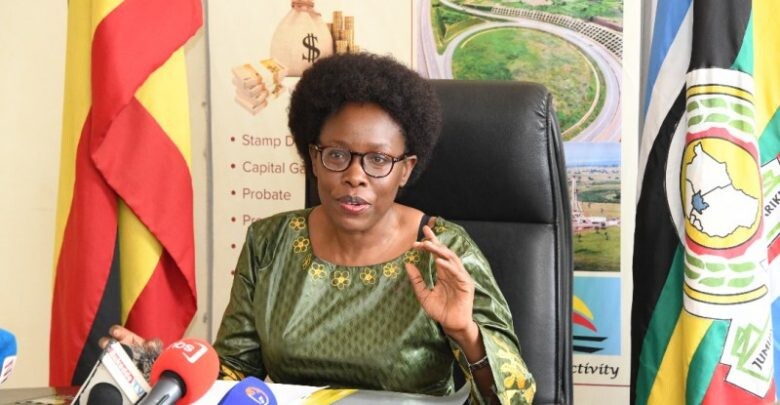
The Minister of Lands, Judith Nabakooba, has defended the government’s decision to stop current Local Council chairpersons from participating in land transactions, warning that those involved in illegal land dealings will eventually be held accountable.
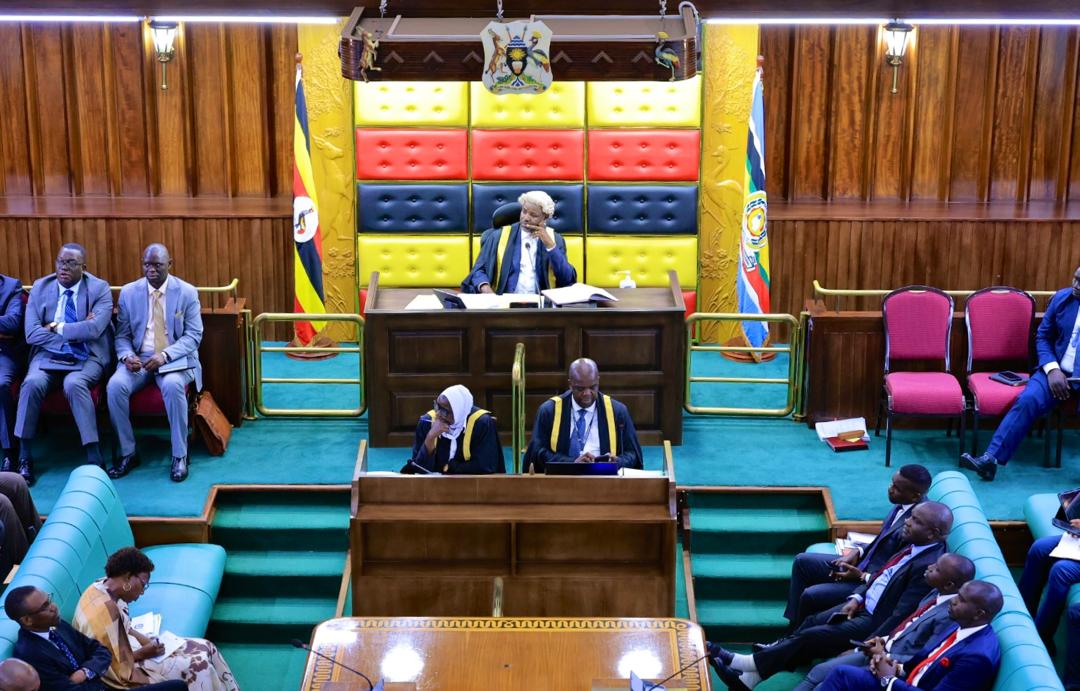
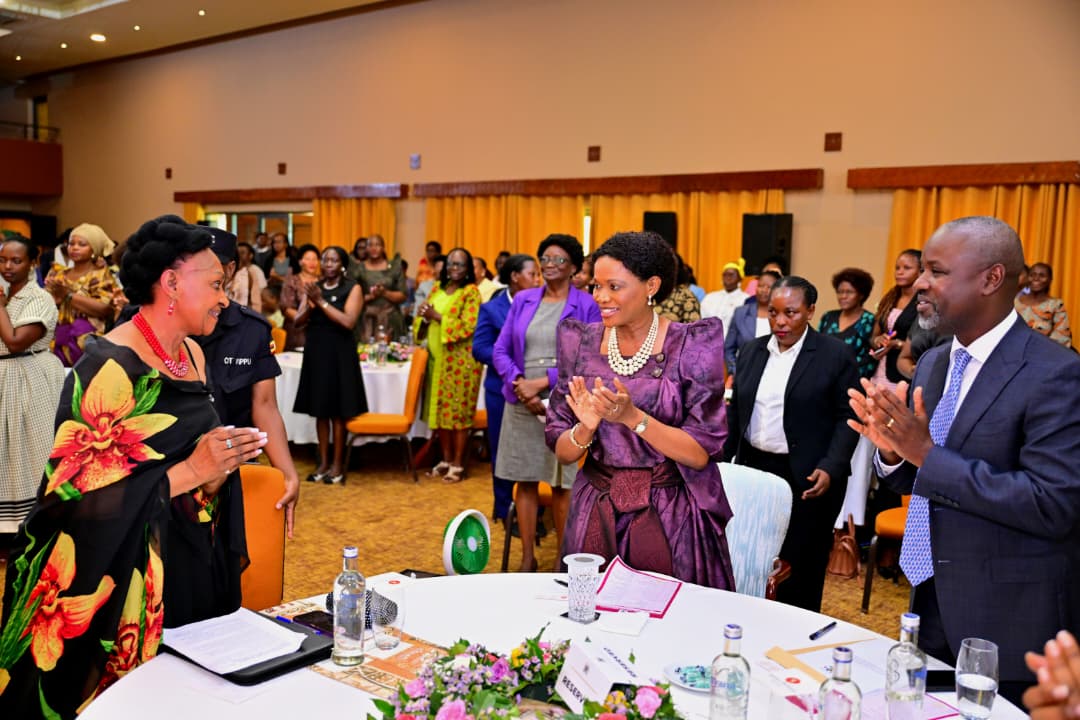
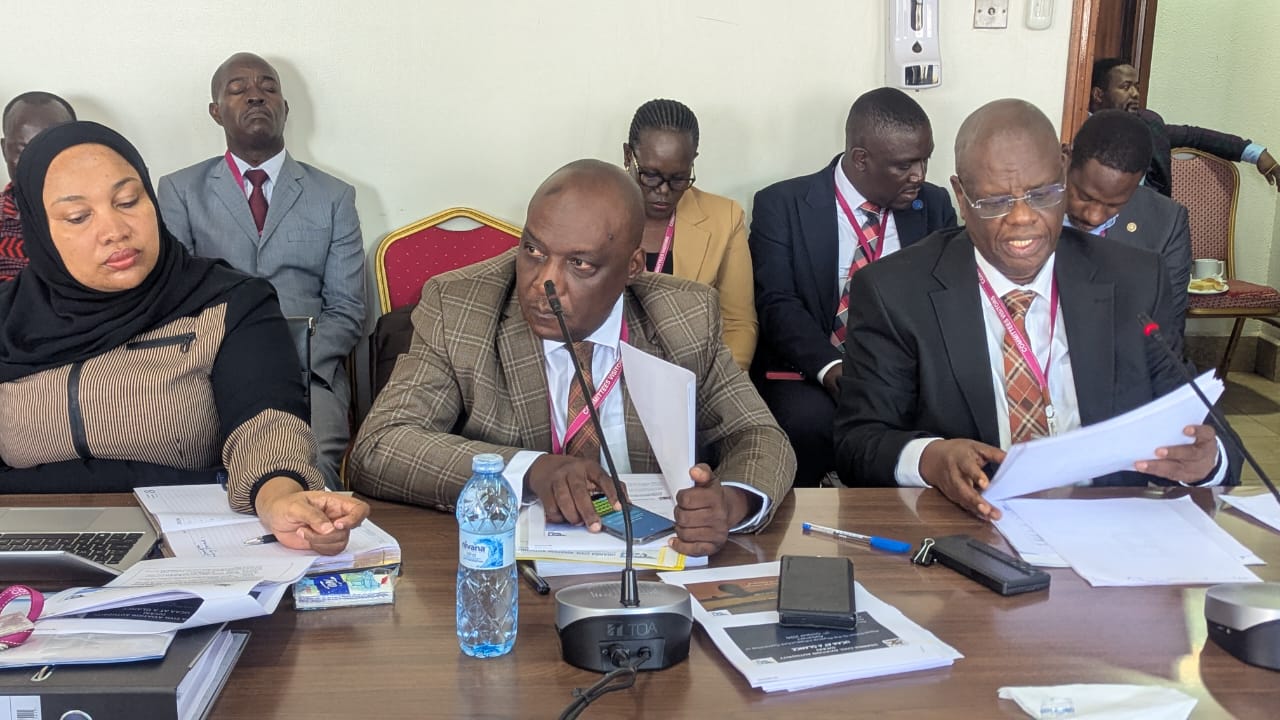
Nabakooba made the remarks while opening an orientation programme for newly elected Members of Parliament on land governance at Parliament.
She said some local leaders had rushed into land transactions believing they would leave office before being held responsible for their actions.
“Some people think they can engage in illegal land transactions and disappear after leaving office. This is a serious warning that even if you engage in illegal land deals today, government has the capacity to trace you later and hold you accountable for your actions,” Nabakooba said.
She said the government remains committed to cleaning up the land sector, which has for years been plagued by fraud, illegal evictions and corruption.
Nabakooba also announced that the government is considering reviewing the National Land Policy, saying the current policy, which was adopted in 2013, no longer adequately addresses emerging land challenges.
“We made significant reforms through the National Land Policy in 2013. However, new challenges have emerged and it is now time to review the policy so that it responds to the current and future needs of the country,” she said.
The orientation was held under the theme, “Strengthening Land Governance for Inclusive Development, Tenure Security and Sustainable Land Use in Uganda.”
Addressing the legislators, Nabakooba reminded them that Parliament has a critical role in shaping Uganda’s land governance framework through legislation, oversight and budget approval.
“The trust placed in us is both a great honour and a great responsibility. Our work in Parliament will determine the direction of our country and the wellbeing of our people and communities,” she said.
She described the engagement as timely, saying it would equip MPs with a better understanding of Uganda’s land governance system, emerging land-related challenges and the role Parliament plays in promoting fair, transparent and sustainable land management.
According to the minister, the meeting also provides an opportunity for dialogue between legislators and key stakeholders on policy and legislative priorities in the land sector.
Nabakooba said land remains one of Uganda’s most valuable national resources and that the way it is governed has a direct impact on peace, justice, investment, agricultural productivity and inclusive national development.
She explained that Uganda’s land governance system is anchored in the Constitution and supported by laws, policies and institutions responsible for land ownership, administration, planning and dispute resolution.
She said the Ministry of Lands provides policy leadership for the sector, while the Uganda Land Commission (ULC) is mandated to manage government land both within and outside Uganda.
The minister added that the ministry works with district land boards, area land committees and land administration offices across the country to manage land registration, administration and dispute resolution.
Despite these structures, Nabakooba acknowledged that the sector continues to face serious challenges.
She cited illegal evictions, land grabbing, double titling, corruption, tenure insecurity, fraudulent land transactions, land fragmentation and environmental degradation as some of the biggest problems affecting the country.
“These challenges continue to affect livelihoods, delay investments and undermine public confidence in our land administration institutions,” she said.