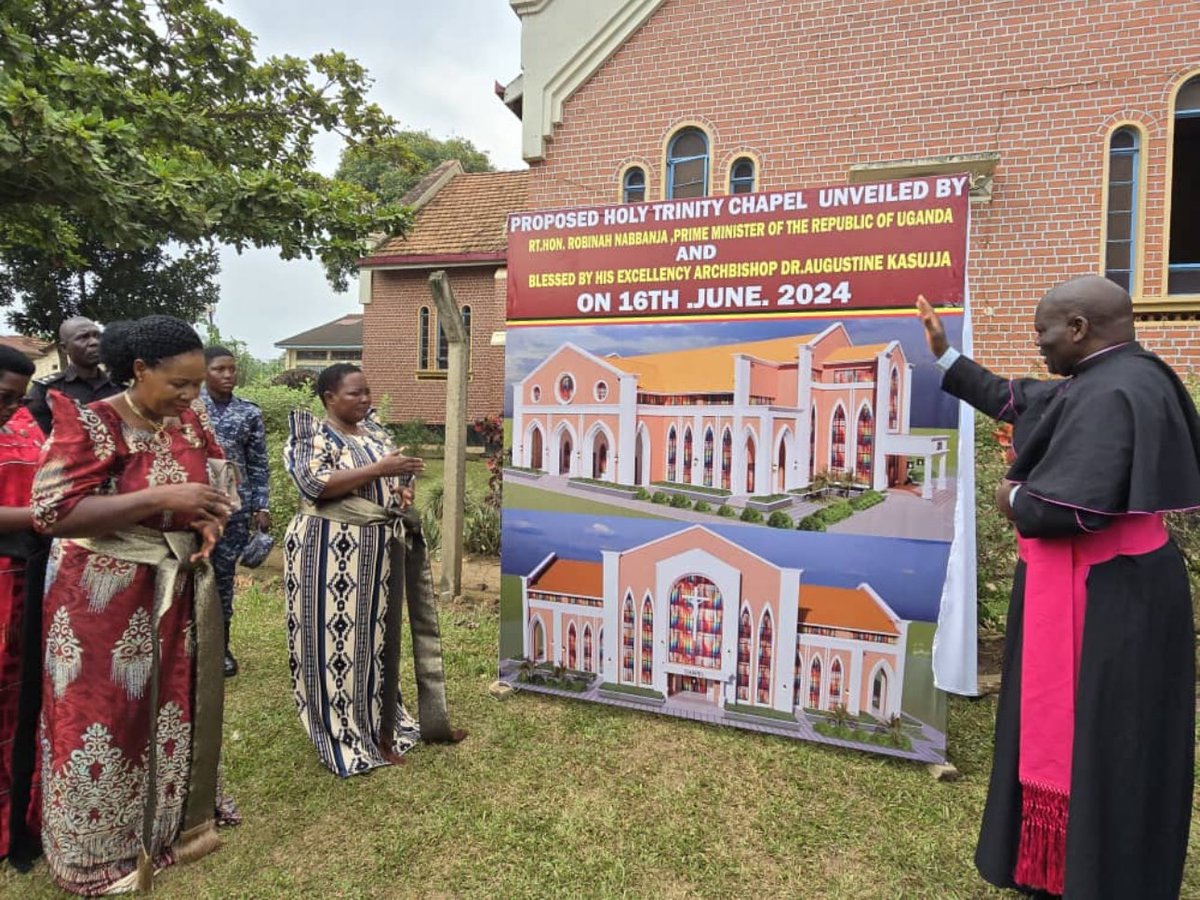
MPs on the Public Accounts Committee (Local Government) have questioned the management of Trinity College Nabbingo over the construction of a new chapel estimated to cost Shs6.9 billion, saying the project appeared different from what was contained in the Auditor General’s report for the 2024/25 financial year.
The committee, led by its chairperson, Betty Nambooze, visited the school on Monday afternoon as part of its follow-up on queries raised in the Auditor General’s report.
The visit came shortly after the committee made an impromptu inspection of Kawempe Muslim Secondary School last week, where MPs also followed up on issues raised in the Auditor General’s report.
Several Muslim leaders had questioned the MPs’ motive for visiting Kawempe Muslim and wondered why they were not scrutinising other government-aided schools.
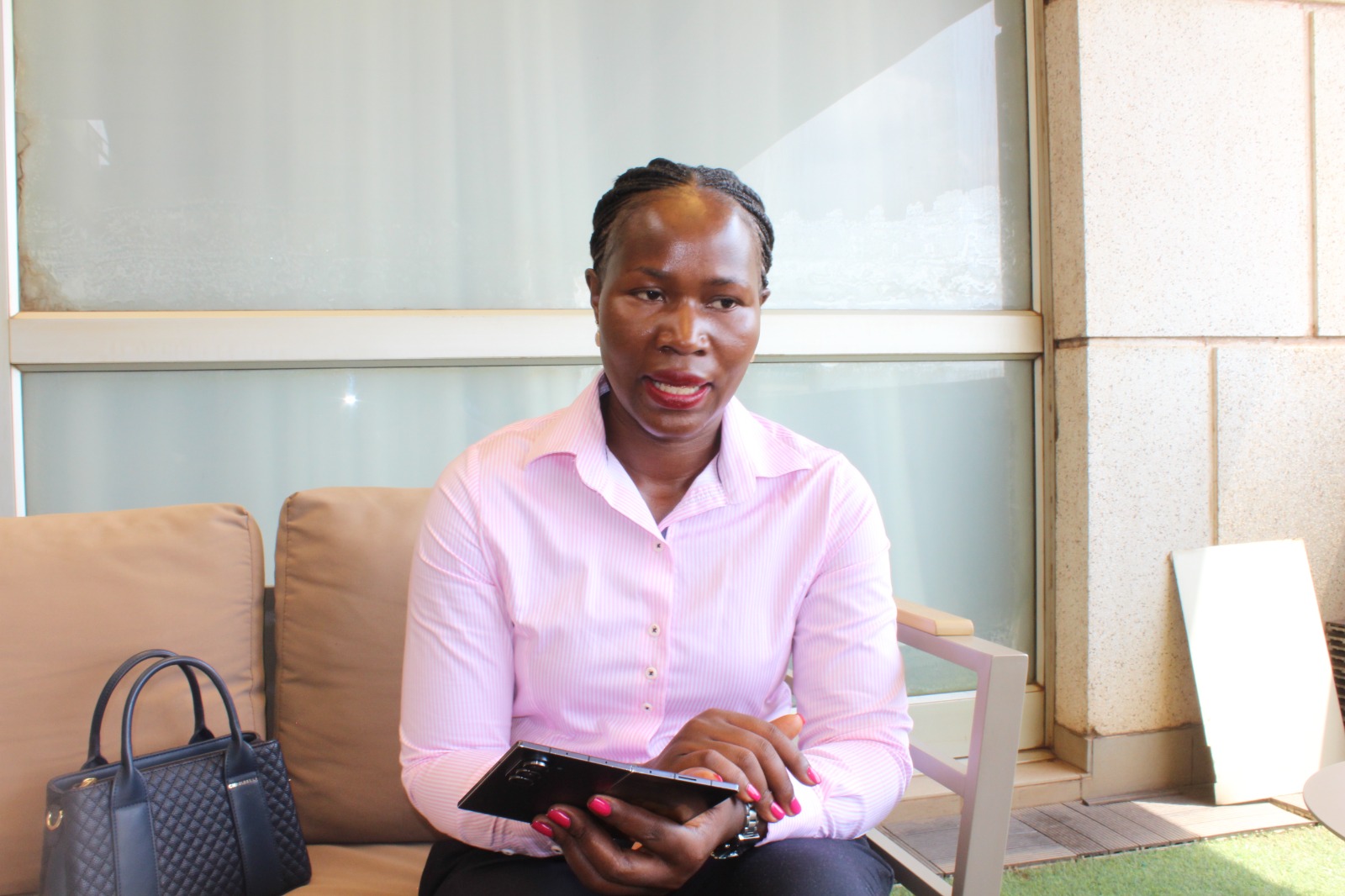
At Trinity College Nabbingo, the MPs initially did not find the headteacher, Immaculate Lwanga Nassozi, in her office. School officials told them that she was attending to another engagement.
The absence of the headteacher did not stop the committee from beginning its work. The MPs instead toured some of the school projects referred to in the Auditor General’s report as they waited for her to return.
One of the main areas of interest was the school’s chapel, which is under construction.
The MPs were surprised to find that the school was constructing an entirely new chapel, yet the Auditor General’s report had referred to the expansion of an existing structure.
“In the report, you requested an expansion, yet we see a completely new church. We want you to honour God, but you must follow the law. Why did you build a new church when the report said you were going to expand? Where is the old church that was supposed to be expanded?” Nambooze asked.
Why does Kawempe Muslim SS pay Shs 2m in fees? Nambooze tasks headmistress [Video]
The school’s bursar, Dan Paul Muyanja, explained that the old chapel could no longer accommodate the growing number of students.
He said consultants who assessed the structure advised the school that demolishing it and constructing a new chapel was a better option than expanding the old one.
“We followed the law in the construction. We informed the Ministry of Education and Sports, the Ministry of Finance and the Archbishop because we had been advised that the old structure was not fit for expansion,” Muyanja told the MPs.
According to the school officials, the original project was expected to cost about Shs2 billion. However, the new chapel is now estimated at Shs6.9 billion and is expected to be completed in 2027.
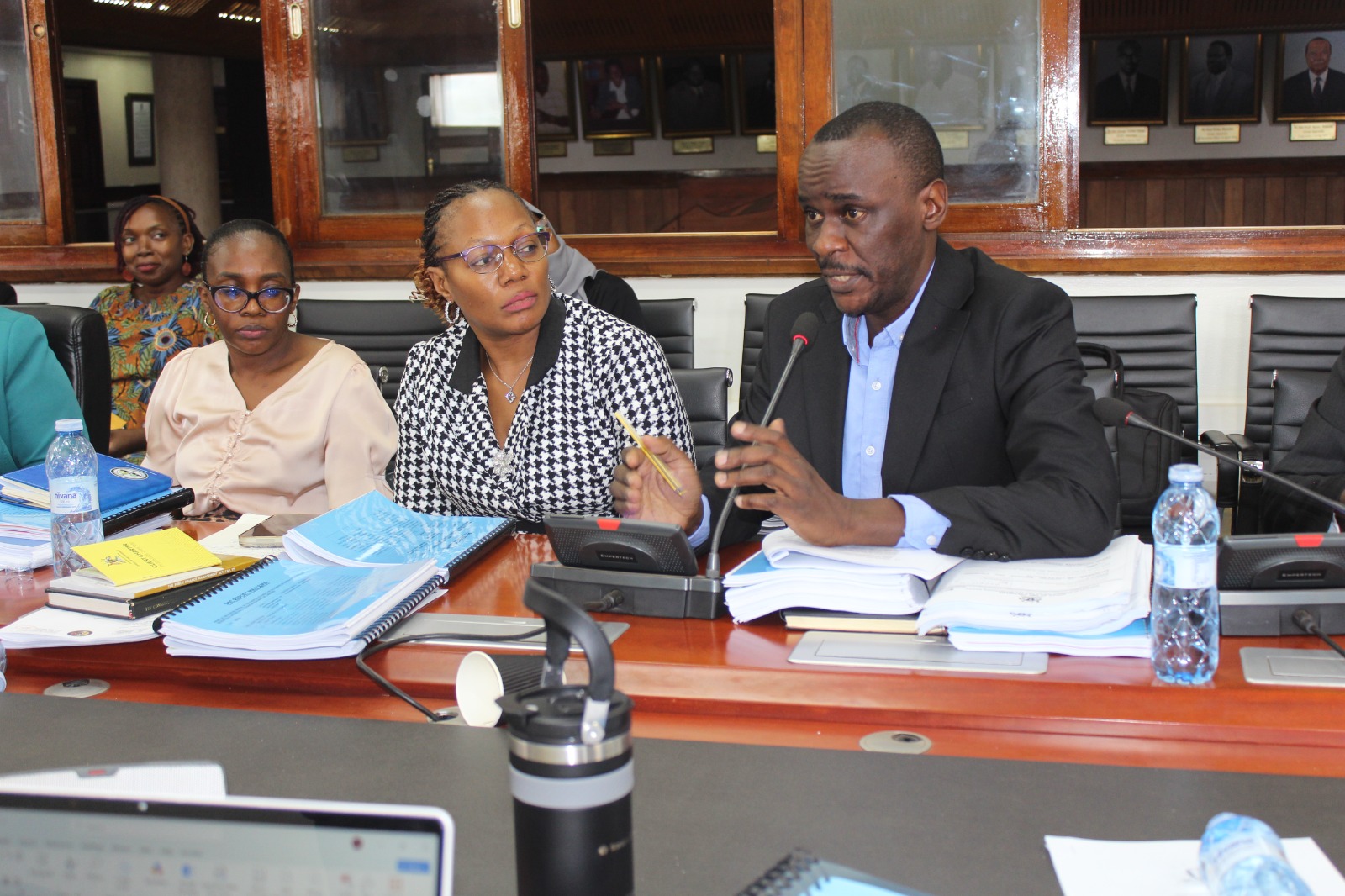
When Lwanga later arrived at the school, the committee began a formal meeting with the school management and raised questions about the chapel and other issues contained in the Auditor General’s report.
Nambooze questioned whether the expensive chapel project would eventually force the school to increase tuition and other charges paid by parents.
“Won’t this new chapel cause an increase in the school fees?” Nambooze asked.
Lwanga assured the committee that students’ fees would not be increased because of the chapel project. She said the school had other sources of funding, including support from donors and friends of the institution.
“We assure you that the fees won’t increase because of the church, because we have other avenues like donors and friends. Besides, we shall be organising a fundraising event for the above,” Lwanga said.
Nambooze, however, criticised the school over what she described as unnecessary charges imposed on students.
“You are charging a lot of fees and discouraging many from joining this school because of unnecessary charges. You charge students for sanitation, capital development, and some of these must stop,” Nambooze told the school management.
Lwanga responded that most of the charges had been approved by the school’s Board of Governors before she became headteacher.
“All charges were passed by the BOG even before I came. I have little to do with some of them, but they are all necessary,” she said.
The committee also raised concerns over asbestos roofing on some of the school’s buildings.
The Auditor General’s report had identified structures with asbestos roofing and recommended that the hazardous material be removed.
The MPs questioned why the school had not treated the removal of the asbestos as an urgent matter, given the known health risks associated with exposure to asbestos.
“You still have structures that have asbestos, and you know very well that this is dangerous. Why not make this a priority matter?” the MPs asked.
Lwanga told the committee that the school had sought assistance to replace the asbestos roofs. She said the Prime Minister, Robinah Nabbanja, had promised to provide the school with iron sheets, but the materials had not yet been delivered despite the school writing to her office.
The school management presented a letter to the committee showing its communication on the matter. The committee subsequently referred the issue to the Parliamentary Committee on Government Assurances for follow-up.
Trinity College Nabbingo currently has about 2,380 students. Each student pays Shs2.075 million in school fees, according to figures presented to the committee.