The High Court has ordered Uganda Revenue Authority (URA) to pay Babaana Children of Uganda, a children-centred NGO, Shs 1.66 billion after the tax body unlawfully sold off donated medical equipment that had been imported from Switzerland to establish a specialised clinic in Uganda.
Justice Bernard Namanya ruled that URA failed to follow the law before disposing of the equipment and could not properly account for what happened to the goods after they were placed under customs control.
Babaana Children of Uganda is a Ugandan charity that has been operating since at least 2017, partnering with donors in Switzerland to improve the lives of vulnerable children through health and social support programmes.
The organisation has been working to establish a specialised clinic in Naguru equipped with modern medical technology to provide affordable healthcare while generating income to fund its charitable activities.
The dispute dates back to 2017 when Babaana Children imported donated medical equipment and assorted supplies valued at Shs 1.46 billion.
The organisation planned to use the equipment to establish a clinic in Naguru that would provide specialised but affordable healthcare while generating income to support vulnerable children.
Before the equipment arrived in Uganda, the organisation applied for a tax exemption through the Ministry of Health.
URA approved the exemption for the hospital equipment and medical supplies, but informed the charity that other items such as toys, shoes, milk, toilet supplies, and office supplies would still attract taxes.
After the shipment arrived, it was placed in a bonded warehouse on December 11, 2017, but the construction of the clinic had not been completed.
On September 6, 2018, one day before the statutory warehousing period expired, Babaana Children wrote to URA asking for an extension until December 2018 so that the clinic building could be completed. URA never objected to the request.
The organisation later returned to begin clearing the goods, only to be informed that they had been disposed of.
It maintained that even after the alleged disposal, URA officials continued assuring it that the equipment was still available and even invited it to nominate a representative to receive the goods.
Despite meetings and several exchanges of letters, the equipment was never recovered. It took the matter to court.
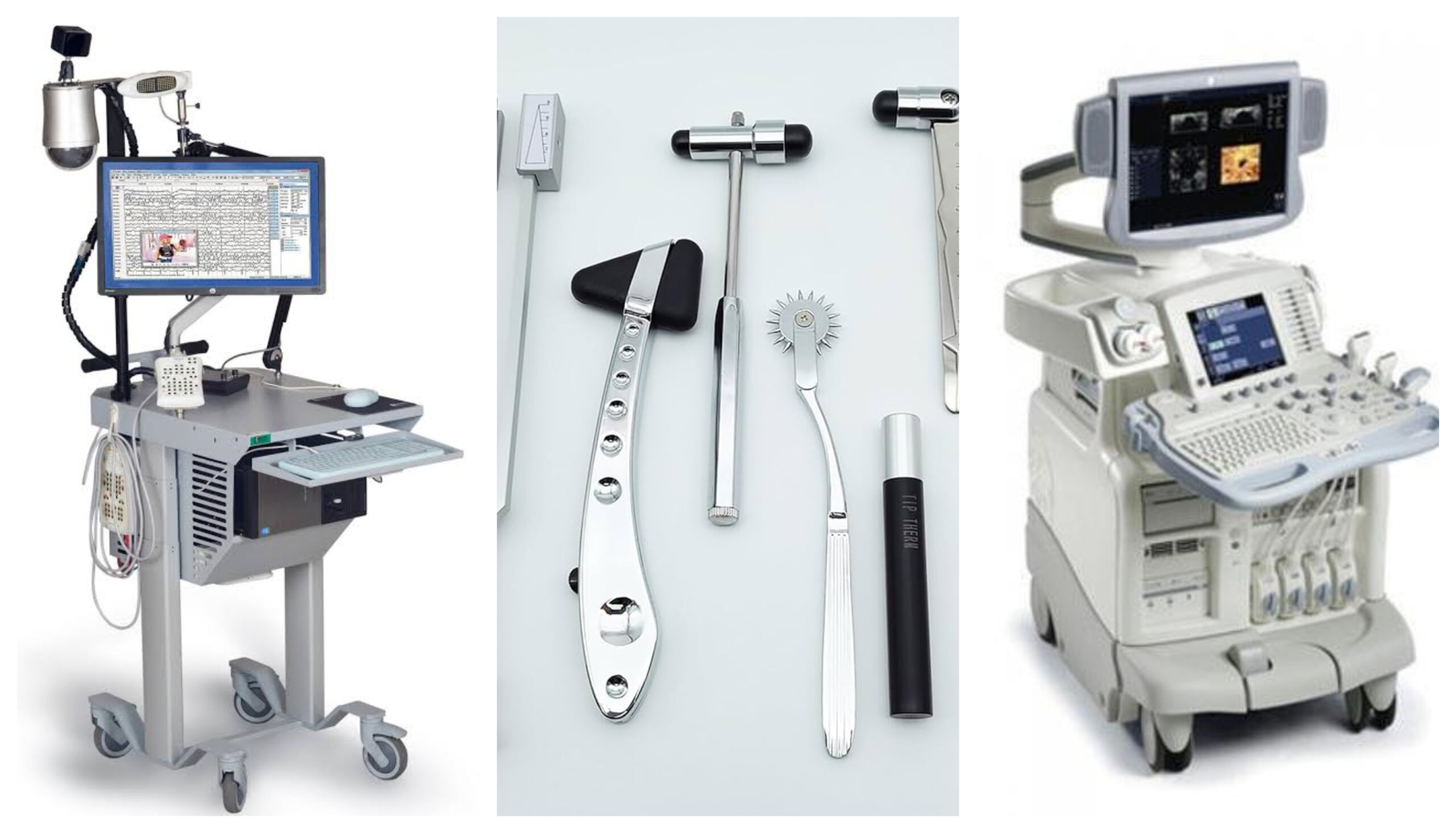
In court, one of Babaana Children’s directors of the charity organisation, Renata Schroeter, said that the equipment had been donated from Switzerland and included sophisticated medical machines such as digital ultrasound equipment, electroencephalogram machines, neurological examination equipment, and specialised children’s psychiatric and occupational therapy equipment.
She said the project would have transformed access to specialised healthcare in Uganda while supporting vulnerable children.
Schroeter testified that losing the equipment frustrated both the charity’s humanitarian mission and its investment plans, adding that the organisation lost billions of shillings in income because the clinic never opened.
Another director, Dr John Khaukha, said that after seeking an extension of the warehousing period, the organisation believed the goods were safe.
He said URA later informed the charity that the goods could still be collected, but it eventually emerged that they had already been disposed of.
Dr Khauka also revealed that URA had at one stage offered to settle the matter for about Shs 2.5 billion, but the organisation rejected the offer because it considered the amount inadequate.
URA’s only witness was Fiona Tubeine, a manager in the Customs Department, who said that the authority had acted lawfully throughout the process.
Tubeine said the East African Community Customs Management Act allowed goods to remain in a bonded warehouse for only nine months and that the period expired on September 7, 2018.
She said Babaana Children neither cleared the goods nor paid taxes on the non-exempt items, and did not formally apply to redeem them before disposal.
During submissions, the charity’s lawyers argued that URA unlawfully disposed of tax-exempt medical equipment without following the procedures required by law.
They also questioned how equipment worth more than Shs 1.46 billion could allegedly have been sold for only Shs 4 million.
But URA’s lawyers responded that the goods had been lawfully disposed of after the statutory warehousing period expired.
They argued that the organisation had failed to clear the goods, pay taxes on the dutiable items or redeem them within the time provided by law.
Shoprite ordered to pay over 600m to Ugandan managers it left behind when it exited
Justice Namanya first agreed with URA on one legal point and upheld a preliminary objection that Babaana Children had attempted to rely on the tort of conversion during submissions, even though it had not pleaded that claim in its amended plaint.
However, he found that this did not determine the main dispute, noting that although the law limited warehousing to nine months, the charity had written to URA requesting an extension before the period expired, and there was no evidence that URA ever responded to that request.
“I therefore find that [URA] sold [Babaana Children’s] equipment without issuing the statutory one-month notice required by law. Had such notice been issued, the plaintiff would have been allowed to take remedial action,” Justice Namanya said.
He was also troubled by the huge difference between the value of the goods and the alleged selling price.
He observed that goods valued at about Shs 1.46 billion were said to have been sold for only Shs 4 million, yet URA offered no satisfactory explanation for the difference.
He further noted that the customs exit note referred to worn clothing weighing 2,500 kilogrammes instead of the 6,600 kilogrammes of specialised medical equipment imported by the charity.
Justice Namanya added that URA also failed to produce a valuation report before the alleged auction and failed to account for the proceeds of the sale as required by law.
“I find that [URA] unlawfully sold the goods and is liable to compensate [Babaana Children] for the loss and damage suffered,” he said.
However, while assessing damages, Justice Namanya rejected the charity’s claim for more than Shs 17.2 billion because the insurance assessment report relied upon had not been proved by its authors.
Instead, he awarded compensation based on the admitted value of the donated goods, approximately Shs 1.46 billion.
He also awarded Babaana Children Shs 200 million in general damages, saying the unlawful disposal denied Ugandans access to modern medical services and frustrated a charitable healthcare project.
Summing up the case, Justice Namanya said the evidence clearly showed that URA had failed to comply with the law before disposing of the goods.
“[URA] did not prove issuance of the mandatory statutory notice before sale; the goods valued at approximately Shs 1.46 billion were allegedly sold for only Shs 4 million without a satisfactory explanation or valuation report… These failures show that [URA’s] disposal of the goods was unlawful and caused [Babaana Children] compensable loss,” he concluded.