
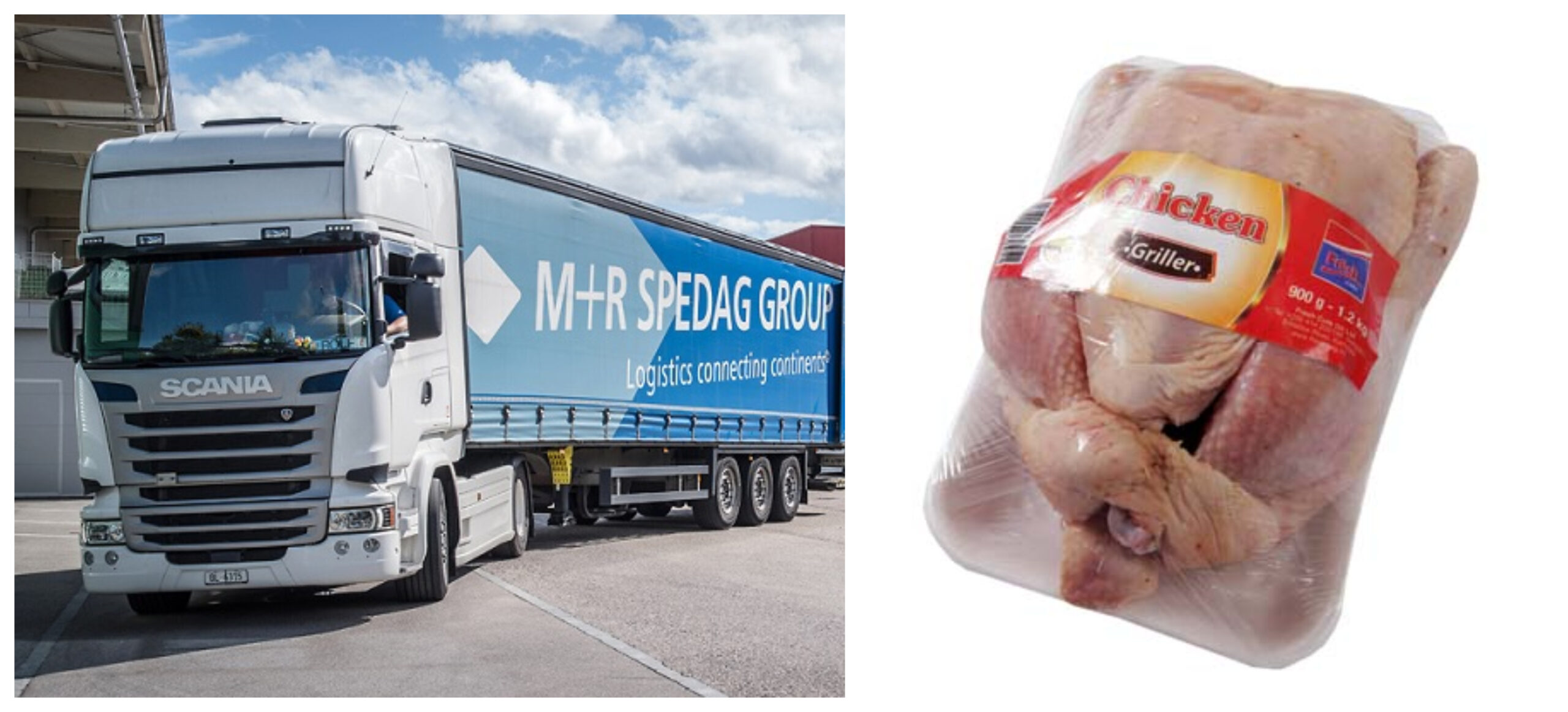
The High Court has ruled that Spedag Interfreight, a courier company, was right to sell a consignment of frozen chicken that had been entrusted to it by Fresh Cuts after the importer failed to pay transport charges.
Justice Susan Abinyo dismissed Fresh Cuts’ lawsuit in its entirety and instead awarded Spedag more than Shs100 million in general damages, transport-related charges, interest and legal costs.
In 2019, Fresh Cuts hired Spedag to clear and transport imported chicken from Europe to Uganda. One consignment originated from Tamaco International in Denmark, while another came from Devro SRO in the Czech Republic.
Fresh Cuts argued that the parties had agreed that payment for transport services would be made 30 days after delivery of the goods.
The company said Spedag honoured that arrangement for the first shipment but later refused to release the second consignment of frozen chicken unless it was paid immediately.
According to Fresh Cuts, Spedag breached the contract by withholding the cargo and later selling it to one of its competitors without first obtaining a court order.
Spedag maintained that there were two separate transport contracts, not one as claimed by Fresh Cuts.
It argued that the Devro shipment had been completed successfully and paid for, while the Tamaco shipment was governed by a different quotation requiring “100% payment against the invoice before release of cargo.”
Spedag told the court that Fresh Cuts later applied for a credit facility, but the application was rejected after a credit assessment found the company was not creditworthy. By then, however, the transport contract was already in operation.
The courier firm argued that because Fresh Cuts never paid its invoice, it exercised its contractual right of lien by retaining possession of the frozen chicken.
Since the goods were perishable and storage costs continued to accumulate, it eventually sold the consignment to reduce its losses and recover part of the outstanding charges.
Fresh Cuts’ managing director, Amos Tindyebwa, told court that the parties agreed during telephone discussions that payment would be made 30 days after delivery or within 60 days from the date the contract was formed.
He said if Spedag had informed Fresh Cuts that it would not honour those terms, the company would have hired another transporter.
He also testified that Spedag breached the agreement by refusing to release the frozen chicken unless it received payment first and later sold the goods without a court order.
Tindyebwa asked the court to award compensation for the value of the imported chicken, taxes paid to the Uganda Revenue Authority (URA), insurance costs and other expenses.
But Spedag’s Head of Business Development, Fred Wesonga, testified that Fresh Cuts was wrongly combining two different contracts into one case.
Wesonga explained that the Devro shipment was completed and paid for separately, while the Tamaco shipment had clear payment terms requiring full payment before cargo could be released.
He told the court that the quotation expressly created a contractual lien over the cargo until payment was made in full and incorporated Spedag’s general terms and conditions.
According to Wesonga, there was never any agreement giving Fresh Cuts 30 days’ credit. Instead, Fresh Cuts merely inquired about obtaining credit and was advised to submit a written application, which was later rejected.
Fresh Cuts was represented by lawyer Solomon Sebowa of SK Sebowa & Co. Advocates, while Raymond Aruho of Raymond Aruho & Co. Advocates appeared for Spedag.
Court orders brother to refund his sibling Shs 1 billion after family apartment deal goes south
After hearing both sides, Justice Abinyo agreed that there were contracts covering both consignments but found that the Devro contract had already been completed and paid for.
She said Fresh Cuts accepted the Tamaco contract through its conduct by submitting shipping documents and allowing Spedag to proceed with transportation.
“The actions of [Fresh Cuts] in submitting the said documents though it did not sign the quotation in DE5, amount to acceptance by performance, and or conduct, which confirms the existence of the contract,” she said.
On the question of payment, she rejected Fresh Cuts’ claim that the parties had agreed to a 30-day credit arrangement.
Justice Abinyo said the failure by Fresh Cuts to honour their obligation of payment upon the invoice was a breach of the contract, adding that Spedag was right to retain and later sell the frozen chicken.
“[Spedag’s] retention of the cargo and sale cannot be said to have been unlawful, since it was exercised in accordance with the terms of the parties’ agreement… and the said goods were perishable in nature,” she ruled.
Having dismissed Fresh Cuts’ claim, she allowed Spedag’s counterclaim of Shs 71 million for container demurrage, electricity plug-in and storage charges.
Justice Abinyo declared that Fresh Cuts had breached the contract and awarded Spedag an additional Shs100 million in general damages, saying the company had “suffered untold financial hardship” due to Fresh Cuts’ failure to honour their obligations in the contract.