



Anthony Natif, a businessman and a self-styled advocate of good governance on social media, has been ordered to pay a Makerere University senior lecturer Shs 75 million in a land transaction dispute.
The ruling arose from a disagreement between Prof Narathius Asingwire and his wife Rovinia Asingwire on one side and Natif on the other over the sale of a piece of land in Kampala.
Natif had agreed to buy land from the Asingwires at a total price of Shs 1.05 billion.
According to the judgment, Natif paid Shs 900 million upfront, leaving a balance of Shs 150 million.
The disagreement started later when Natif claimed he had made additional payments, reducing what he owed. He said that by April 2025, the remaining balance had dropped to Shs 75 million.
However, the Asingwires disagreed. They filed a civil suit seeking Shs 90 million, insisting that Natif still owed them more than he was admitting.
At the same time, they applied to court for what is known as “judgment on admission”, a legal shortcut where a judge can order payment immediately if one party has clearly admitted owing money, without waiting for the full trial.
In their application, the Asingwires argued that Natif had already admitted owing Shs 75 million and that the court should order him to pay that amount right away.
They also asked the court to allow the remaining Shs 15 million to be decided later during the main hearing.
Natif opposed the application. He denied that he had made a clear admission and argued that the actual amount owed depended on the size of the land he received.
He told the court that the acreage of the land was smaller than what had been agreed in the sale agreement, and that this affected how much he should pay.
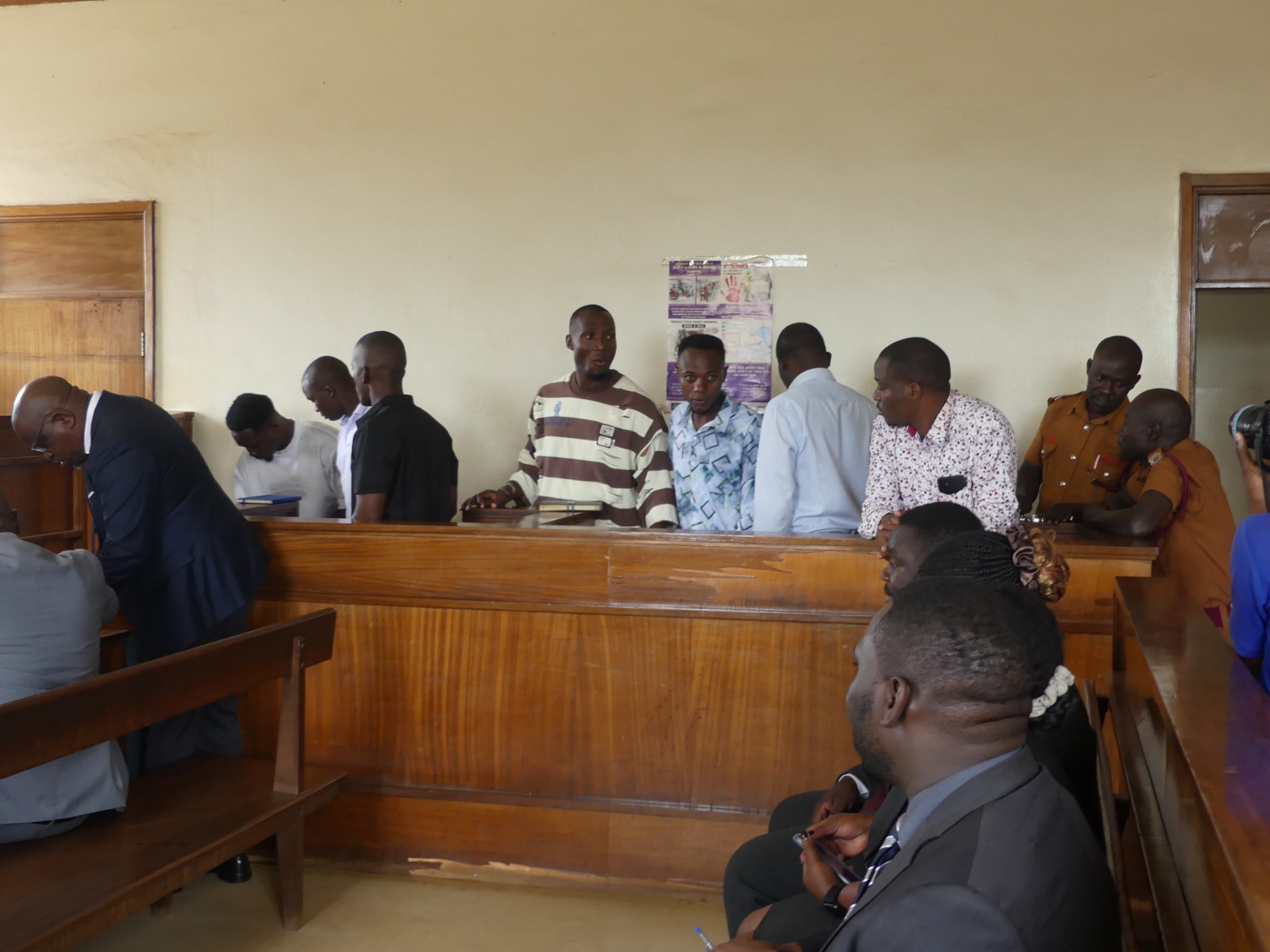
Despite this objection, Natif and his lawyer did not attend the hearing of the application on April 20, 2026.
Justice Bernard Namanya noted that they were aware of the hearing date and allowed the case to proceed in their absence.
The Asingwires were represented by lawyer Martin Asingwire, their son, who made oral submissions in support of the application.
In his ruling, Justice Namanya explained the law on judgment on admission in simple terms, saying “any party may at any stage of a suit, where an admission of facts has been made, apply to the court for such judgment without waiting for the determination of any other question between the parties.”
However, he stressed that such an admission must be very clear.
“The position of the law is that before entering a judgment on admission, the court must be satisfied that the admission by a party is clear, plain, obvious, and unambiguous. The admission must leave no room for doubt,” he said.
Justice Namanya then closely examined Natif’s own defence in the main case. In that defence, Natif had stated that after making payments, the balance remaining was Shs 75 million. He said this statement amounted to a clear admission on the part of Natif.
He rejected Natif’s later attempt to deny it in his affidavit, saying a party cannot contradict what they have already stated in their formal pleadings.
“It is my finding that the respondent’s admission to pay Shs 75,000,000 to the applicants is clear, plain, obvious, and unambiguous. There is no room for doubt,” he ruled.
On the question of whether the case involved a loan, Justice Namanya made it clear that it did not. The dispute arose from a land sale agreement, making it a business transaction rather than a borrowing arrangement.
In the end, he ruled in favour of the Asingwires and directed that the issue of legal costs would be decided after the main case is concluded.
The remaining claim by the Aswingires of an additional Shs 15 million will be determined later when the full suit is heard.
For Natif, the battle is not yet over. He still has a chance to contest the remaining Shs 15 million and to argue his claims about the size of the land when the main case is heard.




Related posts:
- Platinum Credit sold the car of a borrower who had cleared his loan. It’s been ordered to pay him Shs 25 million
- Court maintains prisoners have a right to vote but EC has final say
- When professors Mugisha, Alinaitwe and Kirenga fought for the Makerere DVC job…now held by Ireeta
- High Court overturns fines imposed on Nile Breweries in tax dispute with URA


What happens if it’s that land size wasn’t the one agreed upon after paying the 75m?