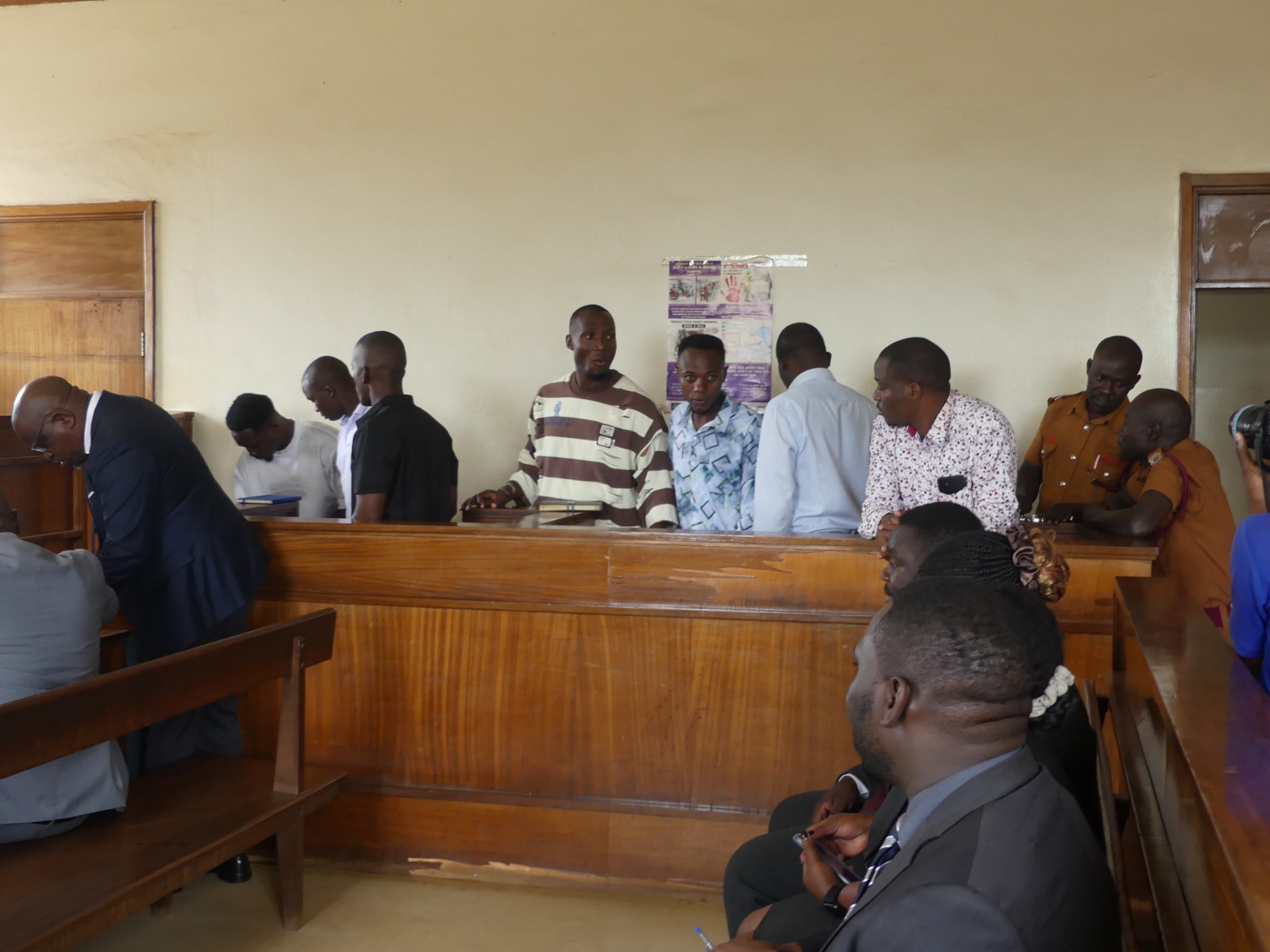

The High Court has granted a divorce to a Turkish national, Safak Davut, after finding that his Ugandan wife, Violet Ddembe, subjected him to mental cruelty during their troubled marriage.
Justice Celia Nagawa of the Family Division ruled that the marriage had “irretrievably broken down” and should be dissolved.
Davut, 55, came to Uganda as a student at Bugema University in 2013, where he studied theology. He later met Ddembe, and the two formalised their relationship at the Registry of Marriages in Kampala on 27 January 2016.
After the wedding, the couple lived together at Bugema University Guest House. However, their marriage quickly ran into difficulties. According to the court, they only lived together for about six months before Davut returned to Turkey, where he was arrested and imprisoned for seven years due to political issues.
While in prison, Davut said he remained committed to the marriage. He told the court that his family continued to send money and support to Ddembe in Uganda, especially after she told him she was pregnant.
The relationship deteriorated further when Davut returned to Uganda in October 2023. He testified that Ddembe rejected him and refused to continue with the marriage.
The court heard that when he asked about the child he believed had been born during his imprisonment, Ddembe told him she had aborted the pregnancy.
Davut also accused his wife of taking his property. He claimed she stole a motor vehicle belonging to his company and took $5,000, which is about Shs18.5m at current exchange rates.
In his divorce petition filed in July 2024, Davut listed cruelty and desertion as the main grounds for ending the marriage.
On cruelty, he described a pattern of behaviour that caused him emotional suffering. He said the relationship had become “grief-stricken and extremely miserable owing to Ddembe’s acts of abusiveness, desertion, unrestrained antagonism, aggression, rage, erratic, malevolent behaviour, and disrespect to the sanctity of their marriage”.
He further told the court that Ddembe repeatedly insulted and humiliated him in front of others.
Davut also said his wife called him a terrorist and denied him conjugal rights, which deepened the breakdown of the relationship.
Wife, son fight over South African property of late Sewava, founder of Sir Apollo Schools
One of the most serious claims involved deception about the pregnancy. Justice Nagawa observed that the alleged lie had a severe emotional impact.
“The discovery that [Davut] had been deceived for over seven (7) years about a child he thought [Ddembe] had given birth to could cause any reasonable man severe mental distress,” she wrote.
Justice Nagawa agreed that these actions amounted to mental cruelty. She ruled that “the cumulative effect of the Ddembe’s deception about the child, cruel taunts, and systematic psychological abuse created an environment of mental torture that no spouse should be expected to endure”.
She emphasised that cruelty in marriage is not limited to physical violence.
“Mental cruelty encompasses conduct that causes deep anguish, disappointment, frustration, and psychological trauma,” she said.
On the second ground of desertion, however, Justice Nagawa was not convinced. She found that Davut had not proved that the legal requirements for desertion had been met.
She pointed out that although the couple had separated, the law requires at least two years of continuous desertion. In this case, Davut returned to Uganda in October 2023 and filed for divorce in July 2024, which was less than a year later.
“The lapse of two years since his return home had not clocked to qualify for desertion,” Justice Nagawa ruled.
The case proceeded without Ddembe’s participation. Court records show that she was served with the divorce papers but did not file a formal response.
Instead, she sent a WhatsApp message saying she was not interested in the divorce and referred to ongoing police cases between the two.
Because of her absence, the hearing went on ex parte, meaning only Davut’s side was heard.
Davut was represented by lawyer Jonathan Buregyeya Abaine of Abaine-Buregyega & Co Advocates.
After reviewing the evidence, Justice Nagawa found that a valid marriage existed and that cruelty had been proved on a balance of probabilities.
In the end, she granted a decree nisi, which is a provisional divorce order. It will become final after six months if no objection is raised.
Justice Nagawa did not award any specific monetary damages in the ruling. However, she allowed Davut’s request for costs, meaning Ddembe could be required to cover his legal expenses.