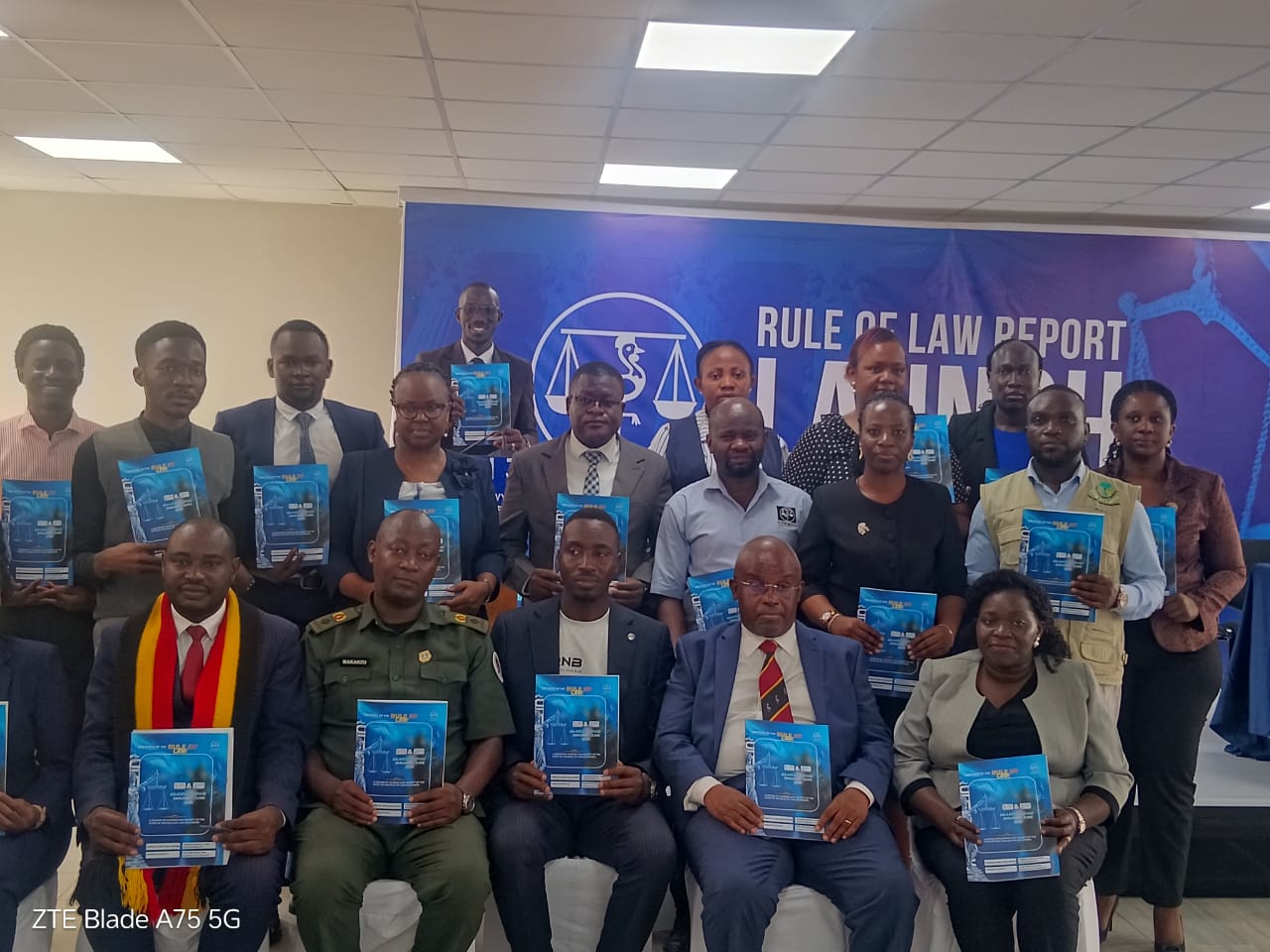
The Uganda Law Society (ULS) has raised concern over what it describes as increasing human rights violations and threats to the rule of law during the first half of 2026, including alleged abductions, arrests, killings and restrictions on freedom of expression.
The concerns are contained in the Society’s quarterly Rule of Law Report covering January to June 2026.
The report examines the state of human rights, democracy, access to justice and the rule of law during a period that included Uganda’s January 2026 general elections.
According to the report, the election period was marked by what the Society described as the targeting of opposition leaders, candidates and supporters through arrests, alleged abductions and the use of police and military forces to disperse political activities.
The society said the incidents raised concerns about the protection of citizens’ rights and the conduct of security agencies during the electoral period.
One of the cases highlighted concerns the detention of former Butambala County MP Muwanga Kivumbi, who was arrested in connection with violence and deaths reported in Butambala during the January 15 elections.
Seven people were reported killed in Butambala during the election period. However, the report raises concern about the lack of clear public information on the circumstances surrounding the deaths and accountability for the incidents.
Kivumbi was separately charged with terrorism-related offences arising from the violence in Butambala. He has denied the allegations. Court records show that the prosecution linked the charges to the deaths of seven people during the January 15 election.
The report also refers to other deaths during the election period, including the shooting of 38-year-old Ali Ssekajja in Kayunga District on January 15 and the death of 33-year-old Victoria Ndagire in Lubaga as she was reportedly returning home.
It also cites violence in Lwemiyaga, Sembabule District, where two people were reported killed a day before the elections.
ULS said such incidents require proper investigation and accountability so that victims and their families can know what happened and those responsible can be held to account where evidence supports prosecution.
The report further highlights cases involving people whom the society says were subjected to abductions or unlawful detention.
Those mentioned include National Unity Platform officials Dr Lina Zedriga Waru and Jolly Tumushabe, as well as other opposition figures and government critics.
The Society also refers to cases involving Sam Mugumya, Miria Matembe, Erias Lukwago and Muwanga Kivumbi.
Human rights organisations have separately raised concerns about the detention and alleged enforced disappearance of opposition figures during the same period.
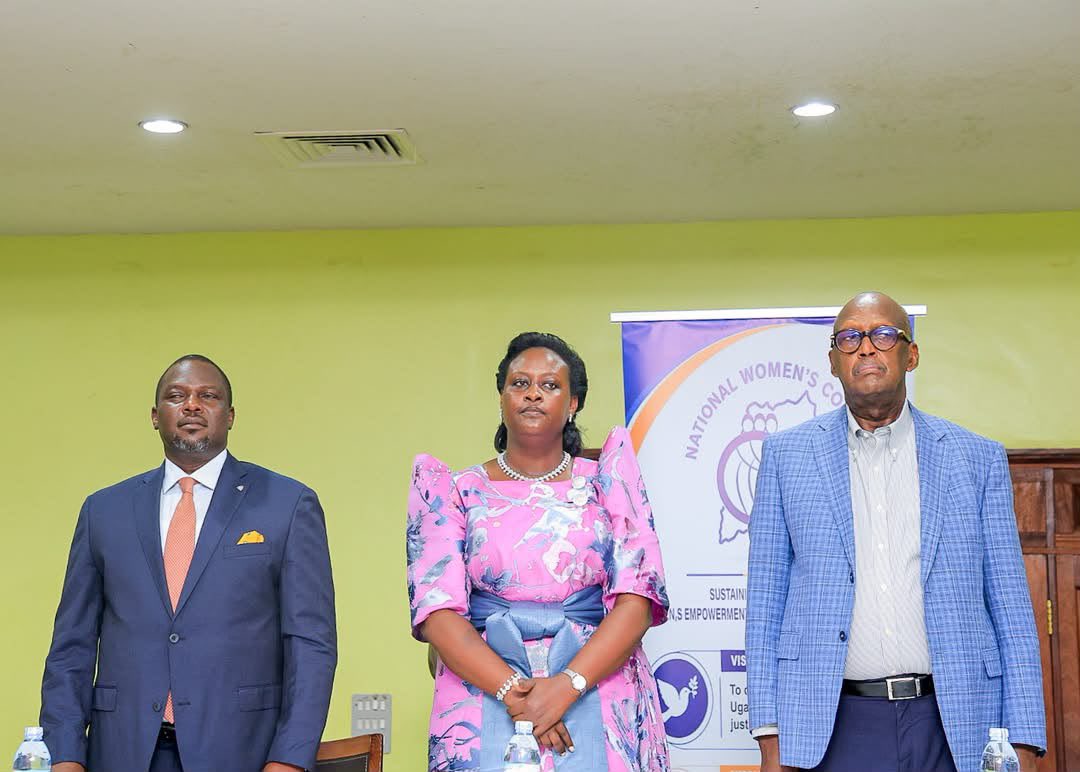
Speaking at the launch of the report, ULS Vice-President Anthony Asiimwe said freedom of expression, freedom of the press and the right to information remained under significant pressure during the reporting period.
He pointed to the June shutdown of Nation Media Group’s Ugandan operations as one of the major developments affecting press freedom.
On June 28, security forces shut down several Nation Media Group outlets, including Daily Monitor, NTV Uganda, Spark TV, KFM and Dembe FM, following an order by CDF Gen Muhoozi Kainerugaba.
The government later said the disruption was linked to a security-led investigation.
The outlets resumed operations in July after about a month of disruption.
Asiimwe said the society’s findings should not obscure developments that it considers positive in strengthening accountability and access to justice.
“Despite the negative findings of the report, we acknowledge the significant role played by the IGG in probing Parliament officials over the management of public funds as part of strengthening transparency, accountability and the fight against corruption,” he said.
He also commended the Judiciary for introducing the Electronic Court Case Management Information System (ECCMIS), saying the digital system could help reduce case backlogs and improve the speed of justice.
The ULS report comes against a wider debate over the state of human rights and democratic freedoms in Uganda.
Human Rights Watch has also reported concerns over restrictions on political opposition, journalists and peaceful expression, while noting cases in which state institutions have taken steps towards accountability.