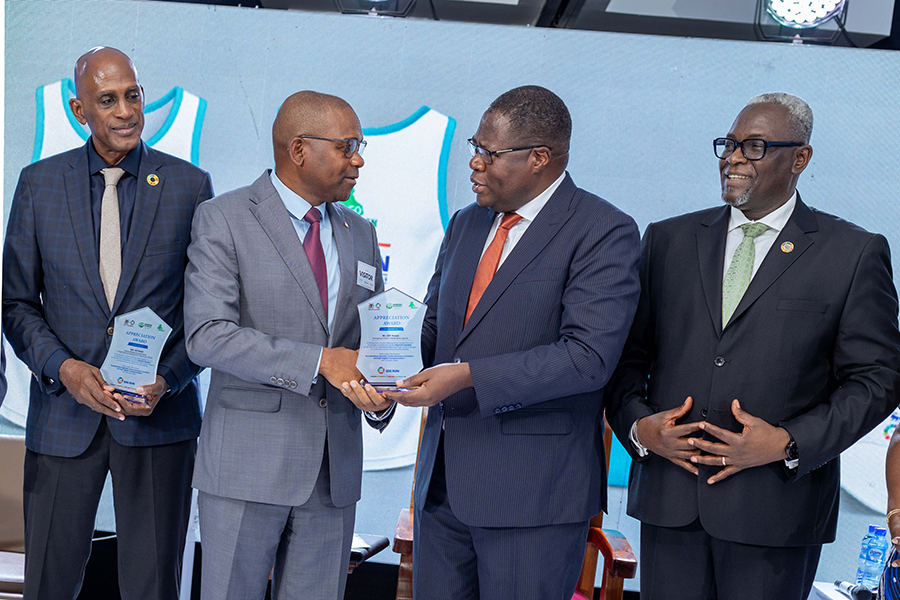
Government has increased the authorised share capital of the Uganda Development Bank (UDB) from Shs2 trillion to Shs5 trillion as it seeks to expand access to affordable long-term financing for businesses and other productive sectors of the economy.
The decision is part of government’s efforts to use UDB to support economic transformation under the National Development Plan (NDP) IV and the tenfold growth strategy.
Government has also continued to strengthen UDB’s capital base so that the bank can provide financing to sectors considered important for industrialisation and job creation.
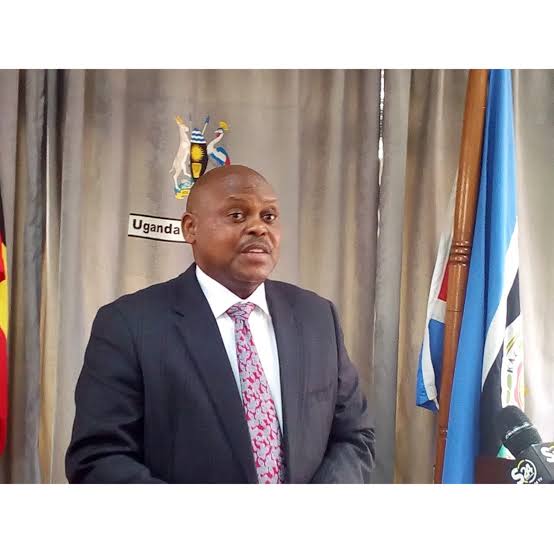
The minister of Finance Henry Musasizi said the decision was taken at UDB’s annual general meeting for the financial year ended December 2025.
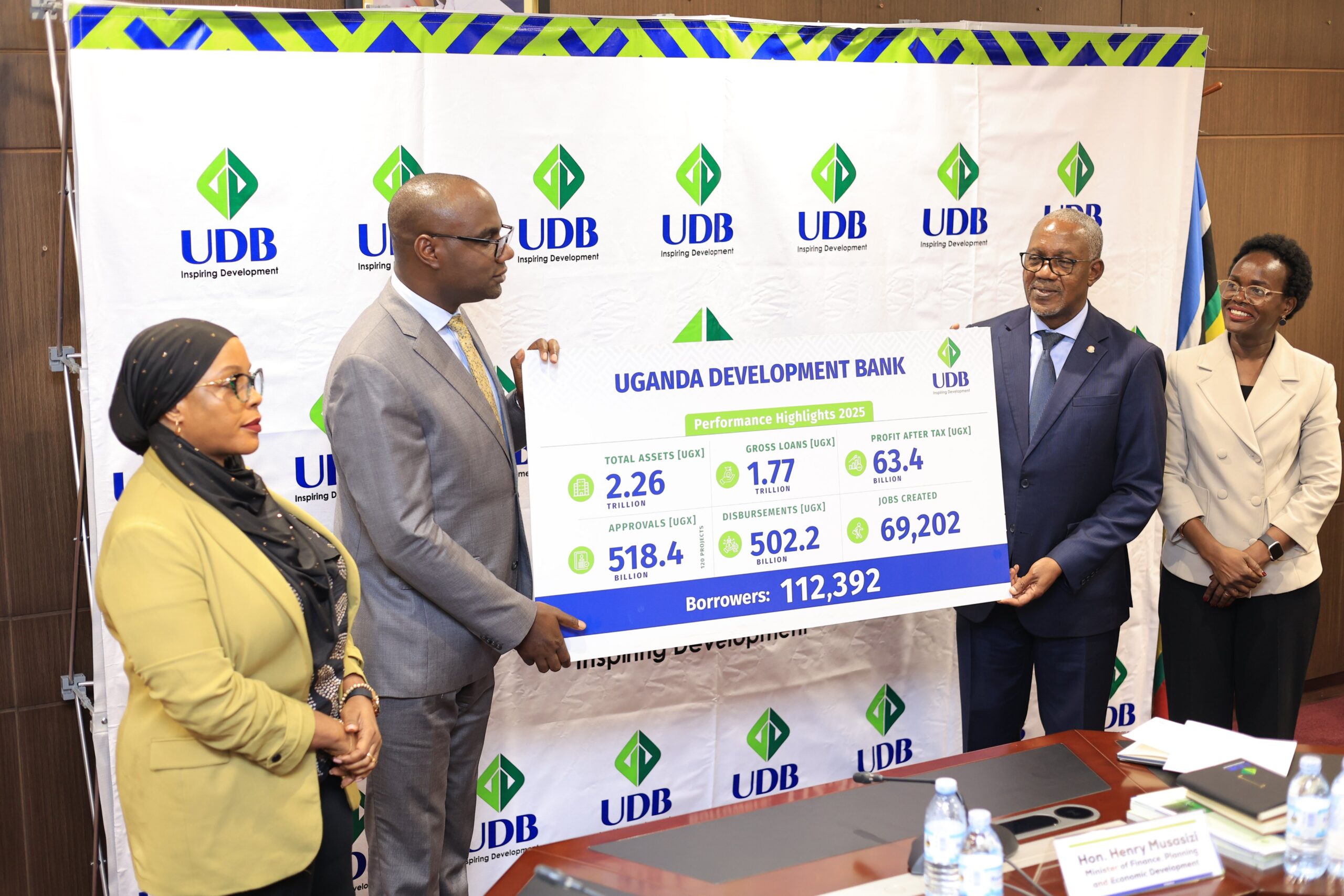
Musasizi told Bbeg Media that shareholders had authorised UDB to retain its profit after tax of Shs 63.4 billion.
“We have authorised the bank to retain its post-tax profit amounting to Shs63.4 billion, representing 9.7 per cent over 2024, and we have also approved the proposal to increase the share capital from Shs2 trillion to Shs5 trillion,” Musasizi said.
He said the increase in share capital would give the bank greater capacity to lend to businesses and other borrowers, noting that the strength of a financial institution is partly determined by the size and quality of its capital base.
Musasizi said government wants UDB to continue providing affordable financing to sectors that can create jobs, increase production and support household incomes.
These include agro-industrialisation, manufacturing, tourism and hospitality, as well as programmes supporting women and other groups seeking to grow businesses.
He said UDB would continue offering credit at relatively affordable rates, with some products priced at about 12 per cent, while the government’s long-term objective is to bring lending rates below 10 per cent and eventually into single digits.
UDB managing director Dr Patricia Ojangole said the bank was preparing to respond to growing demand for long-term financing as Uganda’s economy expands.
She said the bank had maintained control over its non-performing loans while continuing to attract customer confidence and mobilise funds for lending.
Ojangole said UDB’s role was to provide financing that supports productive investment and contributes to government’s broader economic transformation agenda.
The bank’s performance figures show significant growth during 2025. Its total assets increased by 27%to Shs2.26 trillion, while net loans and advances rose by 6.6% to Shs1.63 trillion.
The bank also reported that businesses it supported sustained 69,202 jobs, representing a 24.6% increase, while Shs502.2 billion was disbursed during the year to support private sector growth.
The latest figures build on government’s wider effort to strengthen UDB as a source of long-term financing.
By the end of December 2024, government said UDB had provided Shs2.45 trillion in financing to 607 businesses in areas including agriculture, manufacturing, tourism, construction and other services.
In the 2026/27 budget, government said it had cumulatively capitalised UDB with Shs1.6 trillion and allocated an additional Shs442.2 billion to further strengthen the bank’s capital base.
The increased capital is expected to give UDB more room to finance businesses that require long-term funding, particularly investments in production and value addition.
Unlike ordinary commercial lending, development finance is generally intended to support investments that may require longer periods before they generate returns.
This makes UDB an important part of government’s strategy to promote industrialisation and private-sector development.