A Soroti motorist who said his car was clamped while he rushed his baby daughter to a health centre has lost his bid to have street parking fees of Shs 210,000 declared illegal.
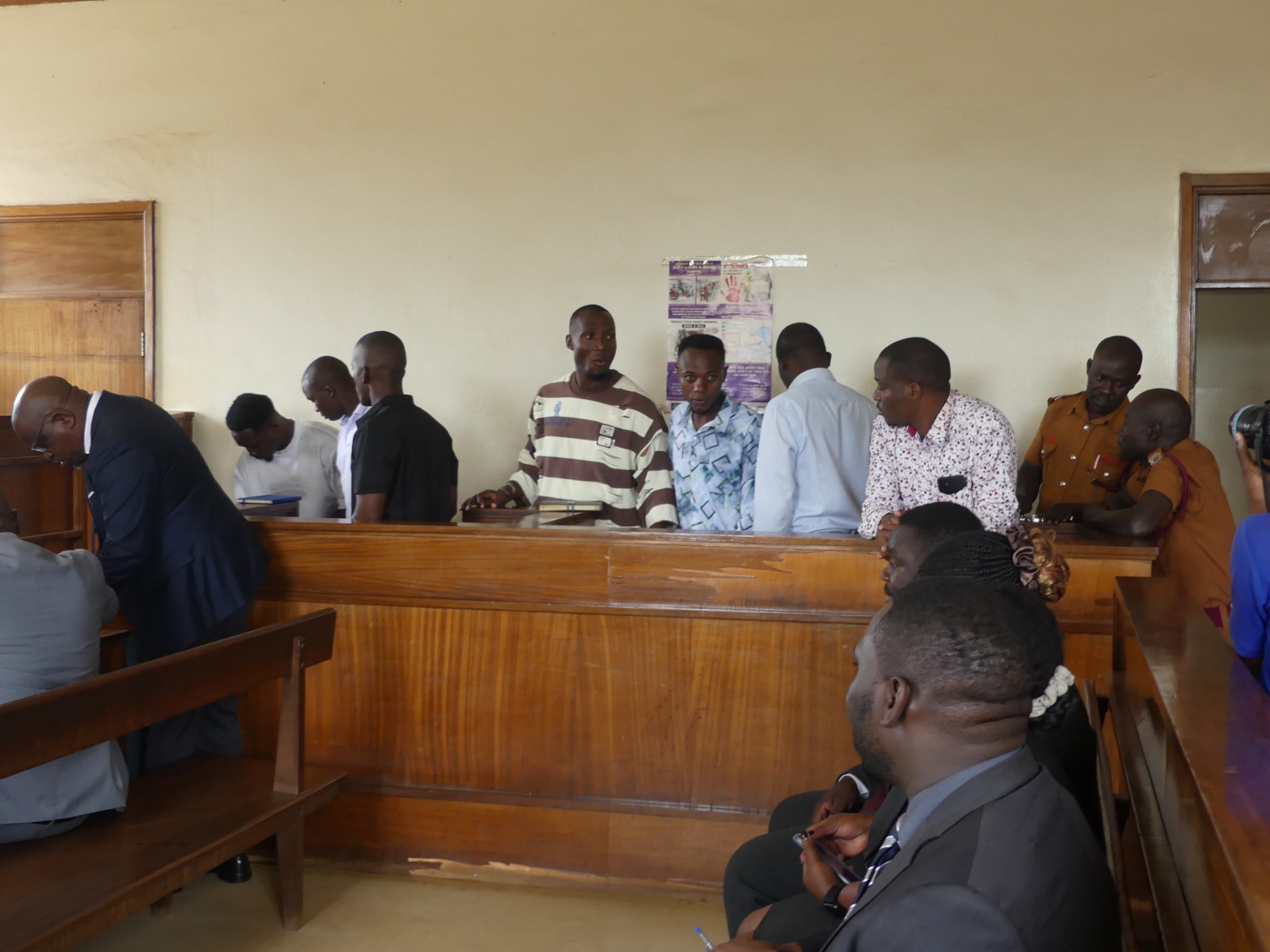
Justice Boniface Wamala dismissed the case, ruling that the Soroti City Council has the legal power to charge parking fees and that clamping a car over unpaid fees did not violate anyone’s right to property.
The dispute started on July 12, 2024, when Simon Peter Oriokot parked his car, registration UAS 135H, in front of Teso Health Centre. He had taken his five-month-old daughter there for treatment.
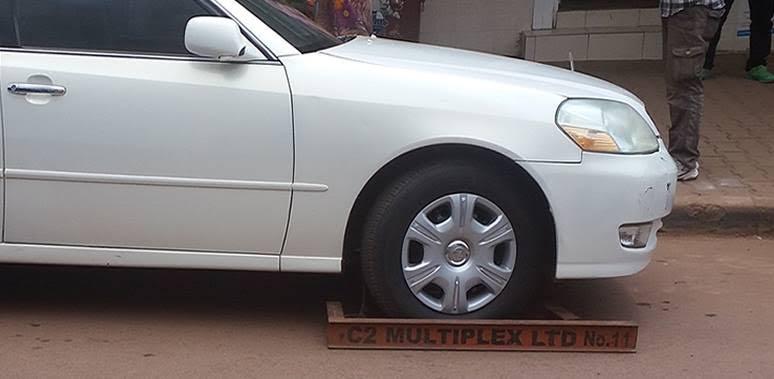
While he was inside, the car was clamped by Fuelless Technologies Uganda Limited, the company that collects street parking fees on behalf of Soroti City Council.
Oriokot was handed a street parking notice that said he owed Shs210,000 in unpaid parking fees.
Not satisfied, he took Fuelless and the city council to court.
He told the court the car stayed clamped for the whole day and he had to hire a taxi to get around.
He said his lawyers advised him that the council and the company had been charging motorists in Soroti without any law allowing it.
He asked the court to declare the fee collection illegal and a breach of the property right. He also wanted an account of the money collected, refunds for himself and other motorists, general and punitive damages, and costs.
Oriokot was represented by Phillip Engulu of Engulu & Co Advocates, who argued that a local government wanting to charge street parking fees must first make regulations, an ordinance or a bye-law under section 39 of the Local Governments Act.
He told the court the respondents had shown no such law. He asked Justice Wamala to stop them from charging until there is a law that sets out parking places, fees and street markings. He said Kampala and Mbarara are cities that do this.
Fuelless Technologies did not file a reply and did not turn up in court, even though the judge said there was enough proof it had been served. So the case went ahead without it.
Soroti City Council presented a sworn statement by its Principal Town Clerk, James Obore, who said the fees are allowed under the Local Government Act and that paying taxes, parking fees included, is a duty of every citizen.
Obore described the parking fee as a government tax paid by every vehicle owner who parks in areas declared chargeable. He said collecting it breaks no part of the Constitution.
A widow borrowed Shs 53m from Ben Kavuya and repaid Shs230m. He still held onto her land title
Justice Wamala framed the case around three questions: Was the charging of parking fees illegal? Did the clamping violate Oriokot’s right to property? Was he entitled to the remedies he sought?
On the first, he noted that Article 152 of the Constitution says ‘no tax shall be imposed except under the authority of an Act of Parliament’.
He then turned to the Local Governments Act, saying it gives councils the power to levy and collect fees and taxes, and that its Seventh Schedule lists parking fees among local government revenue.
“A local government, ipso facto, has the power to levy and collect the stated form of revenue,” he said.
Justice Wamala also dealt directly with the argument about bye-laws raised by Oriokot, saying a bye-law would be incapable of endowing legality to a matter involving taxation.
“Any other legal instrument made by the local government council would be for operational purposes and not as a source of legal authority,” he said.
He concluded that Oriokot’s claim that the fees were illegal was devoid of merit.
On the second question, he said the right to property in Article 26 protects against being compulsorily deprived of property. He said that did not apply here.
“The alleged deprivation in this case was temporary and conditional to the applicant paying requisite parking fees,” Justice Wamala said.
He noted that Oriokot never told the court what happened to the car after the clamping.
“The court is not aware as to whether he paid the outstanding parking charges and his vehicle was released,” he said.
He said it made no difference which of these was true because Oriokot did not deny that he owed Shs 210,000.
“The clamping was done as a means of enforcing payment of the said fees,” Justice Wamala said.
He held that Oriokot had not proved on a balance of probabilities that the clamping broke his right to property, or that any civil wrong had been committed.
“In light [of] my findings above, the application by [Oriokot] is without merit and is accordingly dismissed with costs to the [city council],” Justice Wamala concluded.