The government is considering introducing taxes on the estimated 1.2 million boda boda operators as part of efforts to increase local government revenue and improve service delivery.
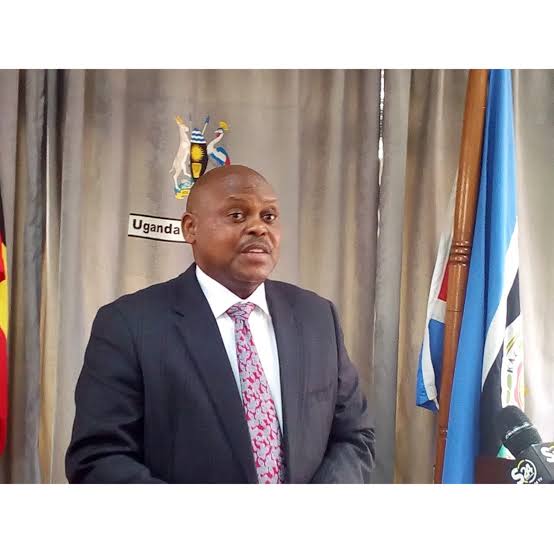
Isaac Isanga Musumba, chairperson of the Local Government Finance Commission (LGFC), said the proposal is among the measures being considered to widen the local revenue base and help local governments raise at least Shs1 trillion annually.
Musumba made the remarks ahead of the Uganda Local Government Own Source Revenue (ULGOSR) Conference scheduled for October 15, 2026.
He said the conference would provide an opportunity to discuss proposed amendments to local revenue laws and policies aimed at helping local governments collect more money to finance public services.
He said boda boda operators and sugarcane growers were among the groups being considered for inclusion in the local revenue collection system because of their economic activity and potential contribution to local government finances.
“The boda boda industry has grown rapidly, but it is not contributing revenue directly to local governments. We think it should become one of the sectors that contribute to the economy,” Musumba said.
He added that sugarcane growers were also being considered as the commission explores additional sources of revenue to help local governments meet their collection targets.
Musumba said the proposals were intended to expand the tax base rather than continue relying on a limited number of existing revenue sources.
However, the proposed measures would require appropriate legal provisions and consultations with the affected groups before implementation.
The commission is also seeking to improve the registration of businesses operating in local government areas to ensure that eligible businesses are identified and brought into the revenue collection system.
Musumba said electronic tax collection had improved efficiency and transparency by reducing some of the weaknesses associated with manual revenue collection.
“I admit that we are still grappling with unregistered businesses in the country that cannot be traced to pay tax, but we are working with all stakeholders to ensure that all businesses are registered,” he said.
The commission hopes that better business registration, electronic revenue collection and the identification of additional sources of local revenue will help local governments increase their collections.
Uganda’s local governments depend on locally generated revenue, alongside transfers from the central government, to finance services such as local roads, markets, sanitation and other community infrastructure.
However, many local governments continue to face financial constraints that limit their ability to meet growing demands for public services.
The ULGOSR initiative has also called on the central government to increase funding to local governments, arguing that they need adequate resources to fulfil their responsibilities.
The commission says local governments require more financial support to improve service delivery, particularly as they face increasing demands from communities.
It also wants a review of the allocation of public resources to ensure that local governments receive sufficient funding to carry out their responsibilities.
The forthcoming conference will bring together local government leaders and finance officials, including district chairpersons, mayors, chief administrative officers, town clerks and chief finance officers.
The meeting will be held under the theme, “Strengthening Local Government Revenue Mobilisation for Sustainable Fiscal Decentralisation and Improved Service Delivery.”