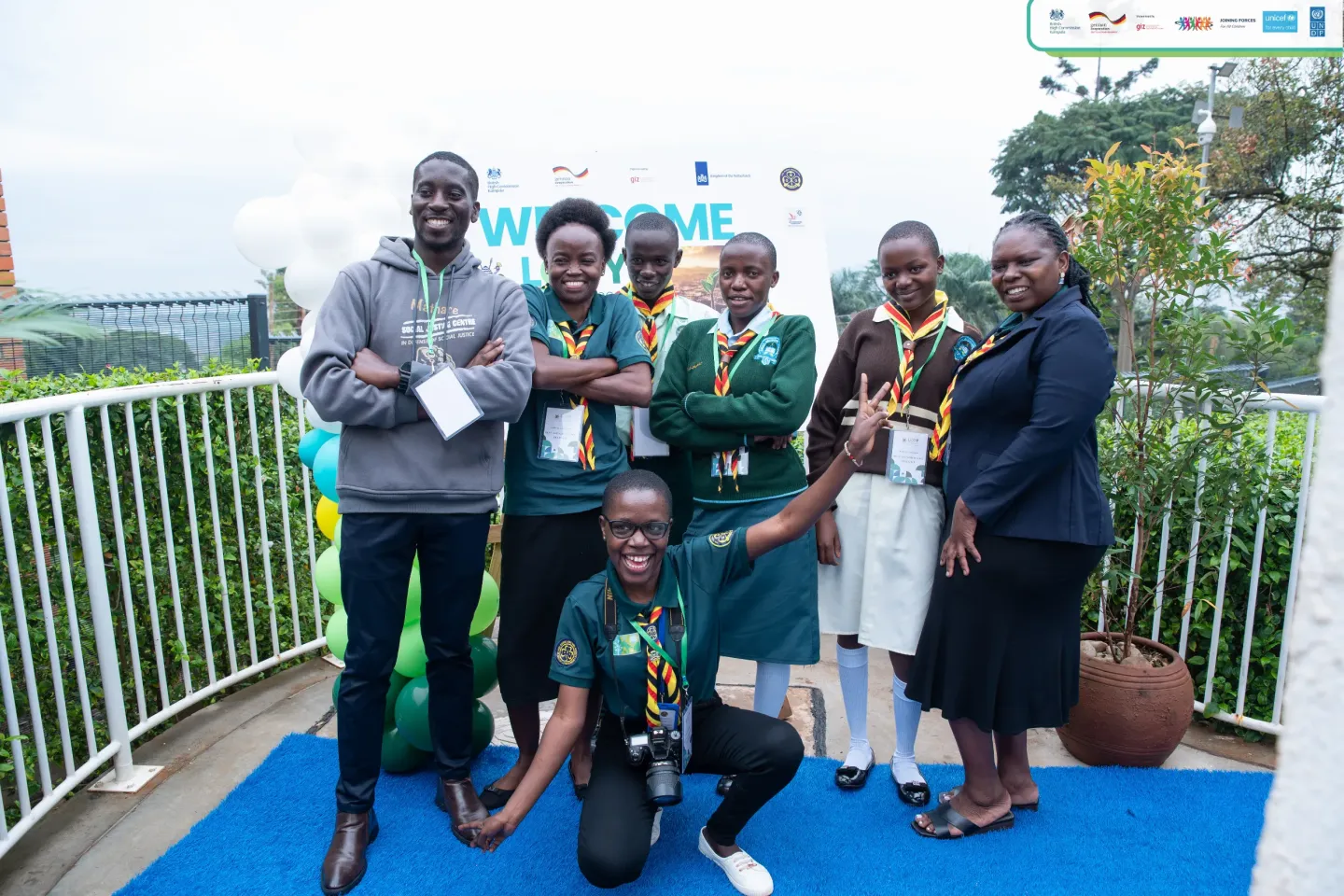
Children and young people across Uganda are calling on the government and development partners to take urgent action against climate change, warning that droughts, floods, food shortages and unreliable water supplies are disrupting their health, education and safety.
The young people say climate action should go beyond protecting the environment to ensuring that children can access clean water, attend school, eat nutritious food and live in safe communities.
Their concerns emerged during the Local Conference of Youth and Children on Climate Change (LCOY Uganda 2026), which brought together young people from different parts of the country to share their experiences and propose solutions.
The consultations covered drought-affected communities in Karamoja, flood-prone areas in Teso and Busoga, refugee-hosting communities in Isingiro District and youth platforms in West Nile.
Ahead of the national conference in Kampala, regional consultations were held in Karamoja, West Nile, Nakivale in southwestern Uganda, Teso and Busoga to ensure that the views of children and young people informed the national climate agenda.
According to the organisers, the consultations reached approximately 2,069 children and young people across 12 schools and learning institutions. Available school-level data showed that at least 938 girls and 1,031 boys participated.
Participants reported drying water sources, flooded routes to school, crop failures, rising temperatures, poor sanitation, food insecurity, pollution and the destruction of forests and wetlands.
They also described how repeated climate-related shocks were placing pressure on families, making it harder for them to meet basic needs.
Water insecurity emerged as one of the major concerns. Young people said unreliable or unsafe water supplies affected hygiene, increased health risks, disrupted school attendance and added to the daily responsibilities children carry at home.
Liya Dhara, a climate change advocate who participated in LCOY Uganda 2026, said young people had ideas that could help communities respond to the growing effects of climate change but needed greater support from leaders.
“Climate change is affecting our water, our schools and our families, but young people have ideas that can help our communities adapt. We want leaders to listen to us, support our solutions and include us in the decisions that shape our future,” Dhara said.
The consultations showed that children and young people were not simply waiting for government intervention.
They proposed practical measures to help communities cope with climate change, including planting trees, protecting wetlands, harvesting rainwater, repairing boreholes, promoting climate-smart agriculture, adopting clean cooking technologies and recycling waste.
They also called for school climate clubs and community awareness campaigns led by young people to encourage environmentally friendly practices.
The regional consultations informed LCOY Uganda 2026, held in Kampala from 5 to 7 August 2026. The national conference attracted approximately 631 participants through in-person and online attendance.
The participants included children, youth delegates, students, innovators, persons with disabilities, civil society organisations, government representatives, United Nations agencies, development partners, private sector actors, journalists and financial institutions.
The conference provided a platform for policy discussions, innovation showcases and conversations about climate finance.
Participants also worked towards developing a national statement outlining the priorities of children and young people on climate change.
The process brought together the Ministry of Water and Environment, the Ministry of Gender, Labour and Social Development, and the Ministry of Education and Sports, alongside district local governments in Moroto, Arua, Isingiro, Soroti and Jinja.
Other participants included the United Nations Development Programme (UNDP), the United Nations Children’s Fund (UNICEF), the regional United Nations Framework Convention on Climate Change (UNFCCC) resident focal point, civil society organisations, non-governmental organisations, academic institutions, private sector representatives and cultural institutions, including the Busoga and Buganda kingdoms.
The conference was supported by the Government of Uganda, UNICEF, UNDP, the German development agency GIZ, the British High Commission and other youth networks and partners, including Regenerative Africa.
UNICEF said the consultations demonstrated why children and young people should have a central role in shaping climate policies and programmes, given the effects climate change has on their daily lives.
Discussions linked climate change to access to water, sanitation and hygiene, health, nutrition, education, child protection, gender equality, disability inclusion, livelihoods, biodiversity, clean energy and climate finance.
Climate education emerged as the leading priority among respondents, with 59% identifying it as an area requiring greater attention.
It ranked ahead of other priorities, including building capacity on climate policies, regulatory compliance, public awareness and governance, as well as improving access to funding.
Participants called for climate-resilient water and sanitation services, stronger early warning systems, inclusive climate education and financial support for youth-led initiatives.
They also urged the government to give children and young people meaningful opportunities to contribute to the development and implementation of Uganda’s third Nationally Determined Contribution (NDC 3.0), the country’s climate commitments under the Paris Agreement, and preparations for the 31st United Nations Climate Change Conference (COP31).
UNICEF Representative in Uganda Dr Robin Nandy said young people were both vulnerable to climate change and capable of helping communities respond to it.
“Children and young people are among those most affected by climate change, but they are also powerful agents of change. Their voices, ideas and leadership must be reflected in climate policies, financing and action if Uganda is to build a more resilient and inclusive future,” Nandy said.