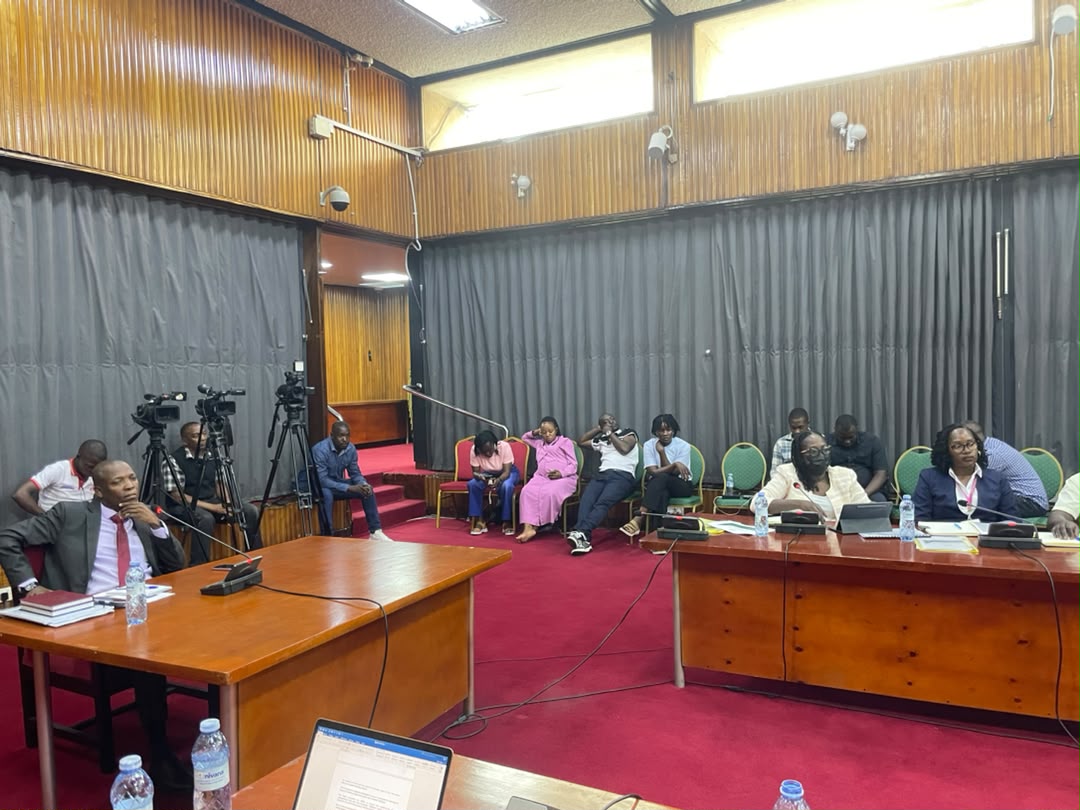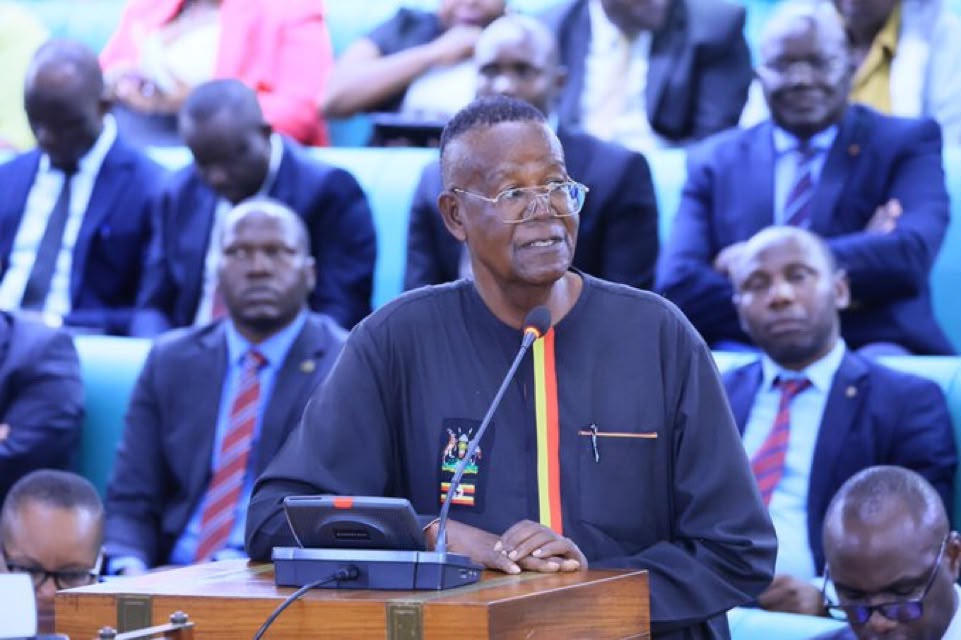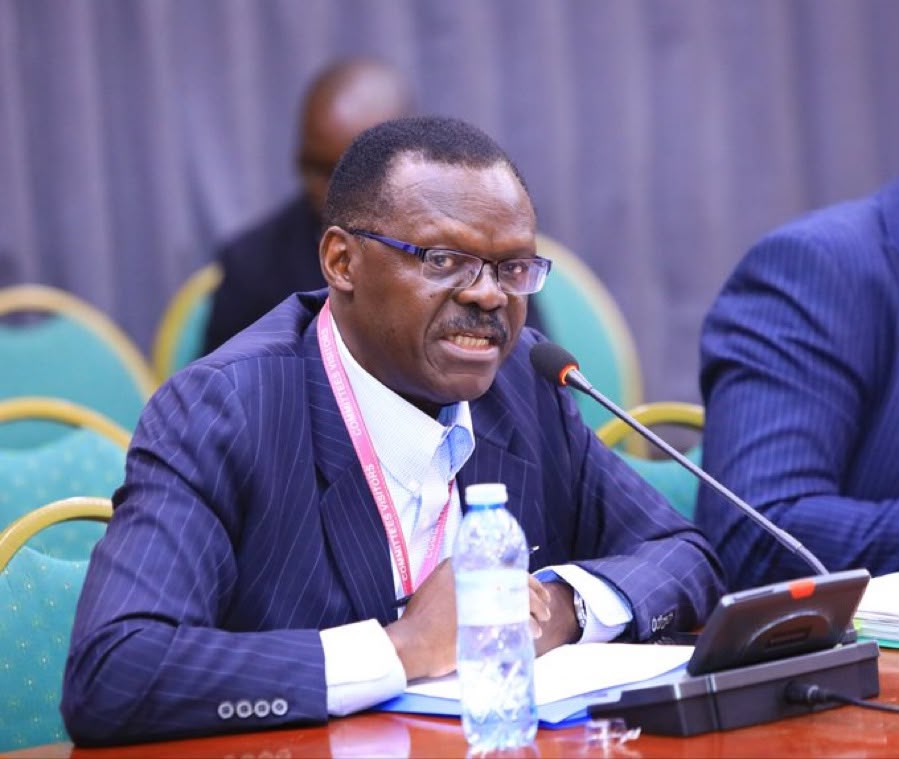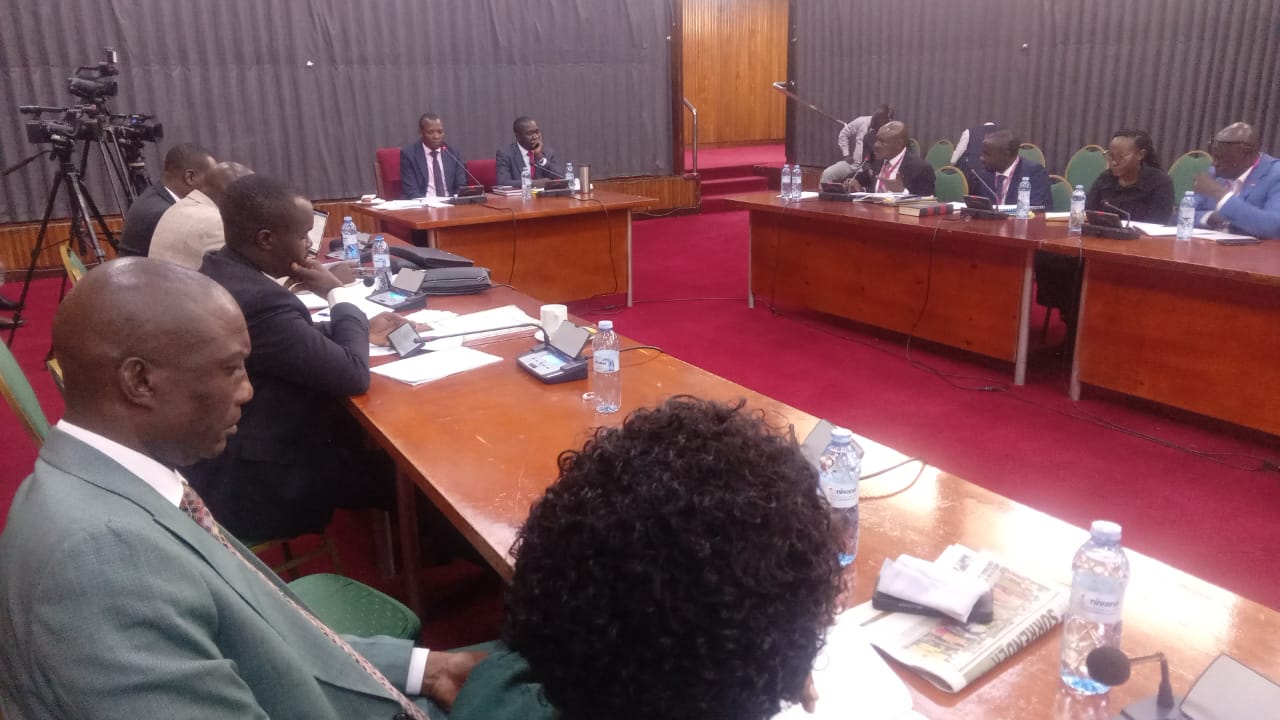
Officials of Kiira Motors Corporation have faced tough questions from Parliament’s Committee on Commissions, Statutory Authorities and State Enterprises (COSASE) over whether the company manufactures vehicles in Uganda or mainly assembles components imported from other countries.
The officials, led by the company’s chief executive officer, Paul Isaac Musasizi, struggled to convince members of the committee that Kiira Motors is manufacturing vehicles locally, particularly after disclosing that only 21 per cent of the materials and inputs used in making its buses are sourced or produced locally.
The committee, chaired by Kyadondo East MP Muwada Nkunyingi, also questioned the company over the utilisation of more than Shs500 billion reportedly provided by the government to support the establishment and development of the vehicle manufacturing project.
MPs demanded an account of the public funds invested in the company and wanted to understand how much progress had been made towards achieving its original production targets.
Musasizi told the committee that Kiira Motors uses locally produced materials and Ugandan expertise in the production of its buses.
“Our 21 per cent local manufacturing lies in the iron bars we use, the paints applied on the buses and the skilled labour used in the process of making the buses,” Musasizi told the committee.
However, the explanation did not satisfy several MPs, who questioned whether the materials and labour cited by the company were sufficient to justify its description as a vehicle manufacturer.
They argued that major components, including engines, tyres, mirrors and other essential vehicle parts, are imported, raising questions about the actual level of manufacturing taking place in Uganda.
The MPs wanted the company to clearly explain the difference between manufacturing and assembling and demonstrate the extent to which its operations have contributed to the development of Uganda’s local automotive industry.
Members also questioned whether a comprehensive feasibility study had been conducted before the government committed billions of shillings to the project.
They expressed concern that taxpayers’ money could be invested in a project whose production capacity and commercial sustainability remained unclear.
The disagreement also exposed concerns about the company’s production targets. According to the officials, the agreement with the government provided for the production of at least 2,500 buses annually.
However, MPs questioned the company’s progress towards meeting this target, given the relatively small number of buses reportedly produced so far.
The officials told the committee that Kiira Motors had so far produced 115 buses, of which 46 had been sold to Makerere University and other institutions. The remaining buses are being kept by the company for hire to organisations and other customers.
The company produces both electric and diesel-powered buses under its Kayoola brand. Their prices vary depending on the model and capacity, with a 45-seater bus reportedly costing about Shs370 million, while some other models cost as much as Shs1.5 billion.
Musasizi told MPs that the company intends to produce more than 1,500 buses over the next five years as it seeks to expand its presence in Uganda’s major cities.
Kiira Motors has already introduced some of its electric buses on Ugandan roads and is holding discussions with taxi operators about adopting electric buses as an alternative to conventional vehicles.
The company says expanding local production and increasing the use of Ugandan-made components will be important in reducing dependence on imported vehicle parts.
The production figures raised further questions about the company’s ability to operate commercially and meet the expectations attached to the investment.
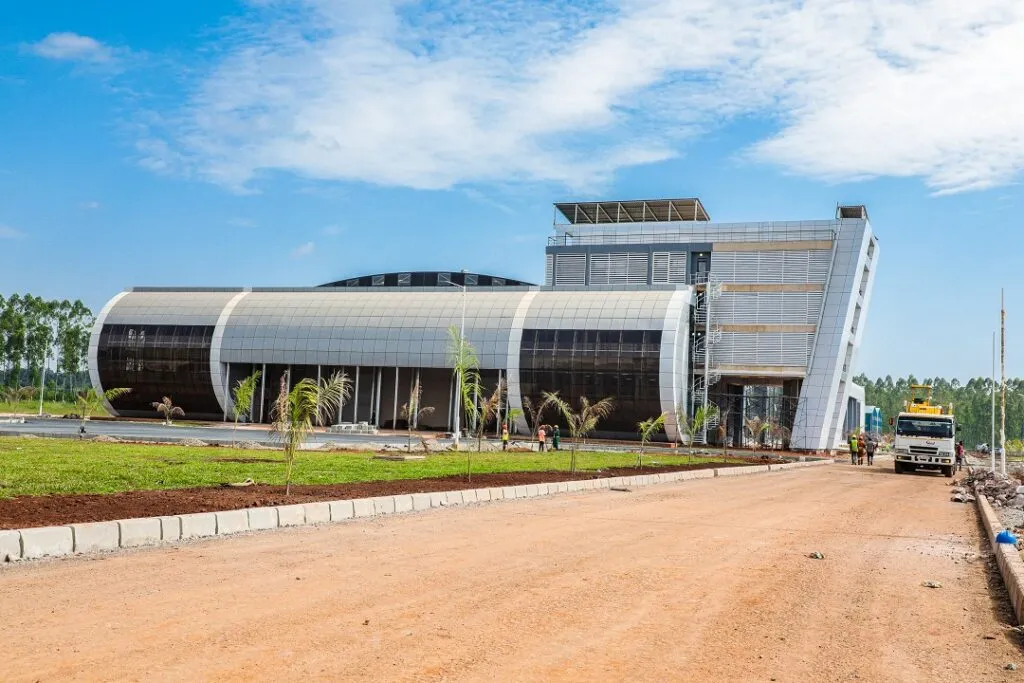
Kiira Motors’ Jinja plant has an installed production capacity of 2,500 vehicles annually. However, this is the plant’s designed capacity and does not mean the company has been producing that number of buses every year.
The officials’ appearance before COSASE comes amid wider concerns about the financial performance of the company and the value taxpayers are getting from the investment.
The MPs want Kiira Motors to demonstrate that the government investment is translating into increased production, local employment, technology transfer and a sustainable automotive industry.