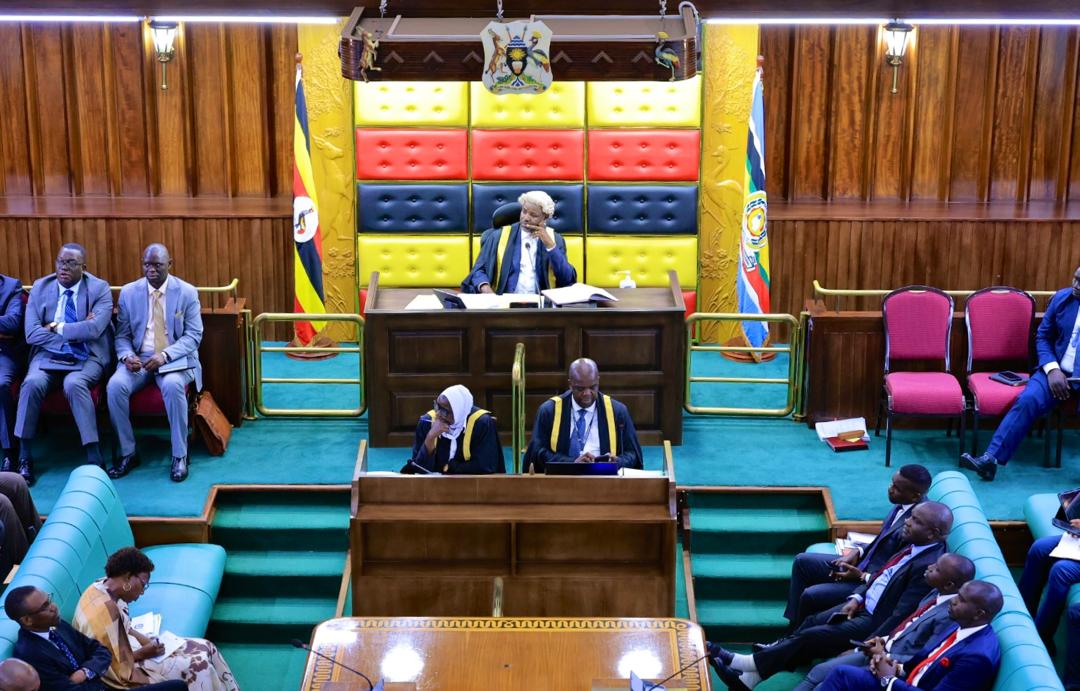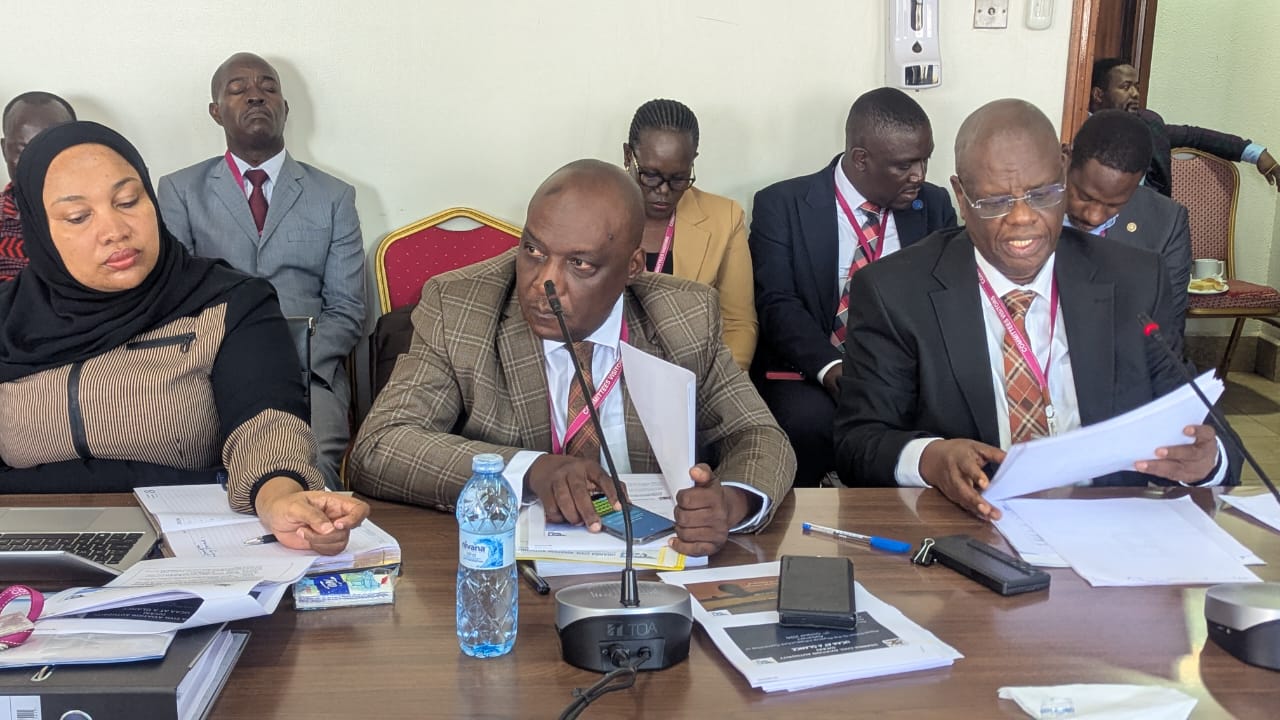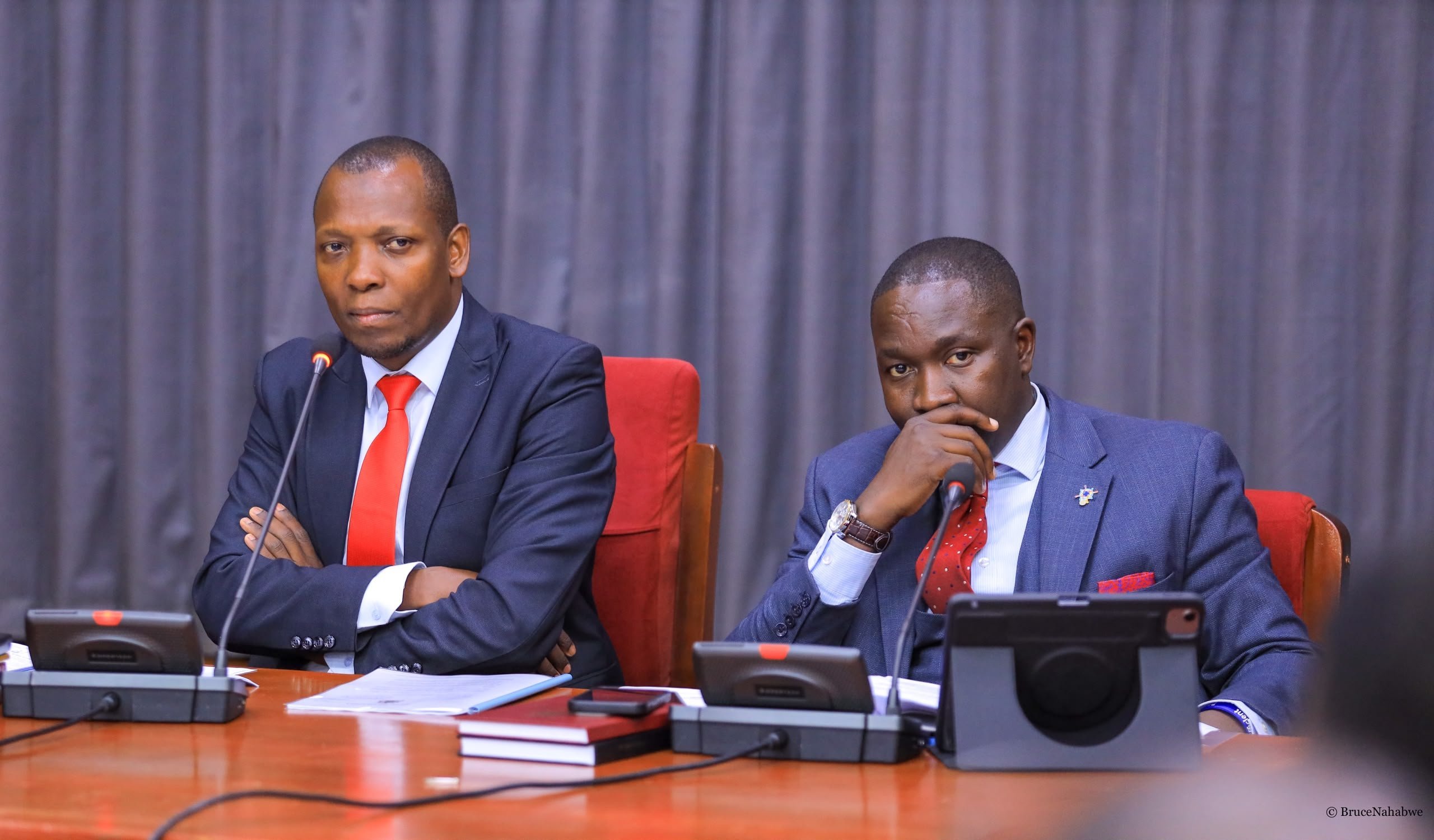
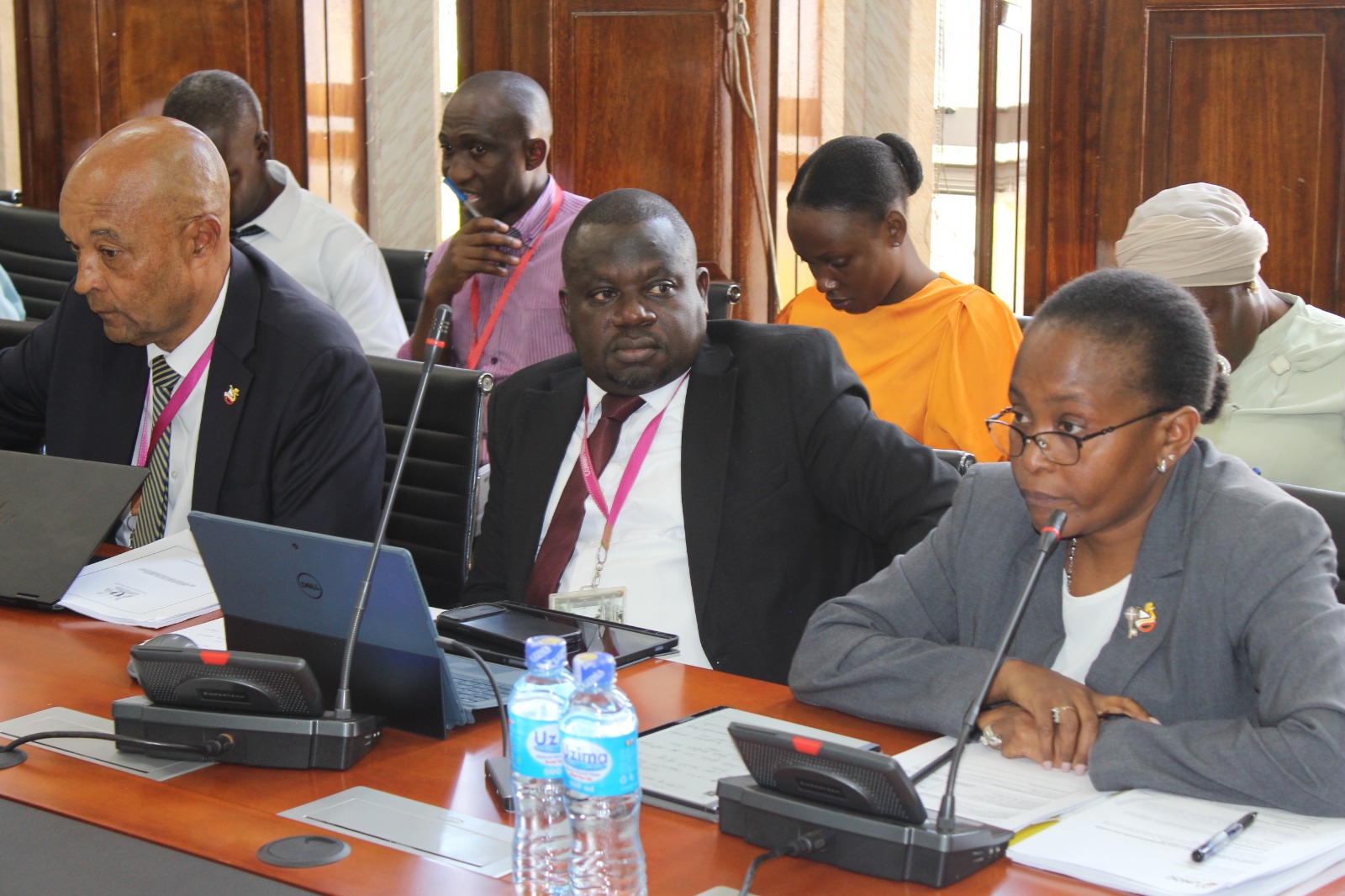
The Parliamentary Committee on Commissions Statutory Authorities and State Enterprises (COSASE) has grilled officials of the Uganda National Oil Company (UNOC) over rising fuel prices, questioning why the state oil company has failed to cushion Ugandans from increasing costs at the pump.
A litre of petrol currently costs Shs 6,950 while that of diesel goes for Shs 6,780 at the pump.
The MPs warned that continued increases in fuel prices could have a wider impact on the economy by raising the cost of transport, food and other essential goods.
The committee, chaired by Kyadondo East MP Muwada Nkunyingi, raised the concerns on Wednesday while interfacing with UNOC officials at Parliament.
Pian County MP Remegio Achia questioned why UNOC had chosen Buyala in Mpigi District for a planned petroleum storage facility, instead of establishing similar facilities in other parts of the country.
“I am concerned why you decided to establish a fuel storage plant in Buyala, not my constituency. The increase in fuel prices in my area could be attributed to this,” Achia said.
Achia also questioned the differences in fuel prices across the country and asked why government had been slow to intervene as prices continued to rise.
Bukoto South MP Hakim Saula asked UNOC officials to explain whether there had been any recent reduction in fuel prices and what measures the company was taking to protect consumers from further increases.
Lugazi Municipality MP Richard Senteza Salongo questioned whether the establishment of UNOC had delivered sufficient value to taxpayers, particularly given the continued rise in fuel prices and concerns about the country’s fuel storage capacity.
Senteza also asked UNOC chief executive officer Proscovia Nabbanja to explain the company’s disaster preparedness plans and how it intended to respond to fuel supply disruptions and other challenges that could affect the country.
Budadiri East MP Julius Nakiyi challenged UNOC officials to provide Parliament with a clear timeline showing how fuel prices had changed over different periods instead of giving general explanations.
“Give us the chronological movement of oil prices depending on particular periods instead of wasting our time speaking good English,” Nakiyi told the officials.
He also asked UNOC to provide an update on the construction of Uganda’s oil refinery and other planned petroleum storage facilities.
Committee chairman Muwada Nkunyingi questioned why fuel prices remained high despite UNOC maintaining reserve stocks intended to help stabilise supply.
Nkunyingi also demanded answers about the ownership of the land in Buyala where the proposed storage facility is to be established.
“We want to know whether you own the land and tell us about your environmental impact assessment from NEMA. Was it approved? Do you have a land title for that property?” Nkunyingi asked.
Responding to the MPs, Nabbanja said the current rise in fuel prices was not directly within UNOC’s control.
She attributed the increase largely to external factors, particularly disruptions to global oil supplies following the conflict in the Middle East and the reported disruption of shipping through the Strait of Hormuz.
Nabbanja said Uganda operates a free-market system in which oil marketing companies determine their pump prices, leading to differences in fuel prices from one area to another.
She, however, said UNOC had sufficient fuel reserves to supply filling stations across the country and help maintain availability of petroleum products.
Nabbanja said UNOC was also progressing with plans to establish additional storage capacity at Buyala in Mpigi.
According to Nabbanja, the facility is expected to increase Uganda’s petroleum storage capacity and improve the country’s ability to maintain supplies during periods of disruption.
The committee also questioned UNOC about the progress of major oil projects, including the planned refinery and petroleum infrastructure linked to Uganda’s oil industry.
Nabbanja, who appeared alongside UNOC General Manager Engineer Michael Nkambo Mugerwa and Chief Finance Officer Emmanuel Mugagga, assured MPs that work on Uganda’s oil projects was progressing.
She also responded to questions concerning the development of petroleum infrastructure connected to the country’s oil production plans.
Buyaga East MP Stephen Twesige, however, raised concerns about the capacity of some contractors involved in planned petroleum storage projects.
Twesige questioned whether some of the contractors had the required qualifications and experience to undertake projects of such scale.
He warned that awarding major petroleum infrastructure projects to contractors without adequate experience could expose the country to delays, poor workmanship and financial losses.
The MPs said they expected UNOC to provide clearer answers on the ownership and environmental approvals for the Buyala site, the country’s petroleum storage capacity and the company’s plans to respond to rising fuel prices.