MPs have grilled Bank of Uganda officials over allegations that the central bank’s financial control systems were hacked, with MPs saying the claims had raised concerns about the safety of public money.
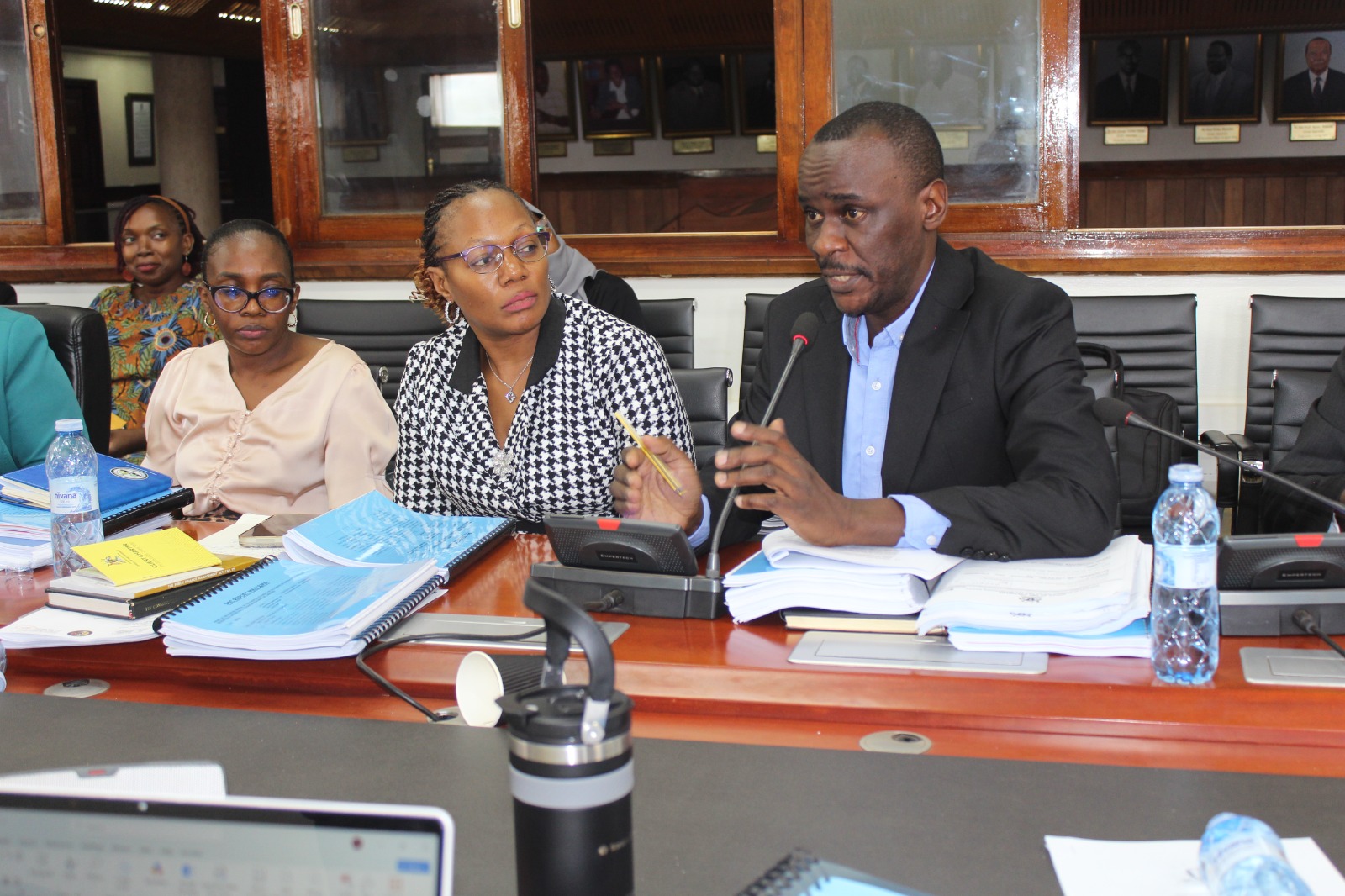
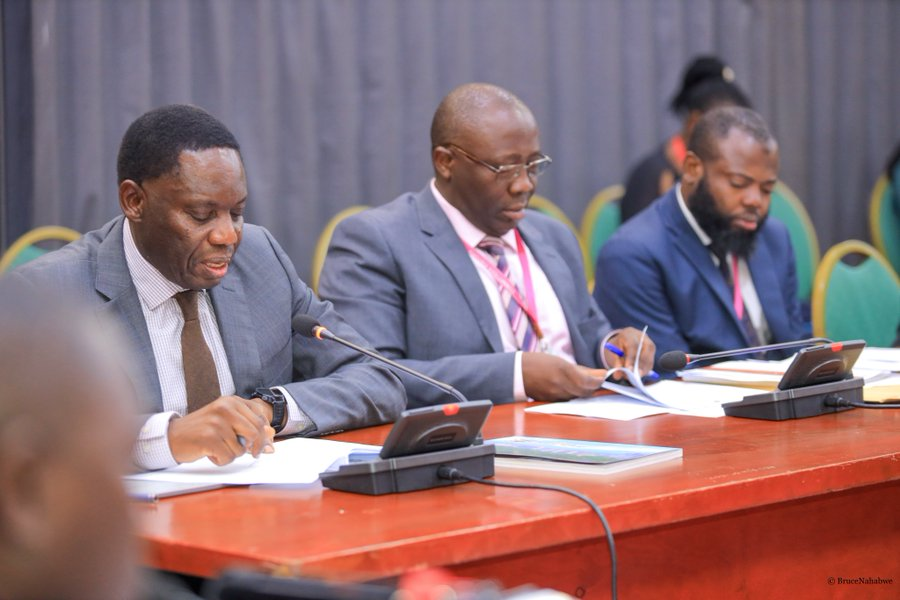
The officials, led by Bank of Uganda Governor Michael Atingi-Ego, appeared before the Committee on Statutory Authorities and State Enterprises (COSASE), chaired by Kyadondo East MP Muwada Nkunyingi.
Nkunyingi asked the governor to explain the alleged hacking and reassure Ugandans that their money was safe.
“We are asking you, Mr Governor, to explain about the alleged hacking into your system because Ugandans think that the public money is not safe,” Nkunyingi said.
The committee also asked Atingi-Ego to explain an alleged internal security breach at the central bank involving suspected intruders.
Atingi-Ego denied that the Bank of Uganda’s financial control systems had been hacked.
On the alleged internal breach, however, he said investigations were still under way and that the bank would present a report to the committee once the investigations were completed.
The MPs also questioned the central bank about complaints from members of the public involving mobile money operators, particularly mobile loans and other mobile money services.
Atingi-Ego welcomed the concerns raised by MPs and said continued engagement between Parliament, the central bank and the public would help identify solutions to problems affecting users of financial services.
He said he had received some of the concerns raised by MPs, although he admitted that he had not previously been aware of some of them.
The governor also encouraged Ugandans to embrace digital financial services, saying financial digitalisation was part of the transformation taking place in modern economies.
But Bamunanika MP Robert Sekitoleko said ordinary Ugandans were continuing to suffer while technocrats appeared unable to provide practical solutions.
Sekitoleko questioned whether the central bank was doing enough to protect members of the public who use banks and mobile money services.
“Can you imagine some members of the public are dying with money on their mobile money accounts? We don’t know whether the relatives can be able to access their money. How has the central bank helped the public?” he asked.
The MP also questioned the structure of the Bank of Uganda’s leadership and sought clarification on the specific responsibilities of different officials.
Other MPs expressed concern that many members of the public did not understand the role of the central bank or know where to seek help when they faced problems with financial institutions.
Sarah Logose said the Bank of Uganda appeared to be failing in its public awareness responsibilities despite having a legal mandate to educate the public about its work.
She questioned why taxpayers should continue paying officials if the institution could not provide clear answers to problems affecting the public.
MP Eliab Naturinda also raised concerns about mobile money advances and loans, which he said were continuing to cause problems for members of the public.
Hannington Wasswa, representing the Bank of Uganda’s executive director for Supervision and Regulation, told the committee that the central bank was conducting town hall meetings across the country.
He said the meetings were being held in all eight branches of the Bank of Uganda as part of efforts to engage the public and address concerns about financial services.
But Lugazi Municipality MP Richard Senteza was not satisfied with the explanation.
Senteza told the official that his response was too theoretical and did not provide practical solutions to the problems being raised by MPs and members of the public.
The committee also questioned the Bank of Uganda about its choice of lawyers, amid concerns over the growing number of court cases involving the central bank.
Nkunyingi said some of the bank’s lawyers had been accused of manipulating legal processes, and demanded an explanation of how the legal team was selected.
Dorothy Masifa, the Bank of Uganda’s Head of Legal Services, rejected the allegations.
She told MPs that lawyers were recruited on a professional basis and denied that the bank’s legal team was abusing or manipulating court processes.
The committee also turned its attention to the Bank of Uganda’s credit reference model.
MP Julius Nakiyi asked the central bank’s accountant to explain how the model works and who is responsible for reviewing it.
The accountant said the model takes into account several factors, including macroeconomic conditions.
He said the review process was extensive and involved the relevant committees before recommendations were ratified by the Bank of Uganda board.
The process, he added, was also subject to both internal and external audits.
However, the explanations did not satisfy some members of the committee.
Several MPs expressed surprise that senior Bank of Uganda officials could not provide immediate and detailed answers to some of their questions.
The MPs questioned whether some officials were providing value for taxpayers’ money and suggested that failure to answer basic questions raised doubts about their suitability to hold their positions.
During the same meeting, the committee chair assigned MP Julius Nakiyi to lead an ad hoc committee on government concessional loans, citing concerns about the growing burden of public debt.
The Bank of Uganda officials are expected to return before the committee next week, although it remained unclear whether the appearance would take place.
Atingi-Ego told the MPs that the central bank would submit written responses to some of the questions that could not be answered during the meeting.