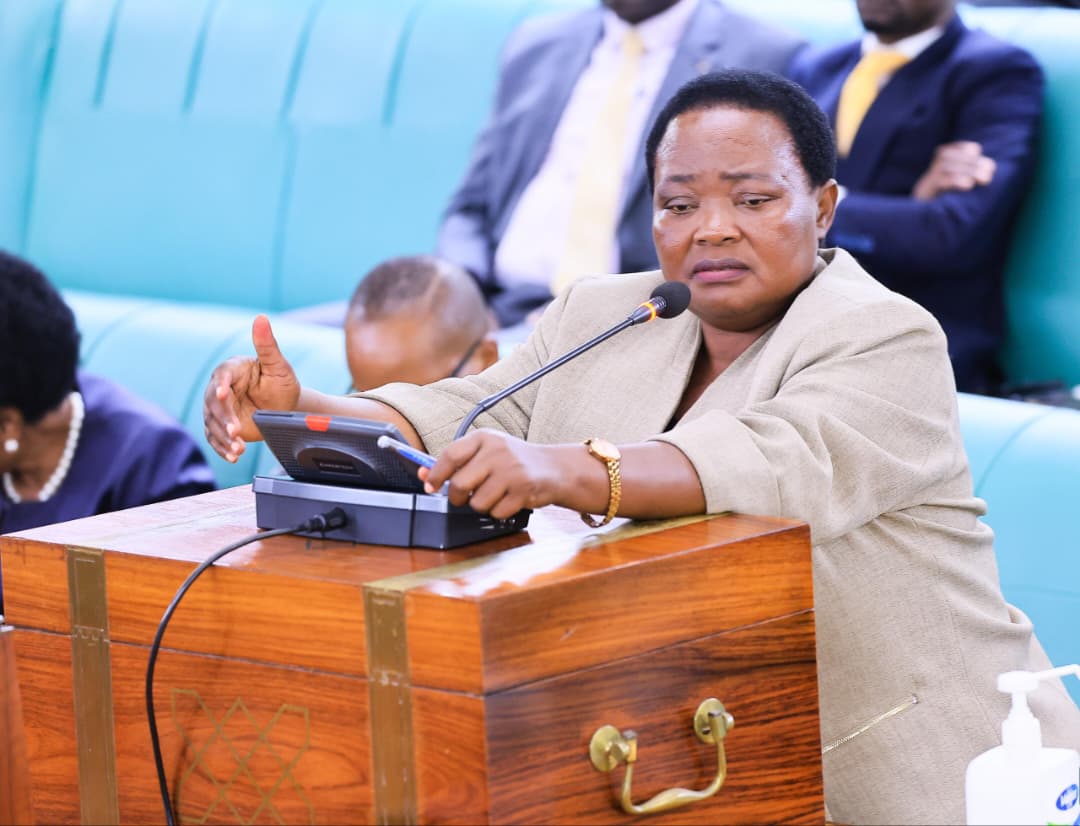
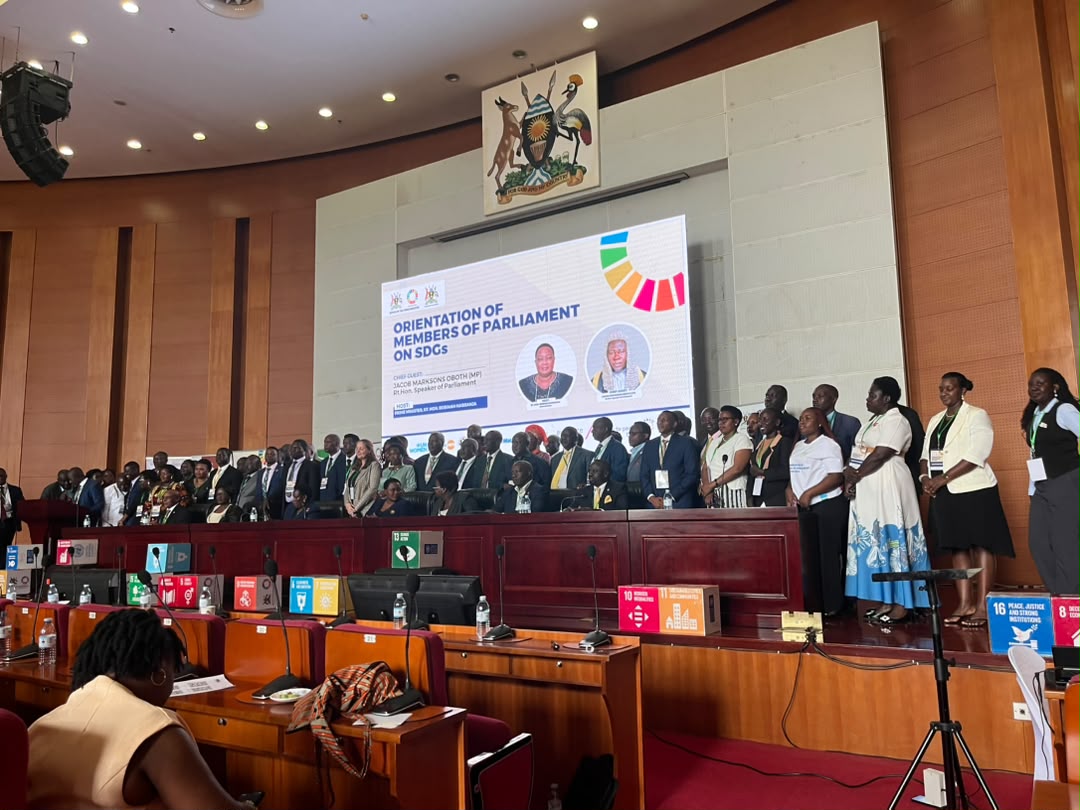
Prime Minister Robinah Nabbanja has called on members of parliament to localise the 17 Sustainable Development Goals (SDGs) as one way of tackling the problems facing Ugandans.
She was speaking at the opening of an orientation for MPs of the 12th parliament, held at the Office of the Prime Minister premises.
She said localising the goals means turning global targets into plans that fit the needs of each district, parish and village.
Nabbanja told the legislators that resource allocation, legislation and oversight were their main roles, and that they should focus on them so that local people can achieve their aspirations.
She said Uganda must now move from making commitments to taking action that produces results and raises productivity among the population.
“Our main purpose as government is to ensure that the sustainable development goals are localised and translated into results that can change people’s lives,” she said.
The SDGs were adopted by United Nations member states in 2015, with a deadline of 2030. Uganda has about four years left to meet them.
Nabbanja said the government’s priorities for 2026 to 2031 include expanding tourism and trade, science, technology and innovation, and mineral development.
She also spoke about the Parish Development Model, a flagship government programme under which each parish receives Shs100m a year. The government plans to double the amount to Shs200m a year.
Citing the 2024 national census, which put Uganda’s population at 45.9 million, Nabbanja assured the public that all 17 goals are built into Vision 2040 and the Fourth National Development Plan.
She said Uganda’s score on the SDG index rose from 51.5% to 55.8%, and that 28% of targets are on track, compared with 17% globally.
“This means that Uganda is still on track as far as transforming Ugandans to better lives is concerned,” she said.
The chairperson of the Uganda Parliamentary Forum on SDGs, Mary Paul Turyahikayo, encouraged MPs to strengthen accountability at all levels and to turn the goals into reality.
The 17 goals cover ending poverty, good health services, quality education, gender equality, clean water and sanitation, decent work and economic growth, reduced inequalities, sustainable cities and communities, responsible consumption and production, climate action, protecting the environment, and peace, justice and strong institutions.