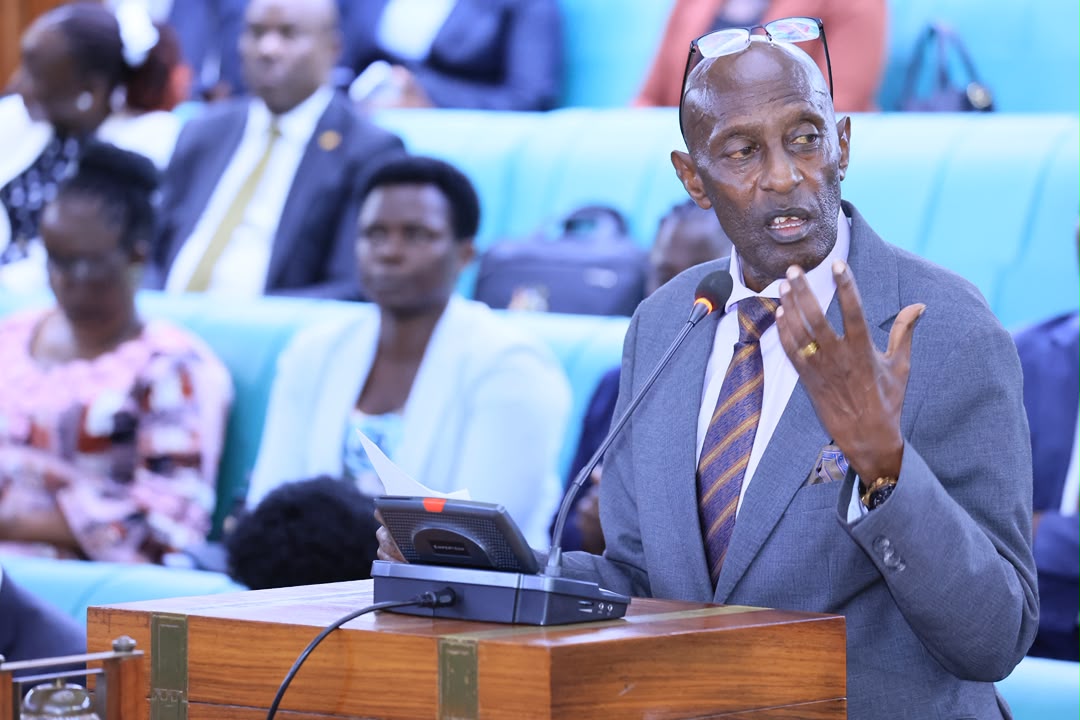
Parliament has been asked to push the government to use the Uganda Development Bank (UDB) to recapitalise small-scale industries.
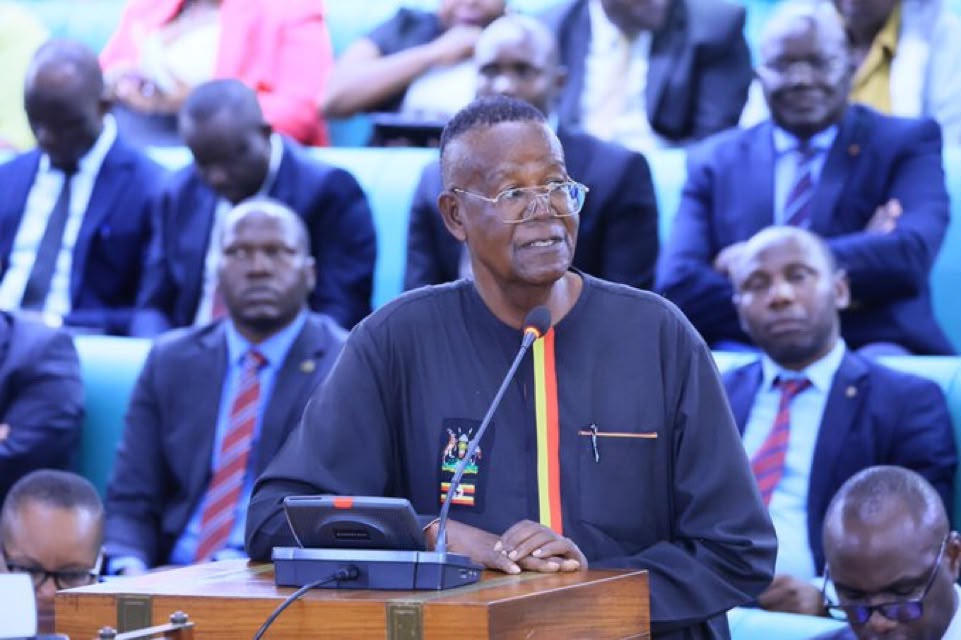
Brig Emmanuel Rwashande, the MP for Lwemiyaga, moved the motion during a plenary sitting chaired by the speaker, Jacob Oboth Oboth.
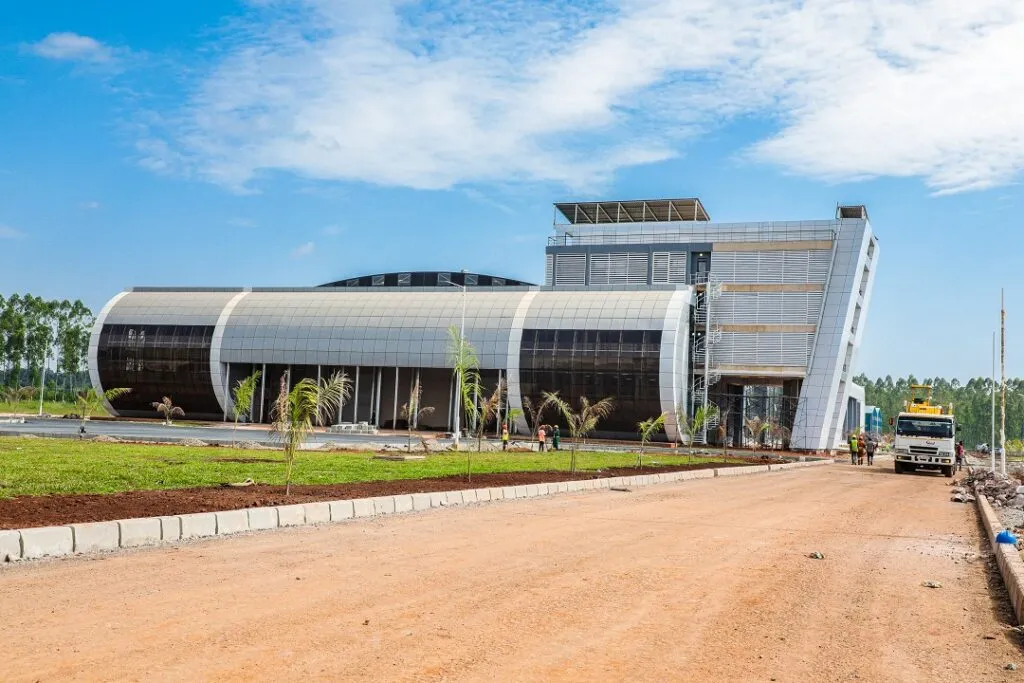
“There is no country in the world that has developed without industries,” he said. He asked the government to direct the UDB to recapitalise the presidential skilling hub in Mbarara and similar centres elsewhere.
Rwashande said it was a pity that Uganda still imported manufactured goods it could make at home, and that this was costing young people jobs.
He proposed tax holidays and incentives so that young Ugandans, especially those who had completed technical training, could get affordable loans.
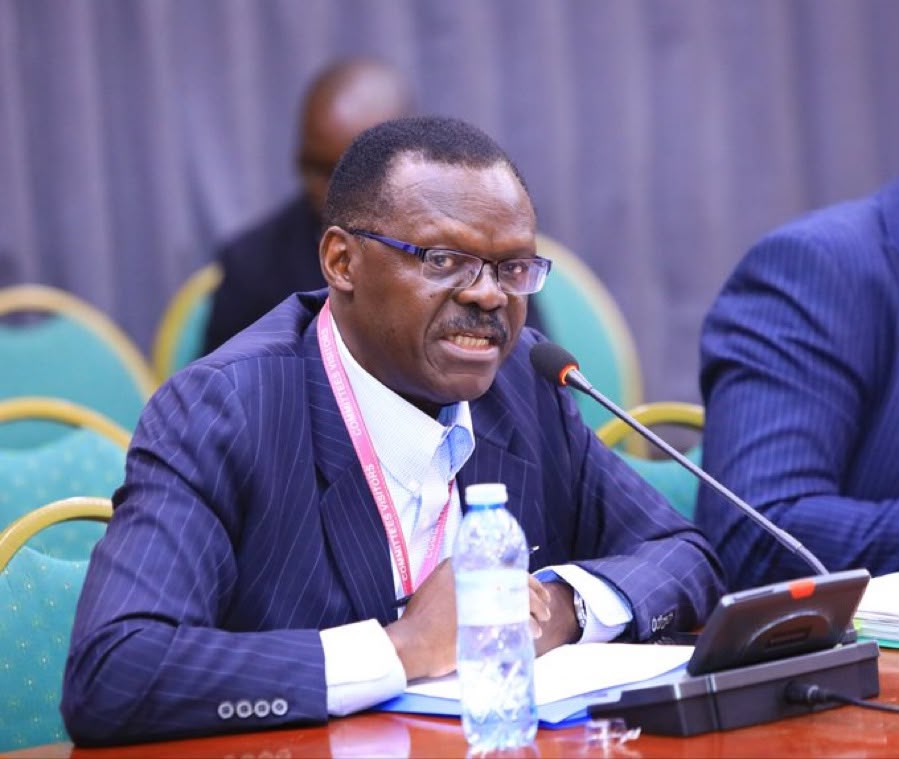
Dr John Bosco Koy Kariisa, the MP for Buhweju West, said industrialisation had to reach districts, villages and subcounties, not only large corporations.
He said the motion aimed to turn young people into producers rather than consumers. Many of them could not borrow from conventional lenders because they had no credit history or security, he added.
Kariisa said industrialisation did not have to begin with huge sums. It could start with shared capital, technology and resources, he said, citing the Mbarara industrial park as proof that small enterprises could empower youth.
He urged MPs to back the motion and to press for a small-scale industrial policy.
Paul Mwiru, the leader of the opposition chief whip’s office, welcomed the motion and said the ruling National Resistance Movement (NRM) was shifting from politicking to production.
Tom Aza, the minister of state for Cooperatives, backed the motion and said it fitted with plans to turn the Uganda Cooperative Bank into a national cooperative bank to support farmers.
Not everyone agreed. The Terego woman MP, Rose Obinga questioned how equity would be ensured and said she could not support it. Constantine Okwi, the MP for Kibale, opposed it because it needed amendments.
Silas Aogon, the Tororo MP, welcomed the motion but said youth MPs should have led it, since youth issues affected them collectively. He added that Uganda had to produce more if it wanted to export more.
Gilbert Oulanyah asked training hubs to enrol more young people to reduce crime and prepare them for opportunities.
Responding, David Bahati, the minister of state for Industry, said industry was central to the economy because it made up 33%.
He said the government had already allocated Shs300bn to manufacturing and agreed that small-scale industries should get money at the Parish Development Model (PDM) interest rate.
Bahati said the government backed agro-industrialisation under the fourth National Development Plan (NDP IV). He also praised parliament’s leadership for steering debate on important matters during his 21 years in the house.