Students continue to perform better in English than in Mathematics, Biology and listening skills, according to the 2025 National Assessment of Progress in Education (NAPE) report released on August 5, 2026.
The assessment, conducted by the Uganda National Examinations Board (UNEB), evaluated learners’ competencies in English, Mathematics and Biology, while also assessing listening skills.
The findings show that both boys and girls registered relatively better performance in English. However, achievement in Mathematics, Biology and listening skills remained below expectations.
The report also found that learners with hearing impairments continued to record low performance in listening language assessments, with an average score of 26 percent.
According to the report, this may be linked to inadequate attention given to learners with special educational needs in some schools.
The assessment further revealed a persistent gap between different categories of schools. Learners in private schools generally performed better than those in government schools.
Similarly, pupils and students in urban schools outperformed their counterparts in rural areas.
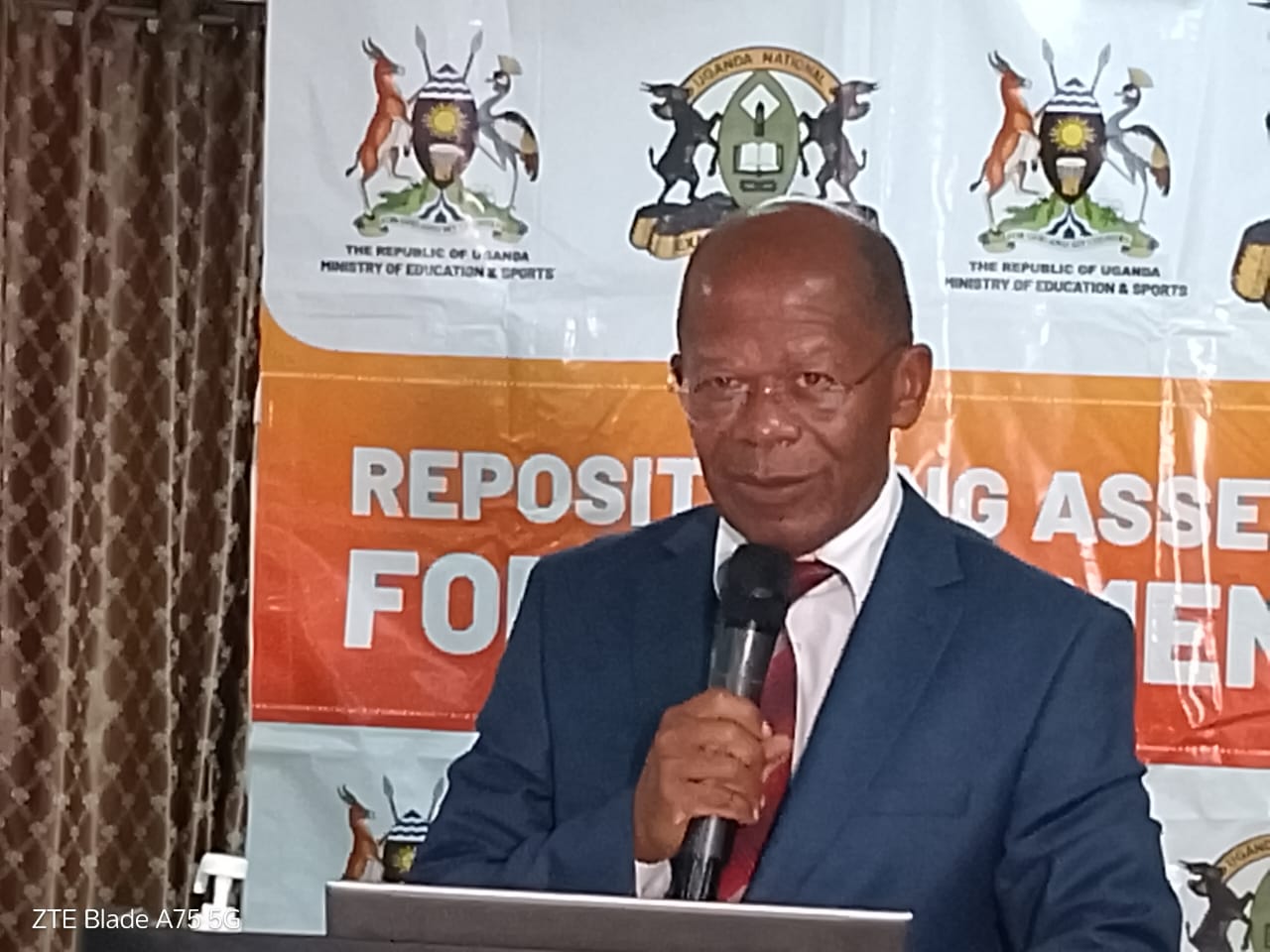
Speaking during the official release of the report at Hotel Africana, Grace Nakiganda Kamuleegeya, a Senior Research Officer at UNEB, said several factors continue to affect the effective implementation of the competency based curriculum.
She cited teacher complacency, inadequate numbers of teachers, limited teaching and learning materials, insufficient affirmative action for vulnerable learners, and limited parental understanding of the curriculum as some of the major challenges slowing progress.
Kamuleegeya said addressing these issues requires the collective effort of government, schools, teachers, parents and other stakeholders.
Patrick Kaboyo, a member of the UNEB Board, said the findings highlight both the progress made and the challenges that still need attention under the competency based curriculum.
He said the education sector should respond to the findings in a comprehensive manner to improve learning outcomes across the country.
“We must address these challenges holistically if we are to achieve the goals of the competency based curriculum,” Kaboyo said.
The acting Minister of Education and Sports, Dr John Chrysostom Muyingo, urged education stakeholders to study and use the report to improve teaching and learning.
He said the NAPE findings provide valuable evidence that can guide policy decisions and classroom practice.
Dr Muyingo described the competency based curriculum as a major reform that equips learners with practical knowledge, skills and values needed to compete in the modern job market after completing their education.
He said government has continued to invest in the education sector through salary enhancement for teachers, construction of more schools and classrooms, and recruitment of additional teachers.
Dr Muyingo expressed confidence that these interventions, together with stronger implementation of the curriculum, will improve learning outcomes in the coming years.
The National Assessment of Progress in Education is conducted periodically to measure learners’ achievement and provide evidence to guide improvements in Uganda’s education system.