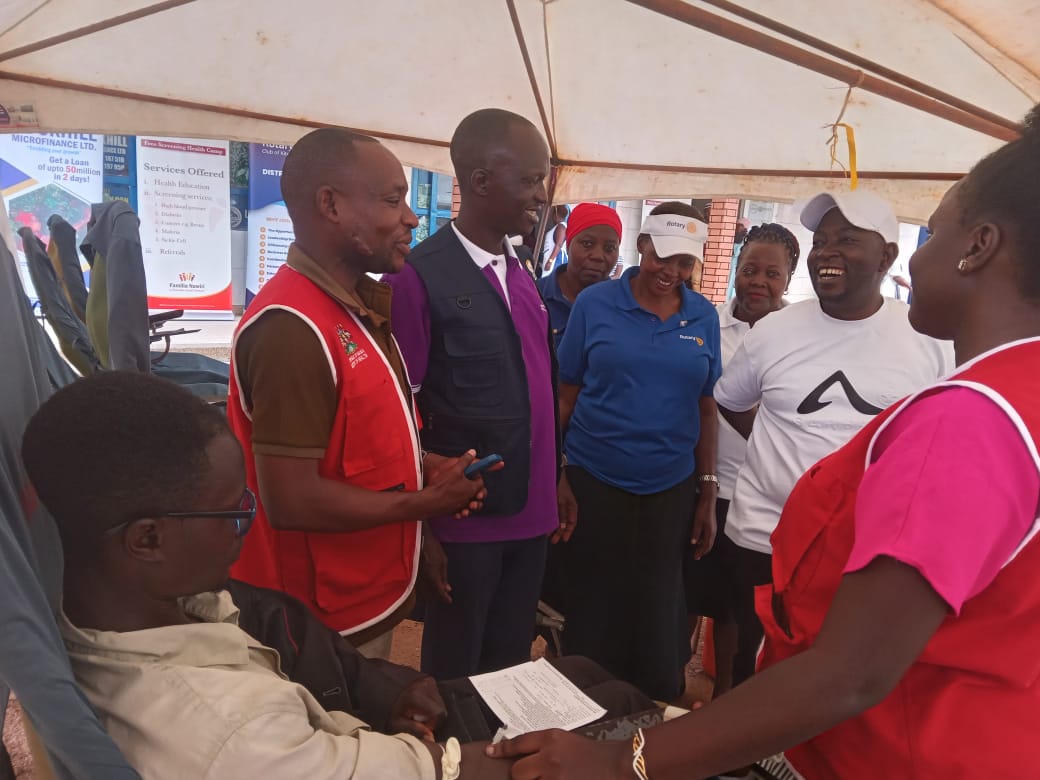
Hundreds of Ugandans turned up at a one-day medical camp in Luwero Town Council today, as the Uganda Cancer Institute (UCI) and a coalition of partners intensified a nationwide drive to screen for cancer and educate communities about the dangers of leaving the disease undetected.
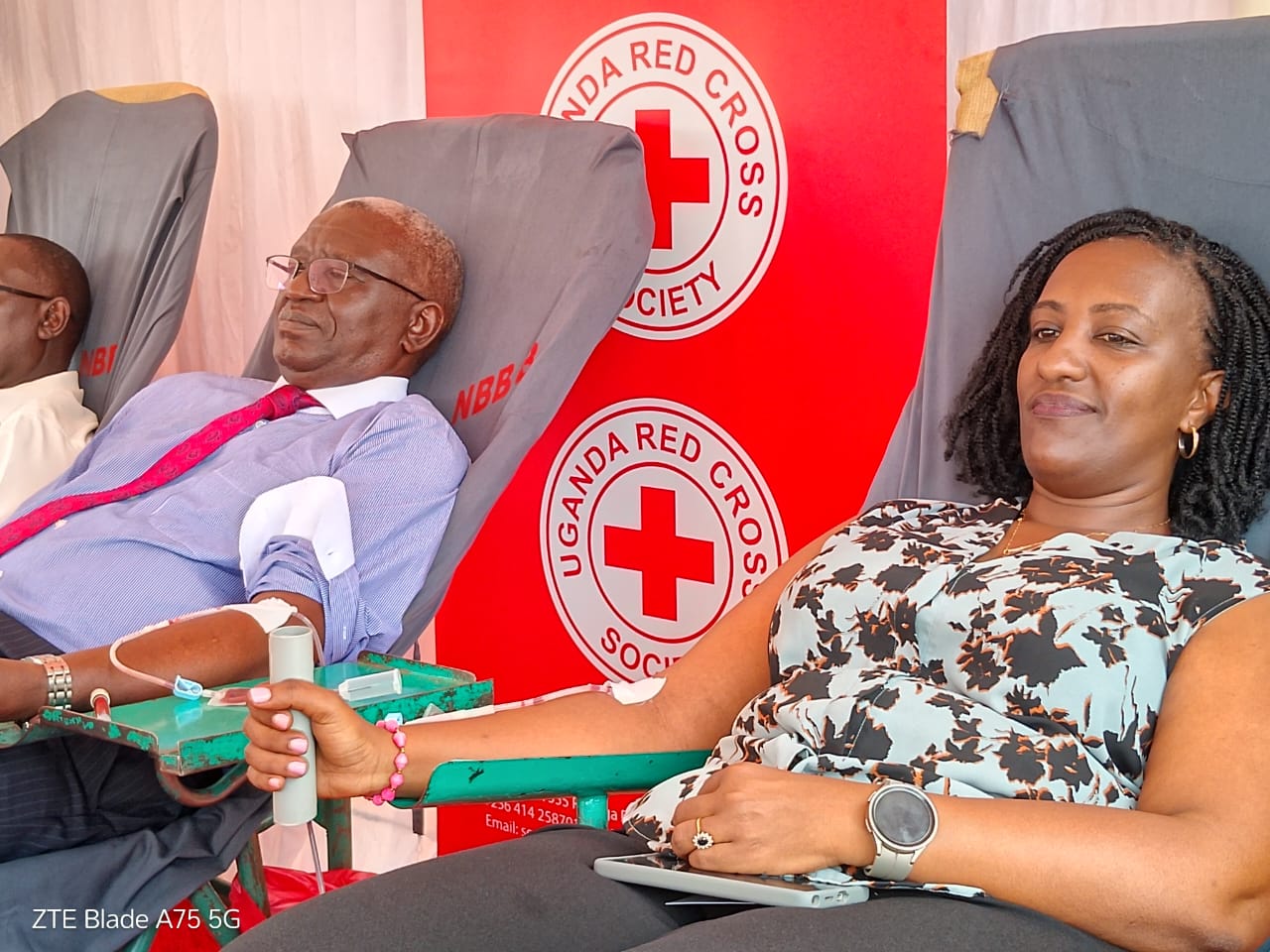
The camp was supported by Kiwoko Hospital, the Uganda Protestant Medical Bureau, the Rotary Club of Kitebi, the Rotary Club of Natete, the Rotary Club of Wobulenzi, Nakasero Blood Bank, and Rockhill Microfinance.
Doctors at the event said the turnout reflected a growing but still insufficient awareness of non-communicable diseases, which are quietly becoming one of Uganda’s most serious public health challenges.
As the country’s population grows, conditions such as cancer, diabetes, and high blood pressure are claiming more lives, with specialists linking the rise to changes in diet, lifestyle, physical activity, and living environments.
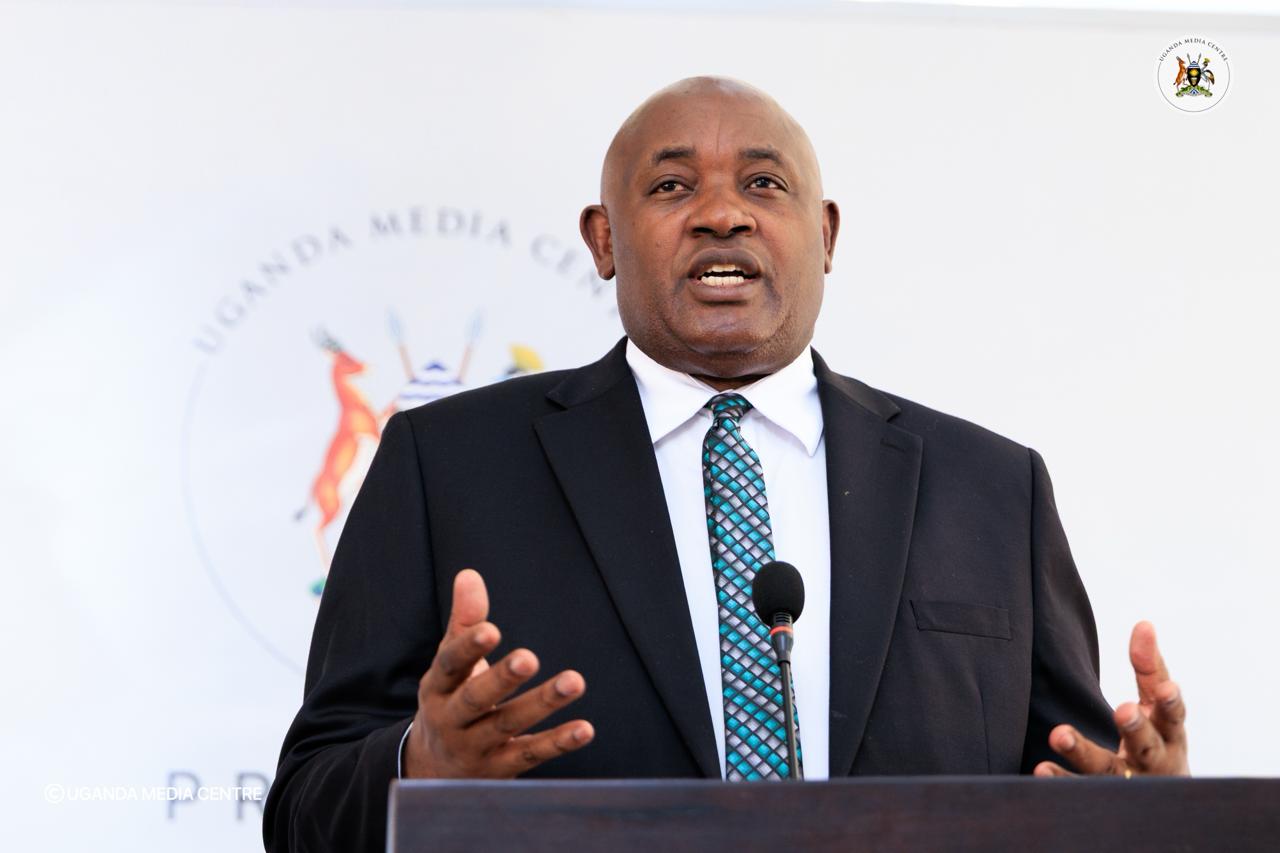
Dr Wilson Okot of the Uganda Cancer Institute told journalists that the scale of the problem becomes clear during outreach camps.
Out of every 100 patients examined at outside medical camps, he said, 20 are women diagnosed with cervical cancer, 16 with breast cancer, and 11 with prostate cancer.
“Cancer, being a non-communicable disease, people sometimes come to realise they are suffering from it when it is no longer reversible,” Dr Okot said. “But once breast, cervical, and prostate cancer are diagnosed early, they can be cured.”
The warning was echoed by health workers in the field.
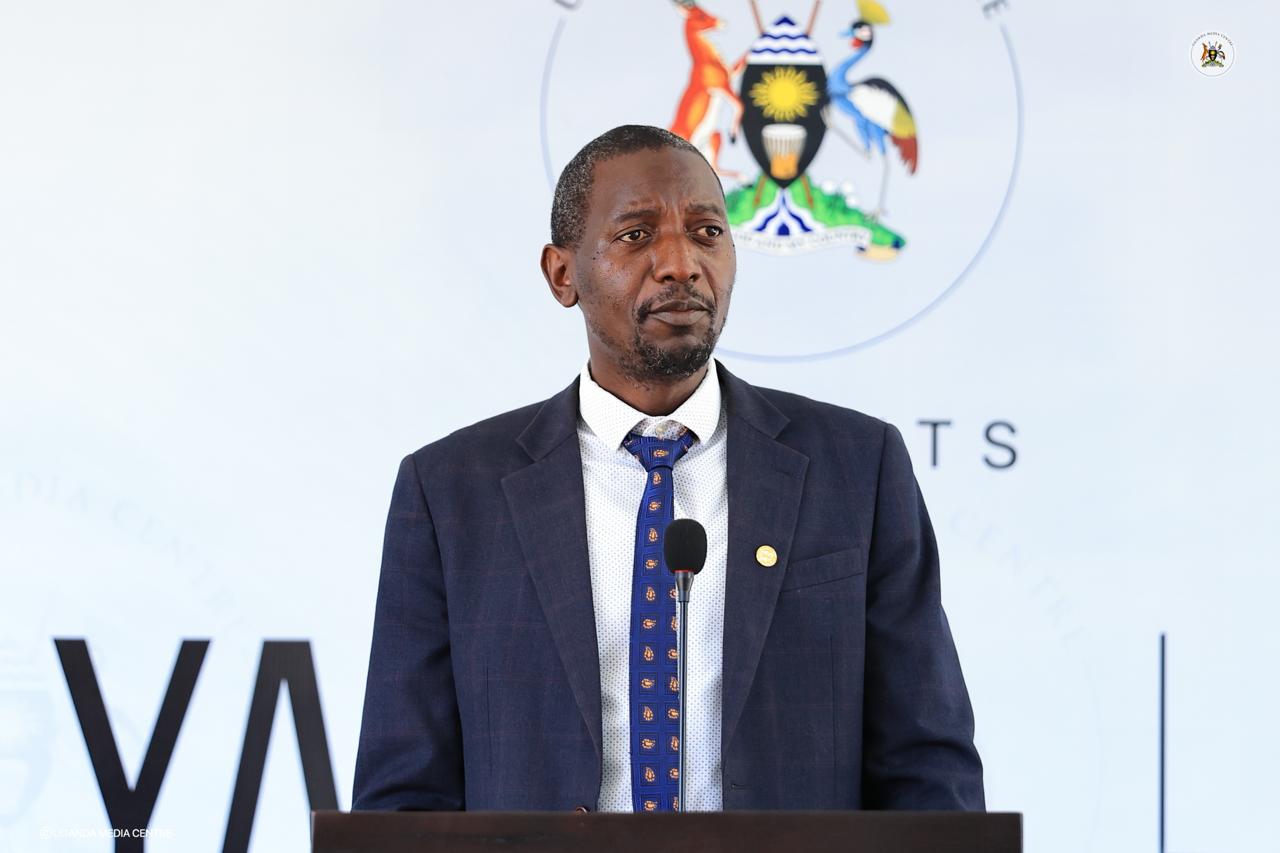
Julius Ejuk, a nurse at Kiwoko Hospital in Luwero, said many patients in rural communities only seek help when their condition has advanced beyond treatment.
Others, he said, believe their illness is the result of witchcraft and turn away from medical care altogether, sometimes fatally.
“Here at Kiwoko Hospital, we regularly receive all kinds of patients, including those with high blood pressure, diabetes, sickle cell disease, and hepatitis B,” Ejuk said.
He added that a shortage of testing equipment for hepatitis B remained one of the biggest challenges facing the hospital, and called on the government to increase support for health facilities across the country.
The event also drew community leaders and volunteers. Sylvia Mayambala and Godfrey Ssenyonjo, both members of the Rotary movement, urged Ugandans to support health initiatives of this kind.
“These are the programmes that will make Uganda healthier. We all have a role to play,” Mayambala said.
Specialists at the camp stressed that early diagnosis remains the single most effective tool in the fight against cancer. Without it, they warned, many Ugandans will continue to seek help only when it is too late.