By Catherine Psomgen

For decades, corporate social responsibility (CSR) across Africa has largely revolved around donations, charity drives, and short-term community interventions. While these initiatives remain important, they often fall short of creating lasting, systemic change.
Increasingly, the future of impactful corporate responsibility lies in sustainable investments that develop people, strengthen institutions, and shape future economies.
This is why the Equity Leaders Program (ELP), an initiative of the Equity Group Foundation, stands out as one of the continent’s most compelling models of modern CSR.
At its core, the Equity Leaders Program is not simply a scholarship initiative. It is a deliberate investment in human capital, leadership development, and socio-economic transformation.
By identifying academically outstanding students from Uganda, Kenya, Rwanda, and the Democratic Republic of Congo, the programme is helping to build a pipeline of future African leaders equipped with the skills, exposure, and networks needed to compete globally while transforming their communities at home.
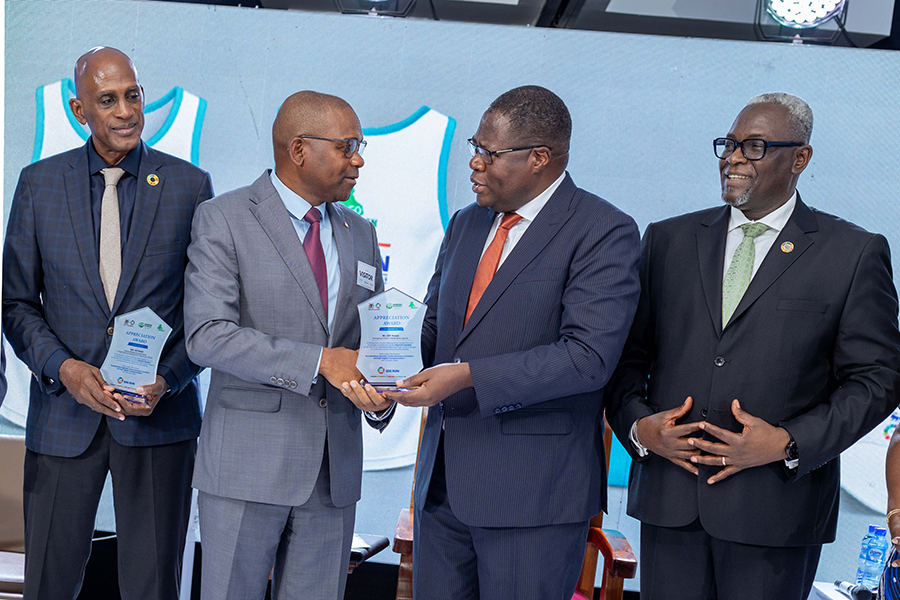
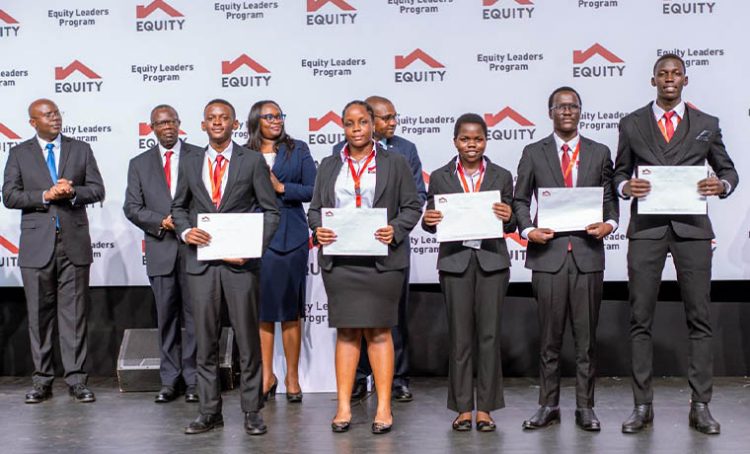
In Uganda, Equity Bank recently commissioned 100 scholars into the fifth cohort of the programme, bringing the total number of beneficiaries to 512 since its launch in the country in 2022.
At the same event, the bank celebrated the graduation of 81 scholars from the maiden cohort, who completed studies in disciplines ranging from engineering and statistics to law and technology.
What makes the ELP fundamentally different from many traditional CSR initiatives is its long-term, ecosystem-driven approach.
Rather than providing temporary support, the programme offers mentorship, leadership development, paid internships, career coaching, networking opportunities, and university counselling throughout a scholar’s academic journey.
The internship component is a strong example of shared value creation. Scholars undertake paid internships at Equity Bank branches and departments, gaining practical workplace exposure, professional discipline, and hands-on experience early in their careers.
At the same time, the bank is able to identify, nurture, and build relationships with talented young professionals who may later contribute to the institution and the wider economy.
This is where CSR becomes strategic rather than symbolic. Companies that invest in youth empowerment are not merely supporting communities. They are investing in future talent, innovators, consumers, and leaders.
The programme’s results are already evident.
Across the region, ELP scholars have secured admission to leading institutions around the world, including Harvard University, New York University, the University of Waterloo, the University of Delhi, the Moscow Aviation Institute, universities in China, and Frankfurt University. Many have accessed fully funded scholarships and global university pathways facilitated through the programme.
This international exposure matters for Africa’s future. Scholars who return home bring with them global networks, technical expertise, leadership capabilities, and broader perspectives that can contribute to local industries and institutions. In this way, the programme is helping to strengthen Africa’s leadership and innovation ecosystem.
Importantly, the Equity Leaders Program also demonstrates the value of inclusive CSR. Scholars are selected from districts across Uganda and the wider region, ensuring that opportunities extend beyond traditional urban centres and elite schools.
This approach promotes social mobility, narrows opportunity gaps, and gives talented young people from underserved communities access to life-changing opportunities.
Modern stakeholders increasingly expect companies to demonstrate strong and measurable social impact. Consumers, employees, investors, and regulators are no longer impressed by visibility-driven CSR campaigns that deliver little long-term value.
Programmes such as ELP resonate because their outcomes are tangible, transformational, and deeply human.
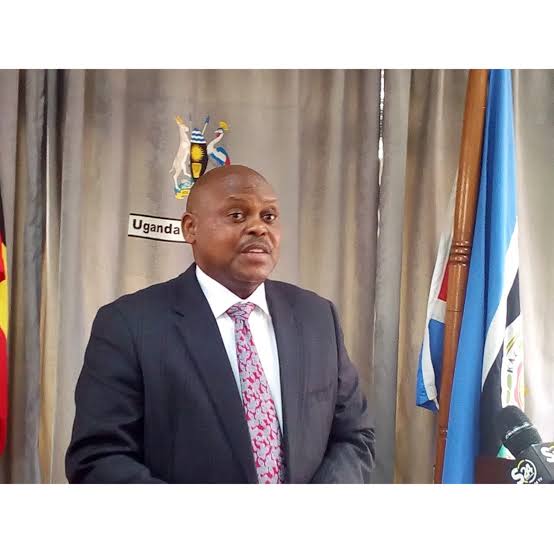
As Equity Bank Uganda Managing Director Gift Shoko recently noted during the commissioning ceremony, the programme is “not only supporting academic excellence but also nurturing leaders who will drive innovation, integrity and sustainable growth for Uganda.”
That statement captures the broader significance of the initiative. This is not merely charity. It is an investment in nation-building.
The programme’s success also offers an important lesson for corporate Africa. Meaningful CSR requires ecosystem thinking. Financial support alone is not enough.
Young people need mentorship, coaching, workplace exposure, leadership development, emotional intelligence, and access to professional networks if they are to transition successfully into leadership and economic participation.
Africa has one of the youngest populations in the world. This demographic reality presents either a significant challenge or a tremendous opportunity, depending on how institutions respond.
Companies that intentionally invest in education, leadership, innovation, and employability will play a defining role in shaping the continent’s future competitiveness.
The Equity Leaders Program demonstrates that corporate responsibility can move beyond philanthropy and become a strategic driver of sustainable development, economic inclusion, and leadership transformation.
If more organisations adopted this approach, CSR would no longer be viewed as a compliance requirement or a public relations exercise. Instead, it would become what it was always meant to be: a long-term investment in shared prosperity, institutional growth, and the future of society.
The author is the director, Public Sector and Social Investments, Equity Bank Uganda