MPs from border districts have warned residents to remain vigilant following the outbreak of Ebola in Uganda and neighbouring Democratic Republic of Congo (DRC).
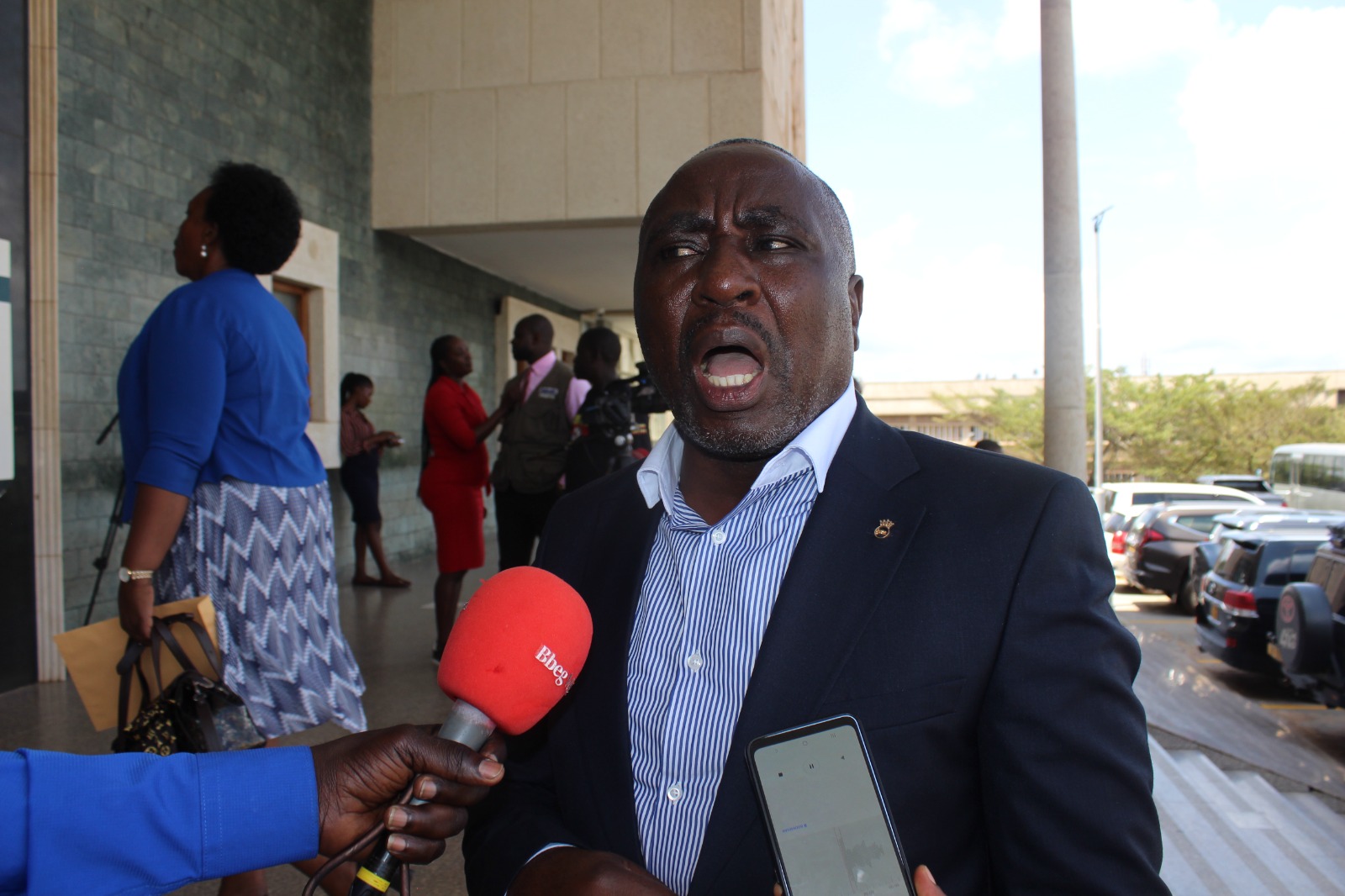
Speaking to Bbeg Media, the legislators urged communities to follow health guidelines and avoid unnecessary gatherings as authorities intensify efforts to prevent the spread of the deadly virus.
Frederick Angura, the MP for Tororo South, and Christopher Kibazanga of Bughendera County in Bundibugyo, said communities in border areas remain highly vulnerable because of frequent cross-border movement between Uganda and the DRC.
“We call upon our people to exercise maximum caution over the spread of the disease. Since my constituency borders the Democratic Republic of Congo, we were among the most affected areas during previous outbreaks,” Kibazanga said.
Angura urged Ugandans to avoid crowded places and observe public health measures to minimise the risk of infection.
The latest outbreak involves the Bundibugyo strain of Ebola, a rare variant first identified in western Uganda in 2007. Health experts say the strain is particularly difficult to contain because there is currently no approved vaccine or specific treatment for it.
The World Health Organization (WHO) has already declared the outbreak in Uganda and the DRC a public health emergency of international concern after confirmed infections were reported in both countries.
According to WHO, the outbreak began in the mineral-rich Ituri Province in eastern DRC, where health officials reported clusters of severe illness and deaths in the towns of Mongbwalu, Rwampara, and Bunia.
As of May 19, more than 240 suspected cases and at least 130 deaths had been recorded in the DRC.
Uganda has confirmed two imported cases linked to travellers from the DRC, including one death in Kampala. Health officials say there is no evidence yet of widespread local transmission inside Uganda, although surveillance and contact tracing have been intensified.
Health experts say the Bundibugyo strain has a lower transmission rate compared with the more common Zaire strain, but it still carries a high fatality risk, especially in areas with limited medical facilities. Symptoms include fever, vomiting, diarrhoea, weakness, and bleeding in severe cases.
The two MPs also raised concerns about Uganda’s preparedness to handle a larger outbreak.
They pointed to the absence of visible Ebola screening measures at Parliament despite the institution receiving hundreds of visitors, staff members, and legislators every day.