The ministry of Health has said Uganda has not registered any confirmed Ebola cases, including among people currently under quarantine, as authorities intensify surveillance following a growing outbreak in neighbouring Democratic Republic of Congo (DRC).
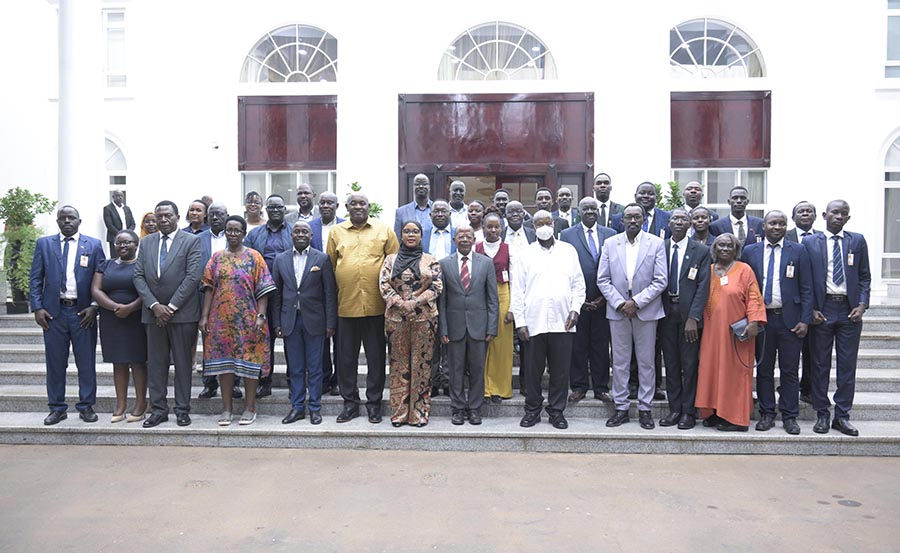
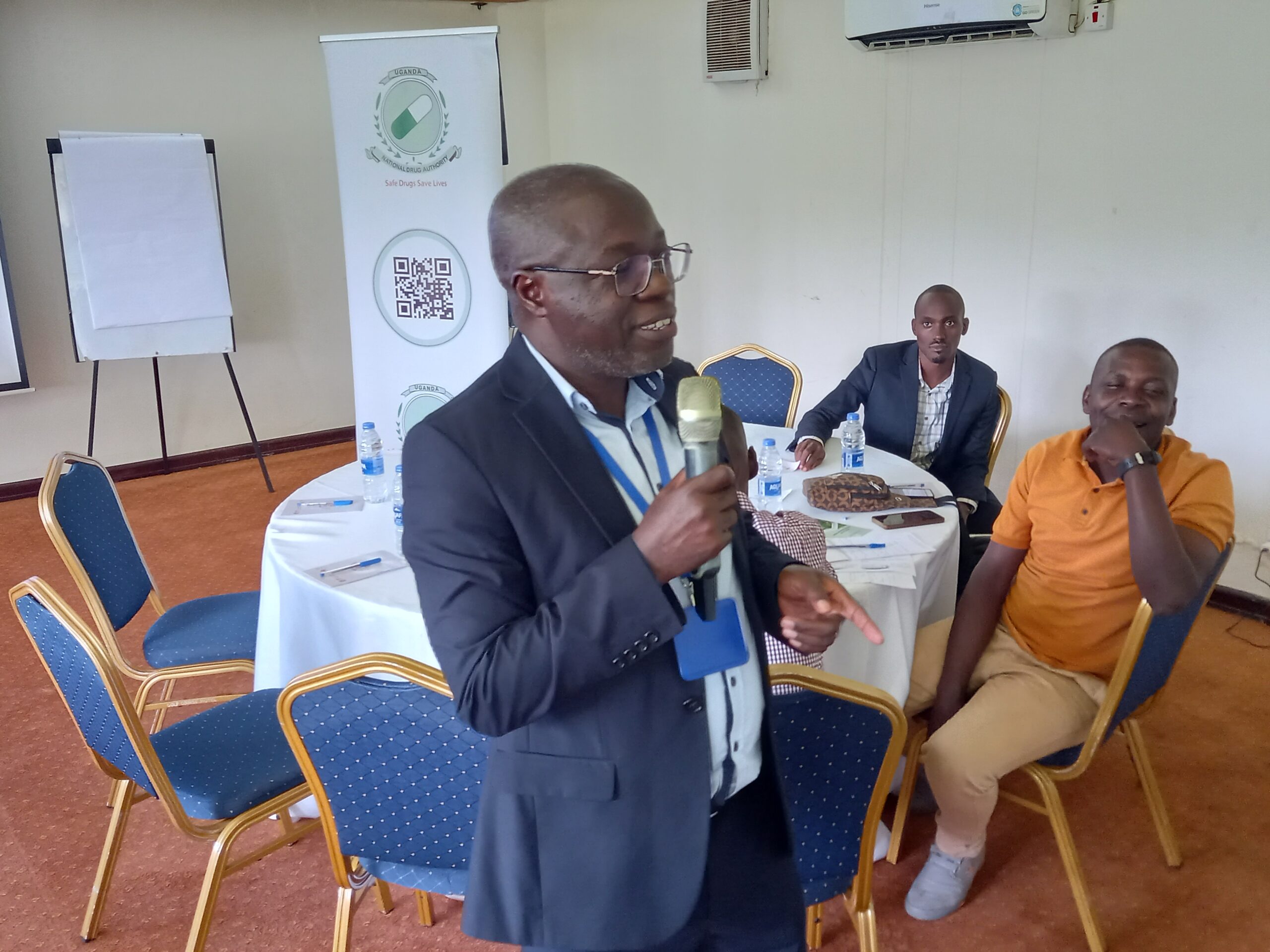
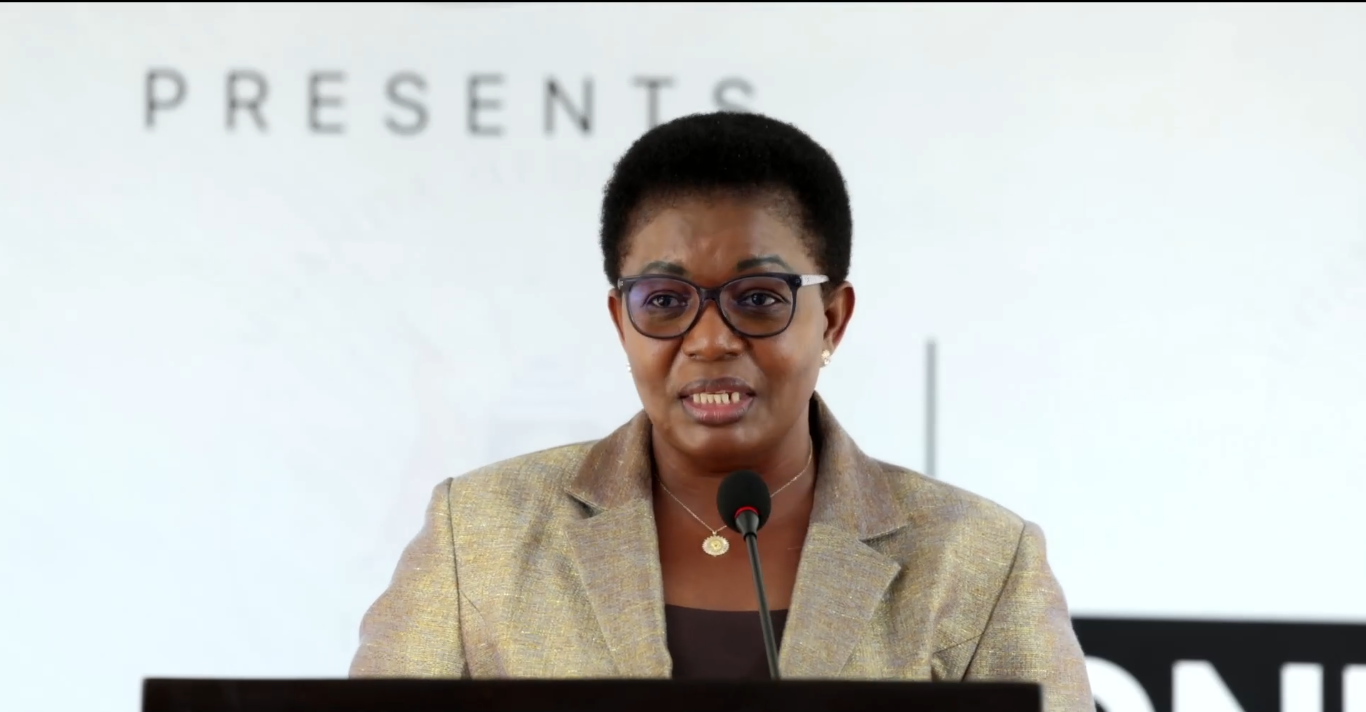
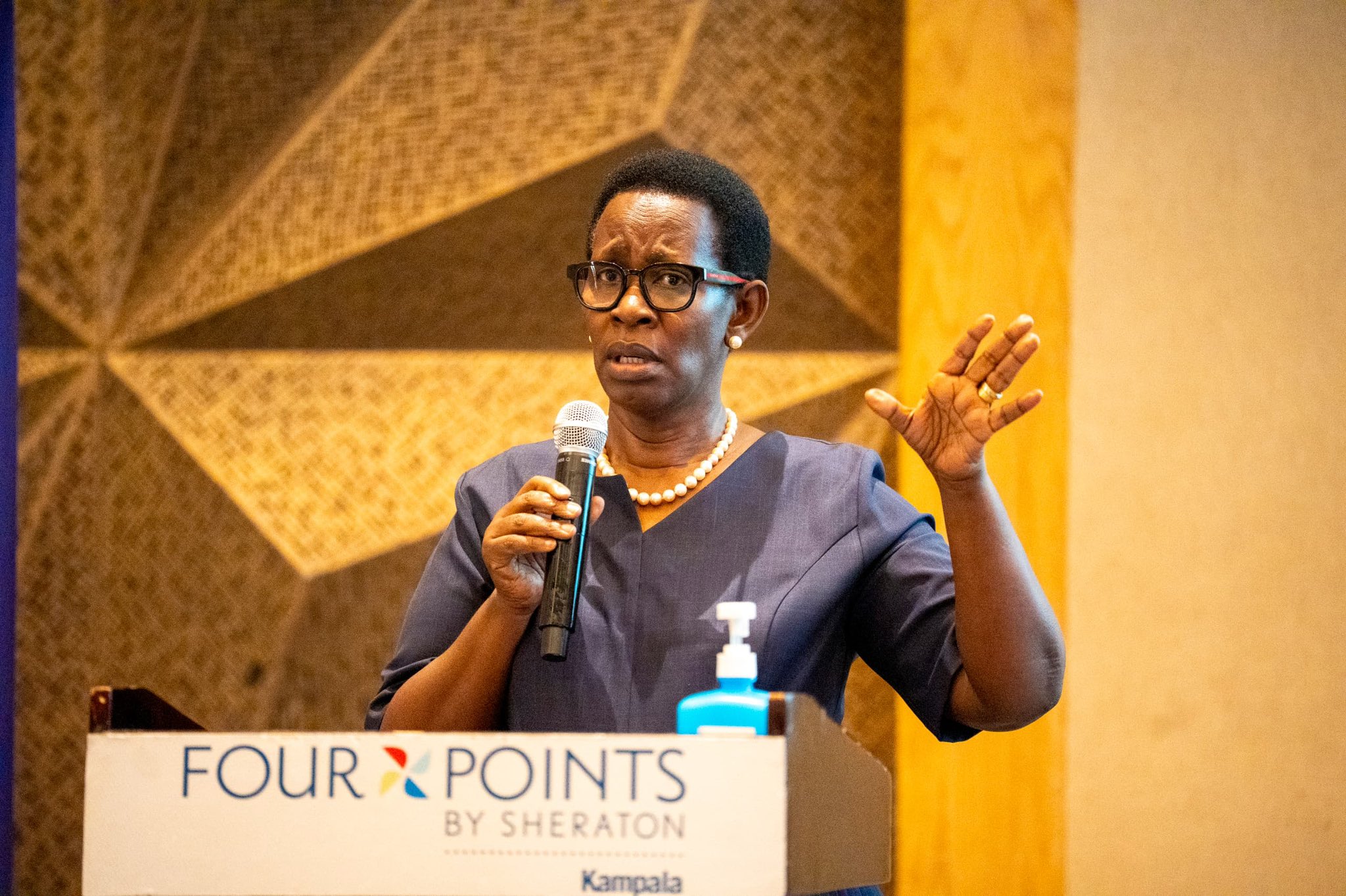
Speaking during a meeting with development partners and ambassadors in Kampala, the ministry’s Permanent Secretary, Dr Diana Atwine, said Uganda remained on high alert but had not recorded any confirmed infections.
“We do not have any registered case of Ebola. We are keenly intensifying preventive measures to control any imported cases as well as transmission within the country,” Dr Atwine said.
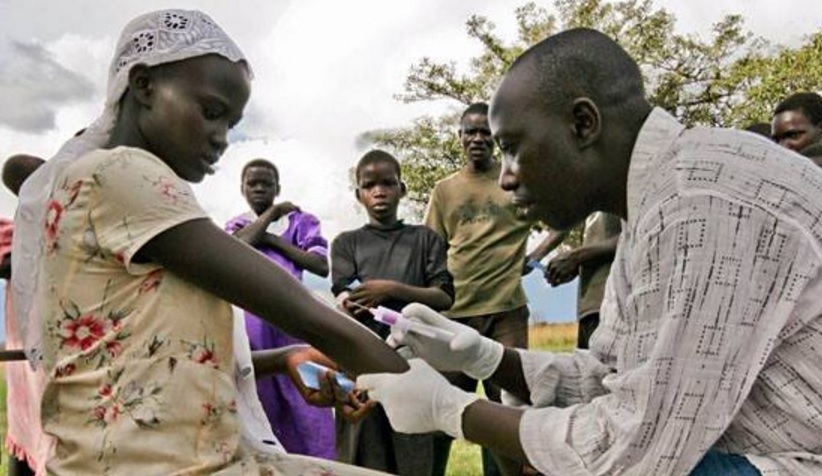
She said the government had deployed health workers at all major border points and in high-risk districts along the Uganda-DRC border, where the virus has been circulating.
Uganda’s response comes amid a rapidly evolving outbreak in eastern DRC, where health authorities have confirmed infections linked to the Bundibugyo strain of Ebola, a highly infectious viral haemorrhagic fever for which there is no approved vaccine.
The outbreak has been complicated by insecurity in the mining areas of Ituri province, delayed detection, and limited laboratory capacity.
According to the World Health Organization (WHO), hundreds of suspected cases and dozens of deaths have been recorded across affected provinces in DRC, with cross-border movement raising concerns of regional spread into Uganda and South Sudan.
WHO has already classified the situation as a Public Health Emergency of International Concern, citing uncertainty over the true scale of transmission and the risk of wider regional spread.
The outbreak has triggered heightened screening at border crossings, public health alerts, and community surveillance campaigns in districts such as Kasese, Bundibugyo, and others along the western frontier.
While opening the Pearl of Africa Tourism Expo yesterday, President Museveni said there was “no need for alarm” and stressed that the situation was under control.
He, however, called for continued vigilance, border surveillance, and public cooperation with health teams.
Dr Atwine said the government is still finalising the total financial requirement needed to sustain the response.