The Joint Energy and Environment Projects (JEEP) has introduced a range of environmentally friendly technologies aimed at helping farmers, schools and communities adopt cleaner and more efficient ways of producing energy and handling agricultural products.
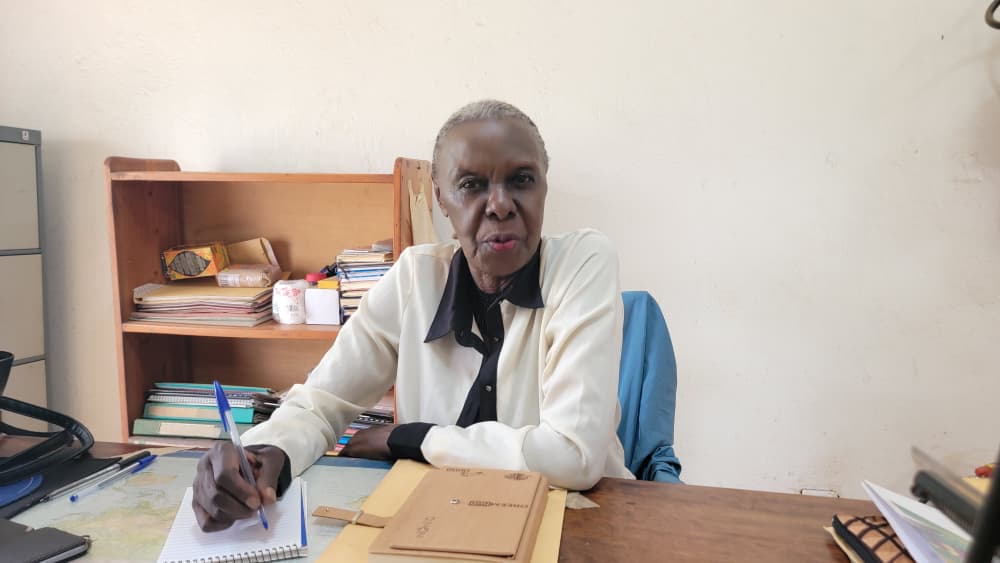
Ruth Kiwanuka, the chief executive officer of JEEP, said the organisation was promoting technologies such as biogas systems, solar lighting, solar dryers, solar cold storage and energy-saving cooking stoves.
Kiwanuka made the remarks during an interview with Bbeg Media at JEEP’s headquarters in Kyanja, along Gayaza Road.
“We have come up with technologies to support our farmers and the entire communities because we have always been at the centre of environmental conservation,” Kiwanuka said.
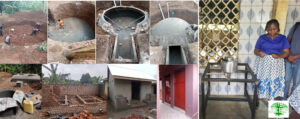
One of the technologies being promoted by JEEP is biogas, which allows communities and institutions to turn animal waste and other organic waste into cooking gas.
Kiwanuka said waste is collected and fed into a biodigester, where it is processed to produce biogas that can then be used for cooking.
The technology has been used in both schools and communities as part of efforts to reduce dependence on traditional cooking fuels.
JEEP also promotes solar lighting and solar technologies that can be used in agricultural activities.
These include solar dryers and solar cold storage systems, which can help farmers preserve and improve the quality of their agricultural produce.
Kiwanuka said farmers had traditionally faced challenges drying produce, especially during periods of heavy rain or high humidity.
She said solar dryers could help farmers dry products such as coffee, maize and cotton more efficiently before they are taken through further stages of processing and value addition.
“This helps farmers to dry their products and later add value during the final stages of processing,” Kiwanuka said.
JEEP is also promoting several energy-saving cooking technologies, including Rocket Lorena stoves, shielded cookstoves, institutional energy-saving stoves and Save 80 stoves.
The organisation says improved cooking technologies can help reduce the amount of firewood and other biomass used for cooking while also reducing smoke and improving efficiency.
JEEP was established in 1983 after deforestation and soil erosion were identified as major threats to the welfare of Ugandans. The organisation has since focused on environmental conservation, public awareness, training and the promotion of renewable energy and energy-saving technologies.
Kiwanuka, who has served as JEEP’s CEO since 2002, said the organisation had worked with communities for many years to promote practical environmental solutions.
However, she expressed concern about what she described as inadequate commitment from some local government leaders to continue implementing and supervising environmental programmes after JEEP-supported projects have been introduced in communities.
She said stronger involvement by local governments was necessary if environmental projects were to remain effective after non-governmental organisations had completed their interventions.
Kiwanuka also called on Parliament, particularly committees dealing with climate change and agriculture, to consider practical reforms to Uganda’s environmental laws.
She said stronger implementation and enforcement of environmental laws was necessary to protect the country’s ecosystems, which support wildlife, forests, birds, plants and other natural resources.
Uganda’s natural environment also supports the tourism sector, which depends heavily on the country’s wildlife and natural attractions.
Kiwanuka said JEEP would continue working with universities and other institutions to give students practical exposure to environmental and agricultural technologies.
The organisation has been collaborating with students from Makerere University, Kyambogo University, Busitema University and Makerere University Business School.
The students are drawn from fields including water and irrigation engineering, agricultural engineering, bio-processing engineering, agricultural sciences and environmental engineering and management.
Kiwanuka said such partnerships were important because students could gain practical experience while JEEP benefited from research, innovation and new ideas from institutions of higher learning.
JEEP has also continued to work with international partners on renewable energy and environmental conservation projects. Its documented partnerships include organisations in Denmark and other international development institutions.
Kiwanuka said funding challenges affecting development organisations had made the work more difficult, but JEEP was continuing with its programmes through partnerships.
She said the organisation remained committed to working with its long-standing partners in Denmark to promote renewable energy and environmental conservation in Uganda.