A quiet clean cooking revolution is taking place at St Andrew’s Secondary School in Rubindi, Mbarara District, where a new energy-saving cooking system is helping the school reduce costs, improve working conditions and protect the environment.
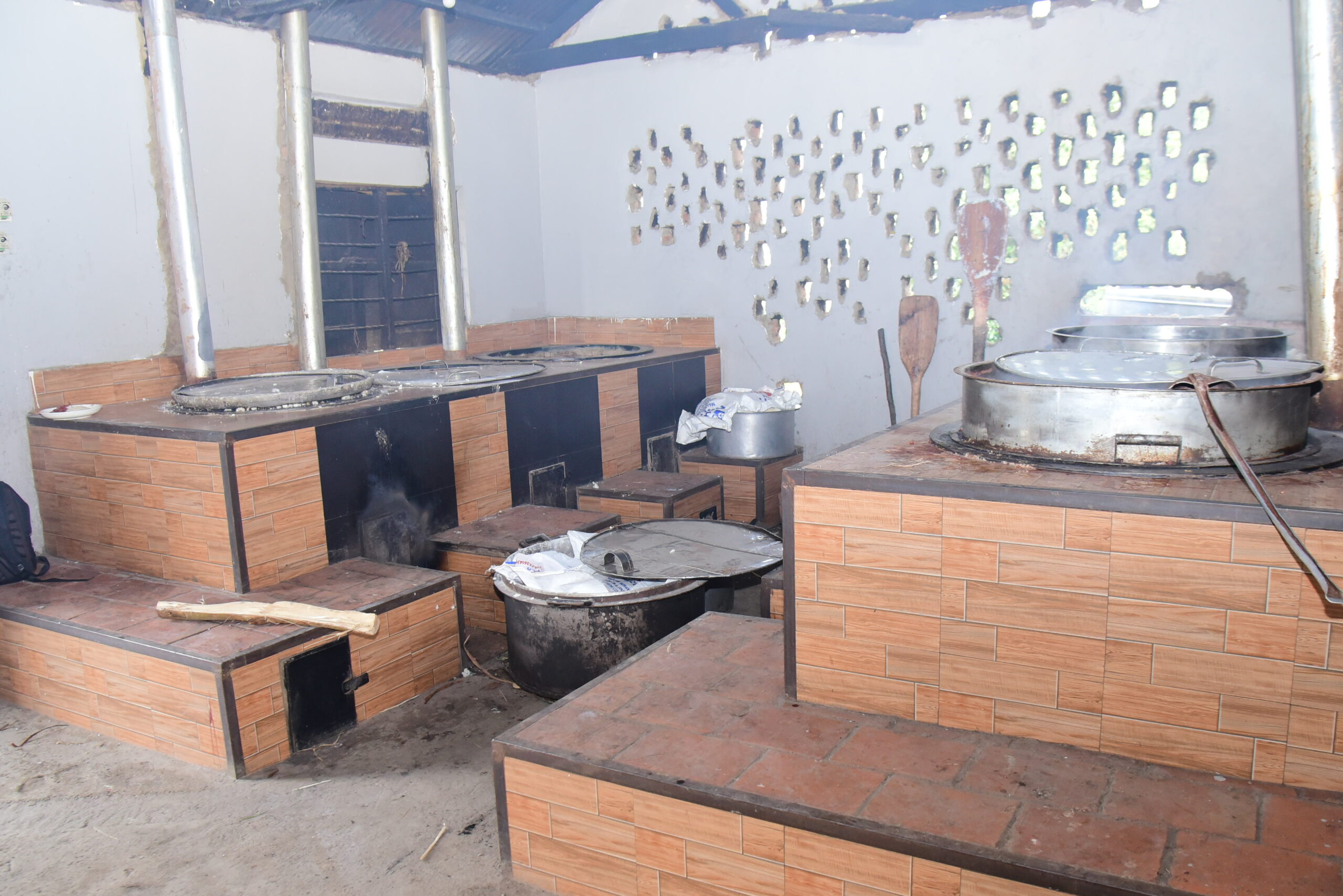
For years, the school relied on traditional cookstoves and large quantities of firewood to prepare meals for students and staff. The kitchens were often filled with smoke, soot-covered walls and high temperatures, creating difficult working conditions for cooks and other kitchen staff.
School administrators say they frequently received complaints about the health effects of working in the smoky environment and began searching for a more sustainable solution.
The school eventually partnered with Ebenezer Energy Saving Stoves, a company that manufactures improved energy-saving cookstoves, to install a modern cooking system designed to reduce firewood consumption and smoke emissions.
The project has transformed the school’s kitchen operations.
According to Robert Bayo, the headteacher of St Andrew’s Secondary School Rubindi, the school previously spent large sums of money on firewood every year.
“Before this method, we used 15 lorries of firewood per term. That translated into 45 lorries a year, with each lorry costing about Shs400,000,” Bayo said.
He explained that the school was spending approximately Shs 18 million annually on firewood.
“When this new method was proposed, the school management committee approved the transition to a smart kitchen. Since adopting the system, we have only used three lorries of firewood this term and expect to use about six lorries for the entire term,” he said.
If those projections are realised, the school’s annual firewood bill could fall from about Shs18 million to around Shs3 million, representing savings of roughly Shs15 million a year.
The school also renovated its kitchen to accommodate the new system. The improvements included rebuilding parts of the kitchen, installing the new cookstoves and repainting the walls.
Unlike the previous setup, the improved stoves produce less smoke, ash and heat, making the kitchen cleaner and safer for workers.
Bayo said the school hopes to further reduce its dependence on firewood in the future.
“I hope Ebenezer can help us acquire a system that completely eliminates the use of firewood because this technology has already proved to be very effective,” he said.
Mr Timothy, the chairperson of the school’s Parent-Teacher Association, said parents supported the project because of its financial and environmental benefits.
“One of the biggest advantages is the reduction in money spent on firewood. The savings can now be invested in other school projects,” he said.
He added that the school has also reduced pressure on its woodlot.
“The school no longer has to cut down trees from its forest for firewood. Those trees can now be used for other purposes such as making furniture,” he said.

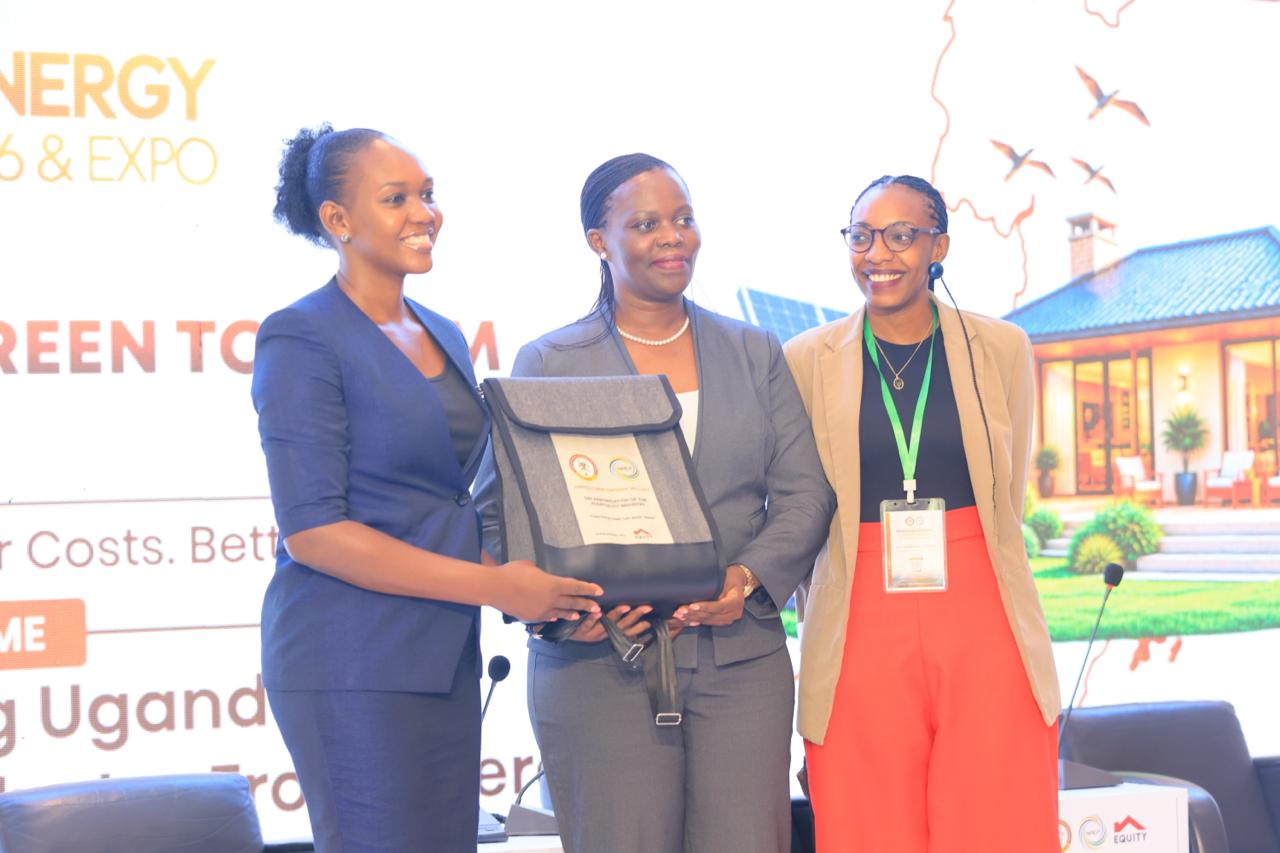
The transformation was made possible through the Results-Based Financing (RBF) Programme, a partnership involving Equity Bank Uganda, Energising Development (EnDev) Uganda and GIZ.
The programme provides incentives to suppliers such as Ebenezer Energy Saving Stoves to expand access to clean cooking and renewable energy technologies for households, schools and businesses.
Virginia Semakula, Equity Bank Uganda’s Manager for Energy, Environment and Climate Change, said the initiative has helped accelerate the adoption of clean energy solutions across the country.
“The impact has been significant. Through our partnership with GIZ, we have expanded access to clean cooking systems and solar technologies in different communities,” she said.
According to Semakula, schools, businesses and households have reduced their dependence on charcoal, firewood and kerosene by adopting cleaner and more efficient energy solutions.
Businesses such as salons, retail shops and farms have also embraced solar-powered technologies, enabling them to operate longer hours while reducing energy costs.
In Rubindi, neighbouring schools have taken notice of St Andrew’s success and are exploring similar clean cooking technologies as they seek to reduce costs and lessen their impact on the environment.
For St Andrew’s Secondary School, the switch to clean cooking is proving that smart energy investments can improve health, reduce expenditure and support environmental conservation at the same time.