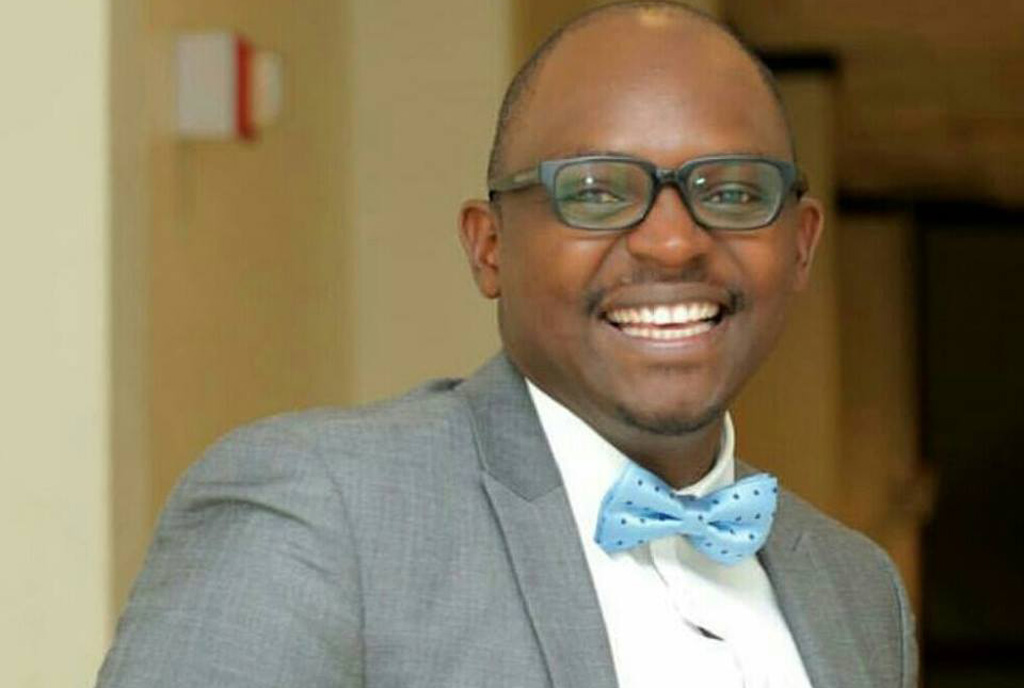
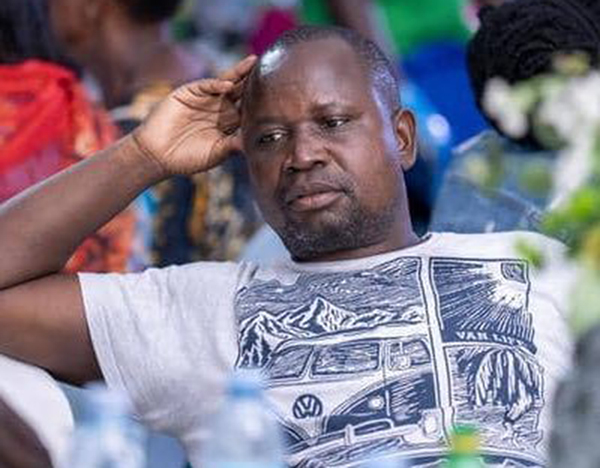
Chris Obore, the long-serving and outspoken director of Communications at Parliament, is said to be navigating one of the most delicate moments of his career following the election of Jacob Oboth-Oboth as speaker of the 12th Parliament.
Sources within Parliament told Bbeg Media that in recent weeks, Obore has become cautious as the new leadership settles into office.
Within the corridors of Parliament, there is growing speculation that changes could be made within the communications directorate, potentially affecting his position.
Yet for Obore, who has built a reputation as one of Parliament’s most resilient survivors, the uncertainty is familiar territory.
Before his current predicament, he was among the most vocal defenders of former Speaker Anita Among.
On social media platform X, he repeatedly pushed back against critics of Among and Parliament during periods of intense public scrutiny.
In one post, he criticised what he described as coordinated attacks against Parliament, while in another he was photographed kissing Among’s poster.
His vehement public support for Among earned him admirers within her camp but also critics who felt the communications chief had become too closely associated with the former speaker’s political battles.
Some argued that Obore, who hails from Bukedea as Among, ought to have concentrated more on his role as communications chief.
Now, with Among having fallen out of favour with President Museveni and a new parliamentary leadership taking charge, Obore finds himself in an uncomfortable position.
Sources close to the new administration say there is discussion about restructuring some departments within Parliament.
Although no official decision has been announced, some insiders believe the communications directorate could be affected, and in particular, Obore’s position. He could be transferred to another directorate.
To be clear, Obore enjoys a measure of job protection. Unlike many political appointees, he was recruited by the Parliamentary Commission on permanent and pensionable terms.
That status makes it difficult for any leadership to remove him outright without following established procedures.
Obore’s appointment to the position in August 2015 itself attracted controversy.
According to the job advert, the candidate who was sought by Parliament was expected to hold a degree in Mass Communication, Communication Studies, Journalism, or Arts with Communication and Public Relations plus a master’s degree in a relevant field.
Obore, at that time, was still undertaking a master’s degree at Uganda Management Institute (UMI) in Public Policy.
Still, former Speaker Rebecca Kadaga backed his recruitment over another senior journalist, Charles Mwanguhya Mpagi, because she wanted a more aggressive and proactive communications operation at Parliament, which was increasingly facing criticism from the public and media.
Obore, then a prominent journalist known for his outspoken style, fitted that vision.
He replaced Helen Kaweesa, who was widely viewed as a professional and experienced bureaucrat with a more reserved approach to public communication.
The relationship between Kadaga and Obore, however, would later deteriorate and turn into a bitter fallout.
In 2019, Obore was suspended and barred from accessing his office at Parliament on allegations that he was recruited illegally.
After Jane Kibirige, the then Clerk to Parliament, terminated his services, he responded by taking Parliament and the Inspector General of Government to court in an effort to challenge the decision.
But before the legal dispute could be fully resolved, political events intervened in his favour.
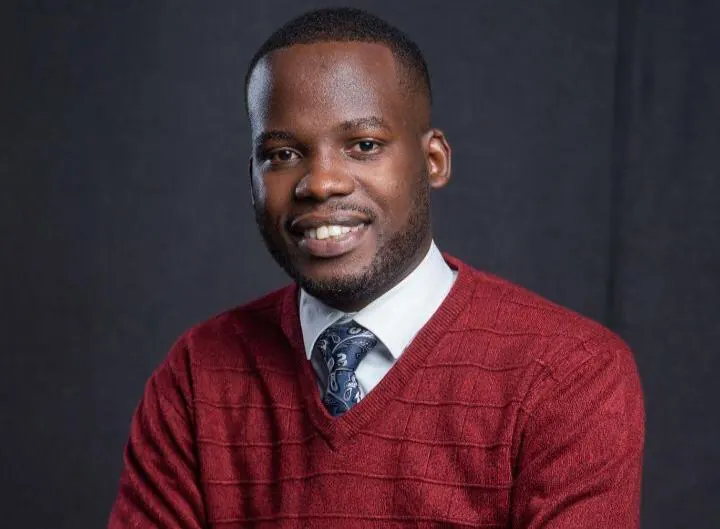
Charles Odongtho ‘favoured’ to replace Joseph Sabiti as Oboth-Oboth’s PRO
In 2021, Kadaga lost the race for Speaker to Jacob Oulanyah, dramatically changing the balance of power within Parliament.
Obore returned. And he returned with renewed influence.
When Among replaced Oulanyah in 2022, he engaged a higher gear.
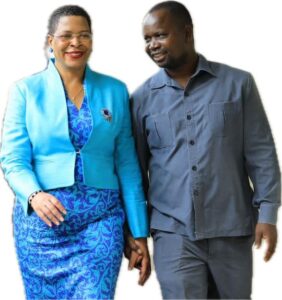
Whether responding to criticism about MPs’ expenditures, corruption allegations, or controversies surrounding Parliament, Obore often led the public response on his X handle.
In 2024, during a social media campaign highlighting the misuse of public funds by Among and others, Obore’s name surfaced among those through which some monies had been channelled.
He denied the allegations, but the controversy added another chapter to his turbulent career.
A survivor
Those who know Obore say survival has been a defining feature of his professional life long before he joined Parliament.
During his journalism days at Daily Monitor, he often clashed with senior management. In January 2015, Daily Monitor’s executive editor, Malcom Gibson, restructured the newsroom and dropped Obore as the Investigative Editor. He was assigned to the morning show on KFM.
Many at the organisation saw the move as a demotion, but instead, Obore reinvented himself.
Obore developed a strong public profile on radio, expanded his network and eventually emerged as one of Uganda’s most recognisable media personalities.
That ability to recover from setbacks has followed him throughout his career, yet the current uncertainty surrounding his position at Parliament presents a different challenge.
Oboth-Oboth’s rousing speech after he was elected speaker on May 25 was a signal that the new leadership will stamp its authority on Parliament, and some insiders believe fresh faces could be preferred in key administrative positions.
For now, Obore appears to be keeping a low profile. Will he survive the coming storm?