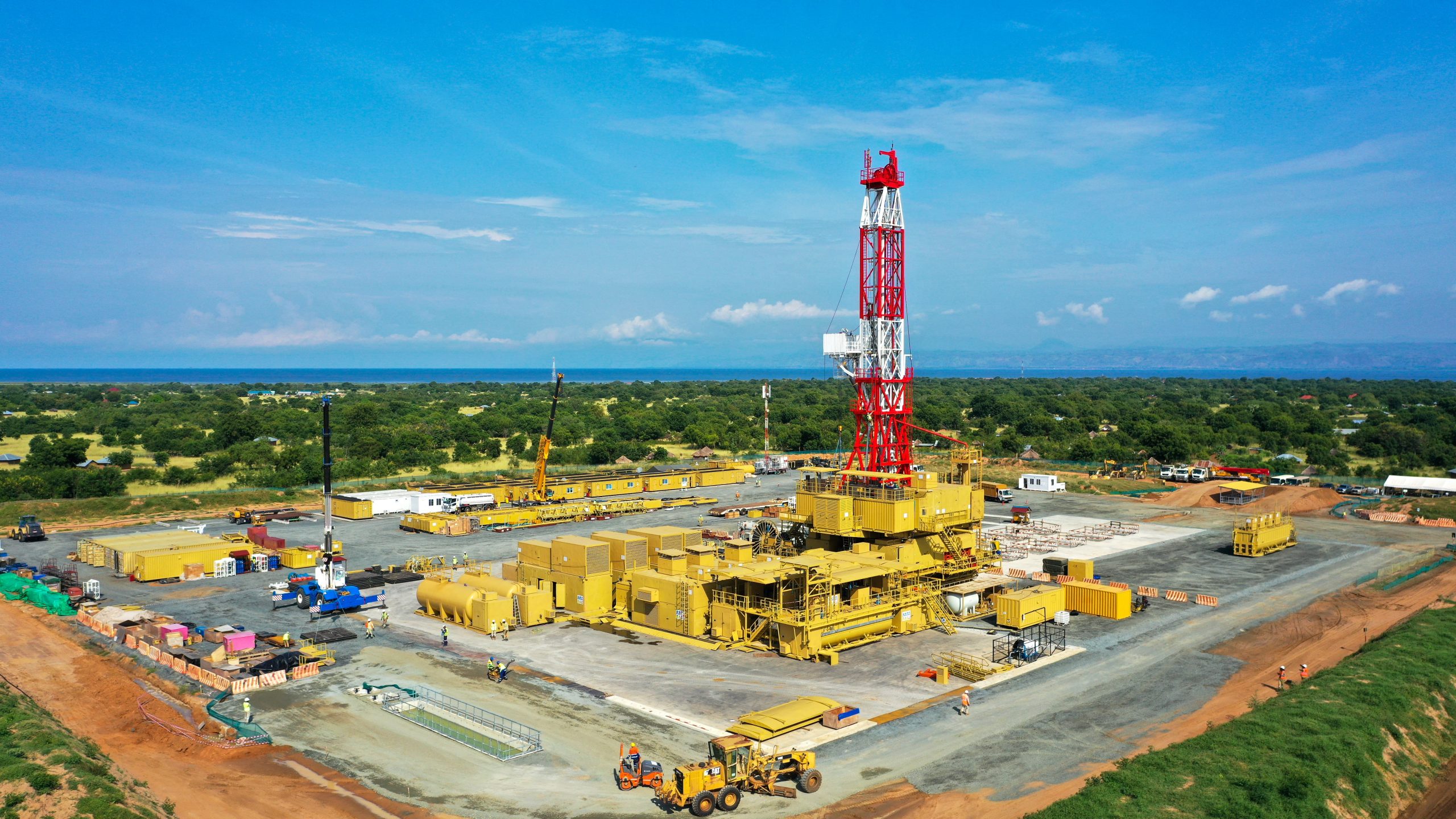
A new report has concluded that decades of oil and gas production have failed to bring meaningful economic development to many African countries, despite the continent’s vast fossil fuel resources.
The report, Pipe Dreams: How Oil and Gas Fail to Deliver Economic Development in Africa, was released by Oil Change International and Power Shift Africa.
It examines evidence from 13 oil- and gas-producing countries across Africa.
According to the report, many countries that export large amounts of oil and gas continue to struggle with poverty, limited access to electricity, and dependence on imported fuel. The study argues that the benefits of fossil fuel extraction have largely gone to multinational companies and a small political and economic elite rather than ordinary citizens.
The findings come ahead of the Africa Forward Summit, themed Africa-France Partnerships for Innovation and Growth, which will bring together heads of state, government officials and business leaders in Nairobi on May 11 and 12. Discussions at the summit are expected to influence future energy investments and development policies across the continent.
Researchers found that oil- and gas-producing countries remain highly exposed to global fuel price shocks despite their natural resources. Hundreds of millions of Africans still lack access to electricity and clean cooking solutions, the report says.
The study identifies several factors that have limited the contribution of the oil and gas sector to economic development. These include the extraction of wealth by multinational corporations, limited job creation, environmental damage, and negative effects on sectors such as agriculture.
The report also points to the industry’s vulnerability to global market fluctuations, which often lead to periods of economic boom followed by severe downturns.
The authors warn that the risks associated with fossil fuel investments are increasing as the world gradually shifts towards cleaner sources of energy. They argue that new oil and gas projects could become stranded assets as global demand declines, leaving African countries burdened with debt and shrinking revenues.
Instead, the report recommends greater investment in renewable energy, saying it offers a better opportunity to expand electricity access, create jobs and build more resilient local economies (Open the link below to read the full report ).
https://oilchange.org/wp-content/uploads/2026/05/pipe_dreams_report.pdf
Thuli Makama, Africa director at Oil Change International, said the current fossil fuel model has failed to improve the lives of many Africans.
“Oil and gas have not delivered development for Africa. Instead, wealth has been concentrated in the hands of multinational corporations and political elites, while communities face pollution, loss of livelihoods and rising living costs,” she said.
Makama added that recent geopolitical conflicts have exposed the weaknesses of the global fossil fuel system by driving up energy and food prices and pushing more people towards poverty and hunger.
Power Shift Africa founding director Mohamed Adow said African countries are once again being promised prosperity through fossil fuel development, despite evidence showing otherwise.
“Decades of oil and gas extraction have left producing countries more exposed to global economic shocks. Wealth continues to flow out of these countries rather than benefiting local communities,” Adow said.
He warned that continued investment in fossil fuels could lock African economies into costly projects that may become obsolete as the world moves away from oil and gas.
Kudakwashe Manjonjo, the lead on Critical Minerals and Green Industrialisation at Power Shift Africa, said the experience across the continent shows that resource wealth has not translated into broad-based development.
“Many countries rich in oil and gas remain energy poor. Communities have been left behind while governments face volatile prices, debt burdens and environmental challenges,” he said.
Manjonjo argued that Africa’s future lies in developing its renewable energy resources and becoming a global leader in clean energy production.
The report concludes that renewable energy offers a more sustainable path to economic growth and energy security, while continued reliance on fossil fuels risks deepening economic vulnerability across the continent.