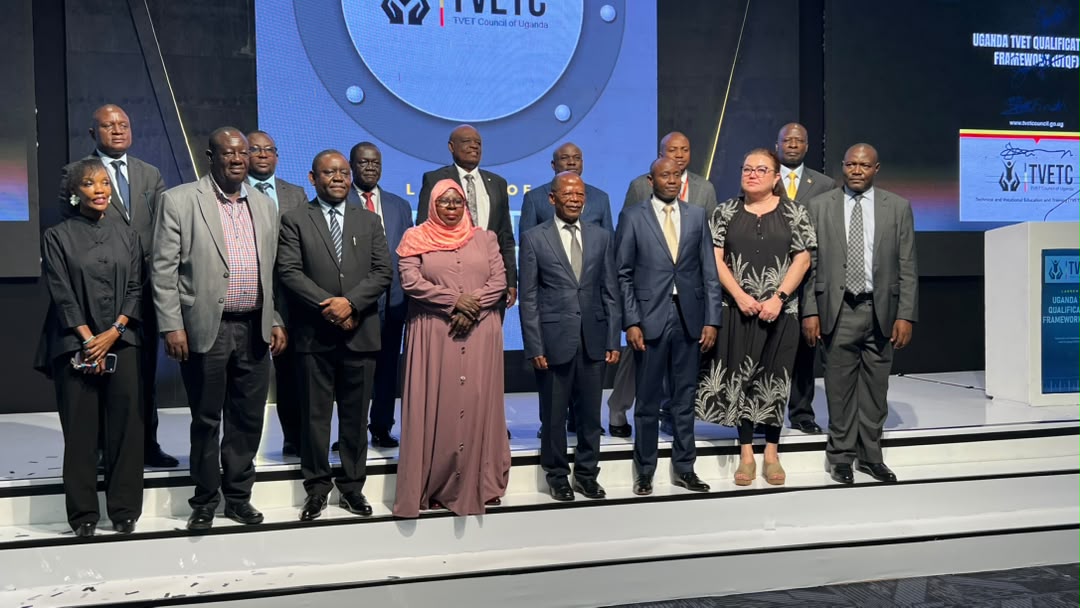
Government has launched a new national Technical and Vocational Education and Training (TVET) Qualifications Framework aimed at recognising and certifying practical skills acquired by Ugandans who may not have gone through formal education but have gained expertise through years of work experience and apprenticeships.
The Uganda TVET Qualifications Framework (UTQF) is intended to give skilled artisans, carpenters, welders, builders, mechanics and other workers an opportunity to obtain nationally recognised qualifications by demonstrating their practical abilities.
The framework also establishes clear career progression pathways, allowing people to advance from basic vocational skills to higher technical qualifications, including bachelor’s and master’s degrees in technology and a doctorate of practice.
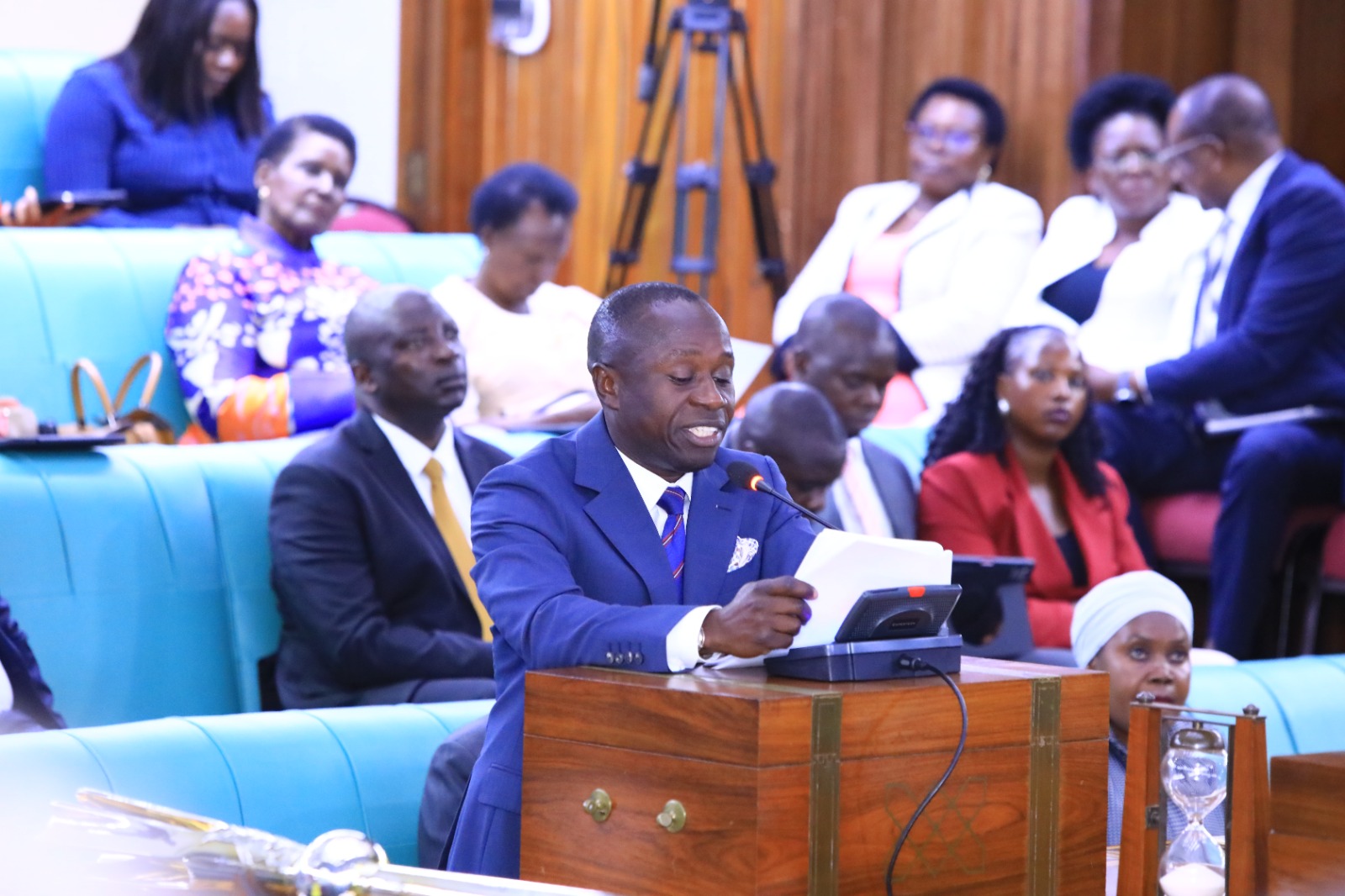
Speaking at the launch, Dr John Chrysostom Muyingo, the Minister of State for Higher Education, said government would provide the necessary guidance, institutional support and resources to ensure effective implementation of the framework.
Muyingo also encouraged young people, particularly those who have just completed their Primary Leaving Examinations (PLE), Uganda Certificate of Education (UCE) and Uganda Advanced Certificate of Education (UACE), to take advantage of their school holidays to acquire practical skills.
He said young people should not limit their ambitions to conventional academic education but should also consider technical and vocational training as a pathway to employment and professional development.
“Under this framework, a young person can start with a Primary Leaving Examination certificate, become a certified artisan and progress to a craftsman. They can continue through the different levels to attain a Bachelor of Technology, a Master of Technology and even a Doctorate of Practice,” Muyingo said.
He explained that the framework would provide opportunities for learners to develop their abilities progressively, regardless of the level at which they enter the vocational training system.
Moses Kasakya, the executive director of the TVET Council, called on business owners, particularly those operating in the informal sector, to embrace practical skills assessment and seek formal recognition for their experience.
He said many Ugandans possess valuable skills but remain outside the formal qualification system simply because they did not acquire them through conventional educational institutions.
Kasakya cited people working as cooks, welders, carpenters and builders, among others, saying they could approach recognised training institutions for assessment of their competencies and certification.
“Whether you are a good cook, welder, carpenter or builder, you can come to our institutions and apply. You will undergo an assessment, and if you demonstrate the required competencies, you can be certified. Where necessary, we can provide additional training to address any gaps in your knowledge,” Kasakya said.
He explained that the process would allow workers to have their existing abilities assessed against established standards rather than forcing them to start vocational training from the beginning.
The framework introduces a system known as Recognition of Prior Learning, which allows people to have skills acquired through employment, apprenticeships and other informal arrangements assessed and formally recognised.
However, certification will depend on whether an individual meets the required occupational standards. Having experience in a particular trade alone does not automatically qualify someone for a certificate.
The framework provides eight levels of qualifications, ranging from a Basic Competency Certificate for basic workers to a Doctorate of Practice for highly advanced technical professionals.
Government says the framework is particularly important because the success of its priority economic growth sectors will depend heavily on the availability of skilled artisans, craftspeople, technicians and technologists.
Sectors such as agriculture, agro-industrialisation, tourism, manufacturing, mineral development, oil and gas, and science and technology require workers with practical competencies to support production, innovation and economic growth.