Uganda has tightened screening and travel restrictions at its borders as it steps up efforts to prevent the spread of Ebola from the Democratic Republic of Congo (DRC), where the outbreak continues.
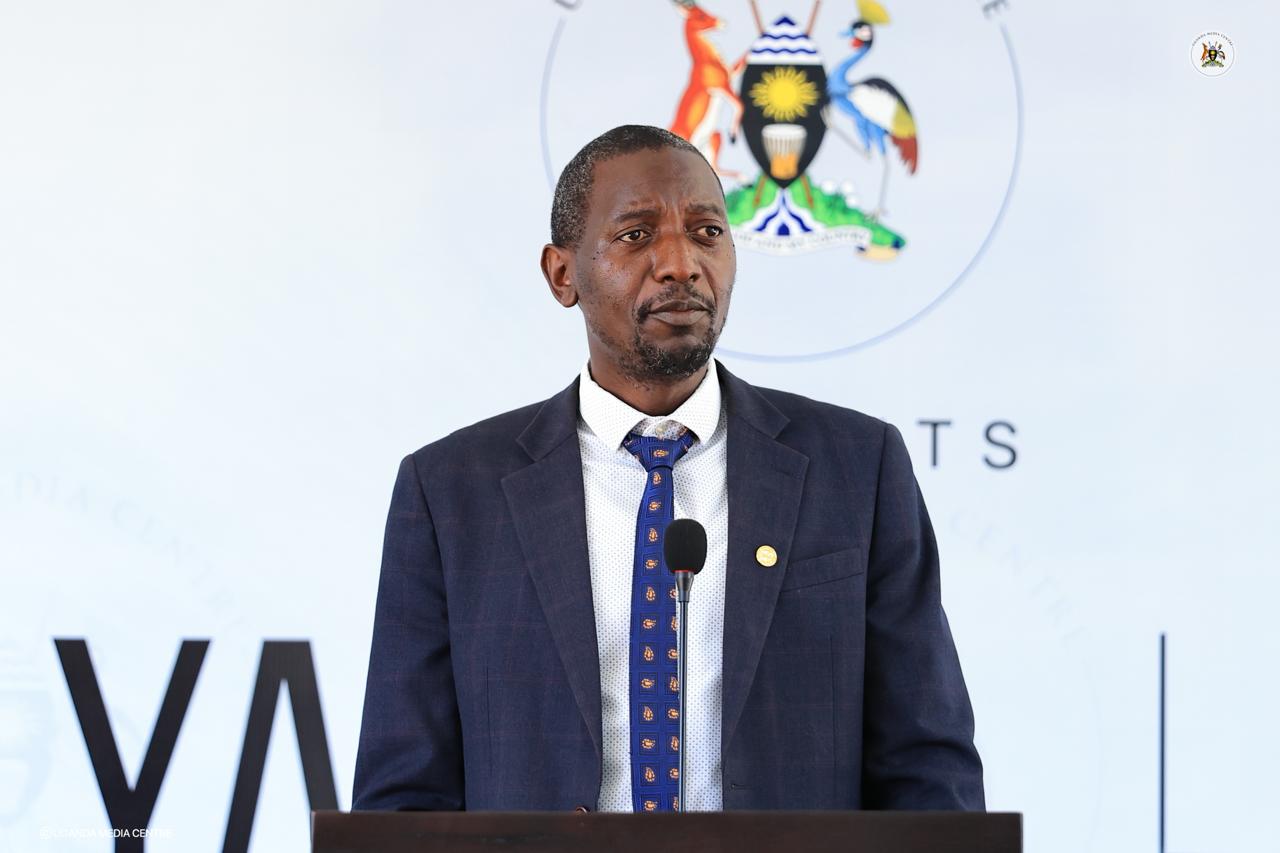
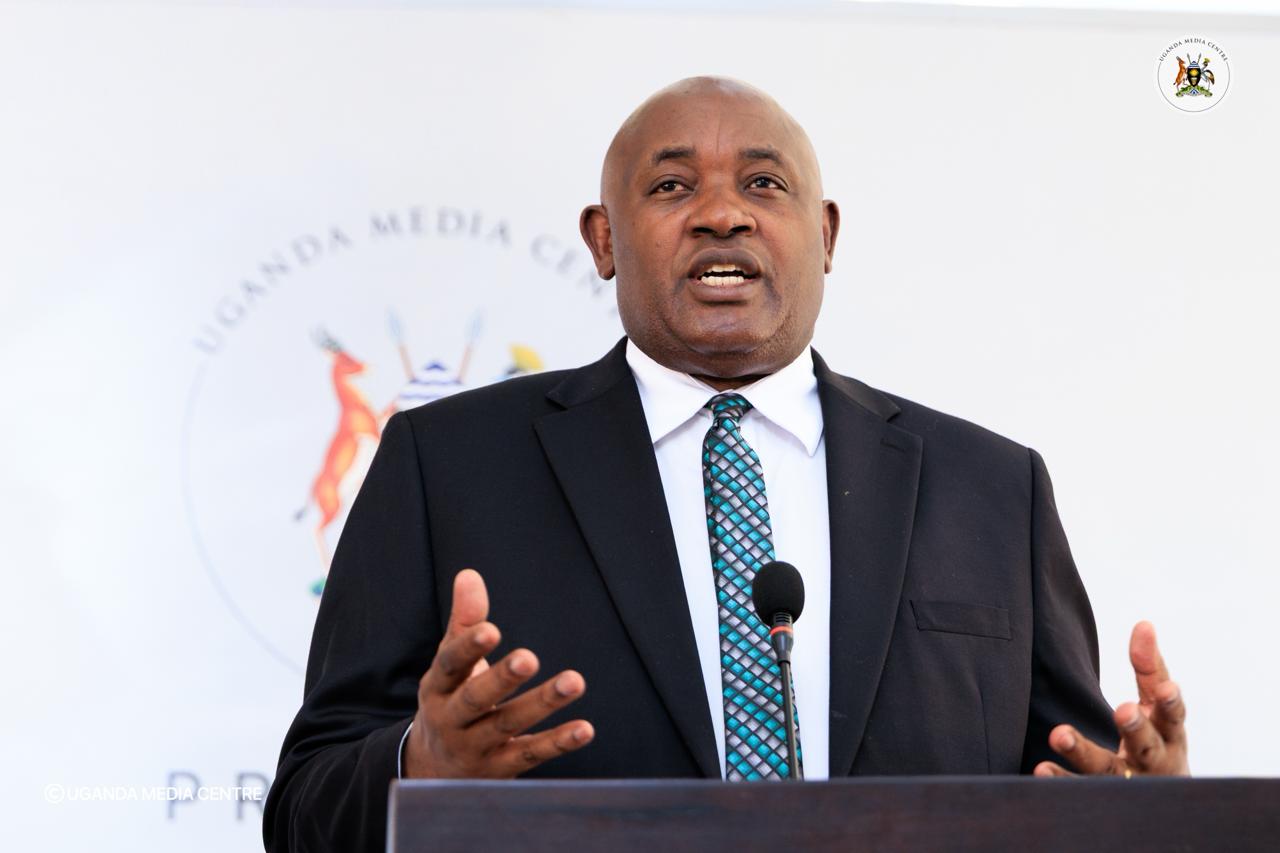
Health Minister Dr Chris Baryomunsi said Uganda remained Ebola-free as of October 25, 2026, with no confirmed cases recorded since the country declared its Bundibugyo virus disease outbreak over on July 28.
In a statement issued on October 25, Baryomunsi said all 60 people identified as contacts of a Kenyan traveller linked to an Ebola virus disease case had completed the mandatory 21-day monitoring period without developing symptoms and had been discharged from follow-up.
The contacts included personnel at points of entry and exit, hotel staff and transport operators who had been traced during investigations into the traveller’s movements in Uganda.
The minister described their discharge as an important milestone in the country’s efforts to prevent the disease from spreading.
Baryomunsi said investigators were also reviewing available genomic sequencing findings, which can help establish links between virus samples and improve understanding of how infections may have spread.
The ministry said findings from the investigations would be made public at a later date.
The government said it had successfully interrupted local transmission and declared the outbreak over on July 28. However, the continued spread of the disease in neighbouring DRC has raised concerns about the risk of new infections entering Uganda.
The two countries share extensive cross-border movements driven by trade, travel and family ties, making surveillance and cooperation between health authorities critical to preventing further infections.
The minister said Kasese had not recorded any confirmed Ebola cases or deaths, dismissing concerns about the disease in the area.
As part of the response, the Ministry of Health has intensified screening at Entebbe International Airport, land border crossings and designated road checkpoints.
All travellers entering Uganda by air, land or water are required to undergo screening by Port Health officials. They must also complete a Passenger Locator Form at their point of embarkation or before arriving in Uganda.
According to Baryomunsi, the information will help health teams trace travellers and conduct follow-up investigations when necessary.
The minister said screening requirements apply to all travellers, including diplomats and United Nations personnel.
At Entebbe International Airport, the ministry has also directed increased disinfection of baggage trays before and after baggage screening. Staff have been instructed to observe hand hygiene, including sanitising between handling passports.
Beyond the DRC, the government said it had signed a memorandum of understanding with South Sudan and deployed technical teams to the Central African Republic to support preparedness and response. It is also working with Rwanda to strengthen Ebola preparedness.
Baryomunsi called on regional governments and international partners to increase support for affected communities, saying the response should not come at the expense of other essential health services.
He urged partners to maintain routine immunisation, maternal healthcare and other services in the DRC while continuing to support Ebola containment.