
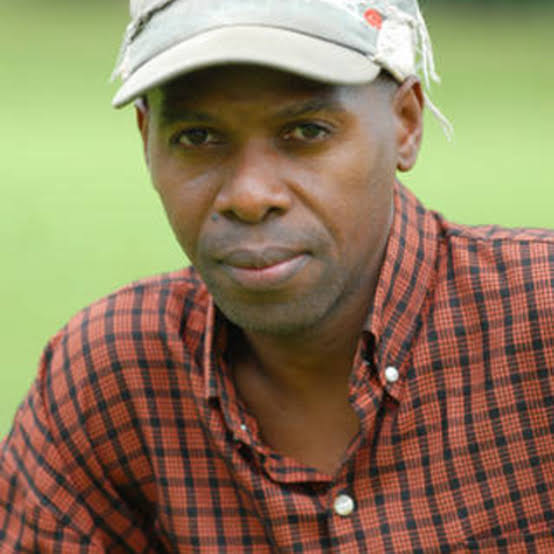
Renowned social commentator and social critic, Timothy Kalyegira, has been missing since either Thursday or Friday last week.
A message circulated in the Butenga Estate residents’ WhatsApp group on Sunday evening raised the alarm.
It said Kalyegira, who lives in the estate located in Kira, had not been seen or heard from since around Thursday or Friday.
“His phones are switched off,” the message read.
In the message, it was indicated that Kalyegira’s immediate family had been informed.
“We remain hopeful for his safe return,” the message read.
Kalyegira is one of Uganda’s most widely read political analysts and researchers. For nearly 30 years, he built a reputation as a meticulous and independent voice. He also writes a column in the Weekend Monitor.
His disappearance comes at a particularly fraught moment for press freedom in Uganda. Over the weekend, outlets belonging to Nation Media Group Uganda were shut down on the orders of Gen Muhoozi Kainerugaba.
Over the past couple of months, several politicians and civil society leaders have been arrested, and the country remains on edge since the elections in January 2026.
Kalyegira himself has not been a stranger to state attention.
In August 2010, police accused him of sedition and searched his home after he published articles questioning whether it was Al-Shabaab, rather than the Ugandan government, that was responsible for the July 2010 Kampala bombings that killed dozens of people.
He was arrested and remanded to Luzira Prison in May 2011 on charges of criminal libel against President Museveni. The charges against him were eventually dropped in 2015.
Those who know him say his disappearance is unusual. While he regularly travels upcountry to take photographs and film videos of everyday life, he is at least active on social media, particularly X.
He last posted on his X on June 24.
He wrote: “The people with the solution to Uganda’s current political and constitutional crisis know themselves. They directly or indirectly sustain more than three-quarters of the country’s economy. If they wanted to end the crazy impunity, they would do so with a few simple decisions.”
His known phone number was still off, and efforts to reach his immediate family had not yielded a response at the time of writing.