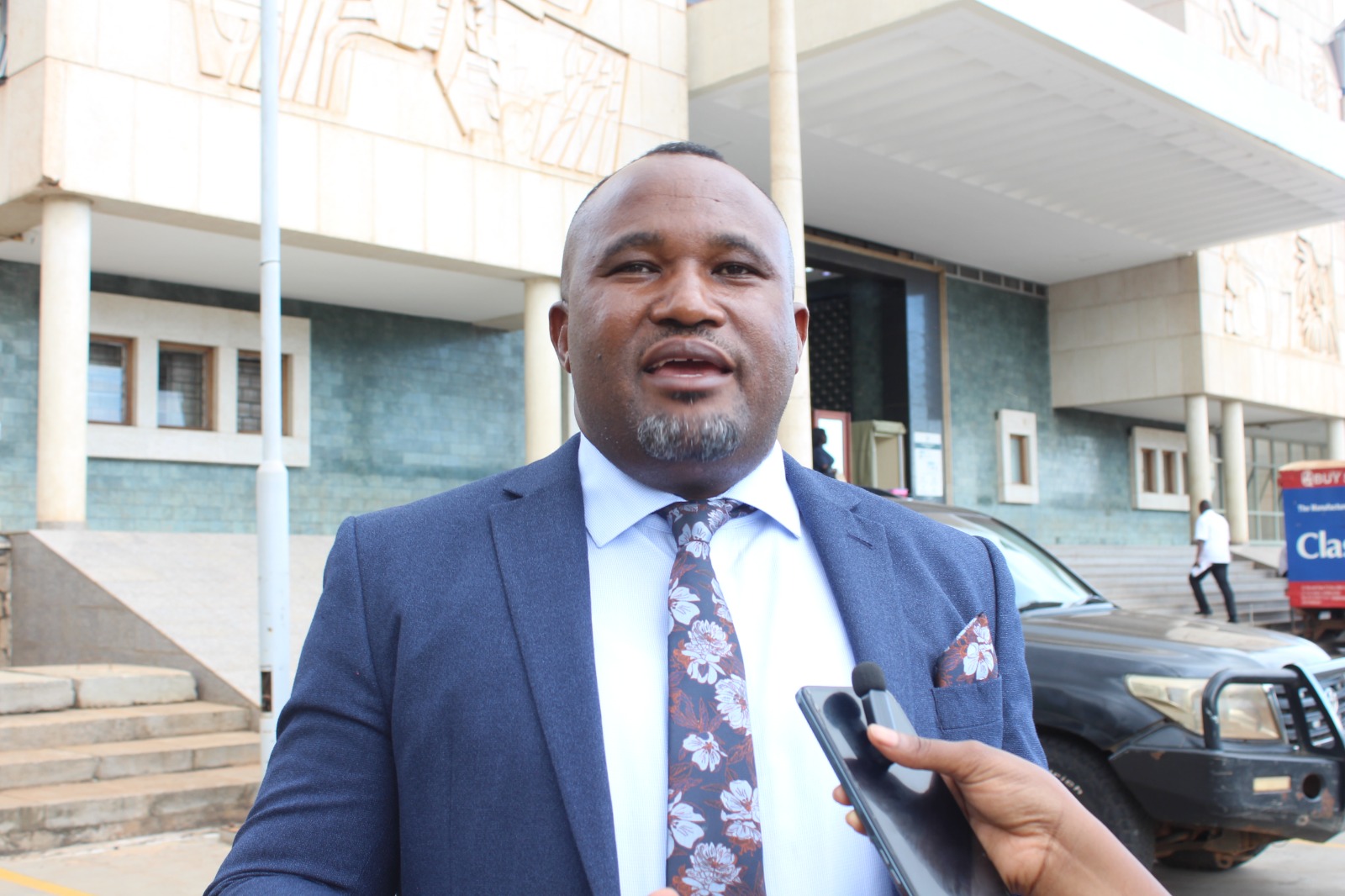

Makindye Chief Magistrate’s Court has started hearing the case in which Vincent Mbowa, the NRM candidate for the position of councillor LCV for Makindye III, is challenging the election of Paul Kato of the National Unity Platform (NUP).
He argues that Kato was illegally nominated and that the Electoral Commission (EC) failed to follow the proper legal procedures during the nomination process.
According to the petition, the alleged irregularities during nomination rendered Kato’s candidature unlawful.
Mbowa’s lead lawyer, Didas Muhinda, said his client is awaiting the court’s ruling on whether it has jurisdiction to consider issues raised in the petition, including objections regarding the response filed by Kato’s legal team.
Muhinda argued that Kato’s lawyers, Julius Sekadde and Joshua Komboy, filed their response outside the time allowed by law.
“We are waiting for the ruling to determine whether the court can entertain the issues raised by the respondents,” Muhinda said.
Mbowa also alleged that some candidates who were nominated on the NUP ticket were not residents of the areas they sought to represent and only changed their addresses after being declared winners.
He accused the EC of failing to adequately verify candidates’ qualifications and residency requirements during the nomination process.
Mbowa further criticised the commission for defending what he described as irregularities that occurred during nominations ahead of the 2026 elections.
Muhinda also asked the court to investigate what he described as a delayed response by Kato. He said the petition had been properly served on Kato through WhatsApp and his personal email address.
According to Muhinda, Kato’s denial of receiving the petition through WhatsApp should not invalidate the service.
The lawyer cited a previous High Court decision by Justice Bernard Namanya Sekana, which held that an illegally nominated candidate could be disqualified from an election.
However, Kato’s lawyer, Julius Sekadde, disputed the claim that his client had been properly served through WhatsApp.
He told the court that while Kato received the petition by email, he did not receive it through the phone contact cited by the petitioner.
Sekadde argued that although the law provides seven working days for a response to an election petition, time should not be treated as the decisive issue in the case.
He further submitted that because the Local Government Act does not clearly address the matter, questions regarding timelines should be guided by the Civil Procedure Rules.
EC’s lawyer Jackson Ssemujju also opposed the petition. He questioned why Mbowa participated in the election if he had concerns about the nomination process.
Ssemujju argued that any objections to a candidate’s nomination could have been raised before polling day rather than after the election results had been declared.
Magistrate Phiona Babirye decided after hearing the submissions to adjourn the matter to August 19, when she will deliver her ruling.