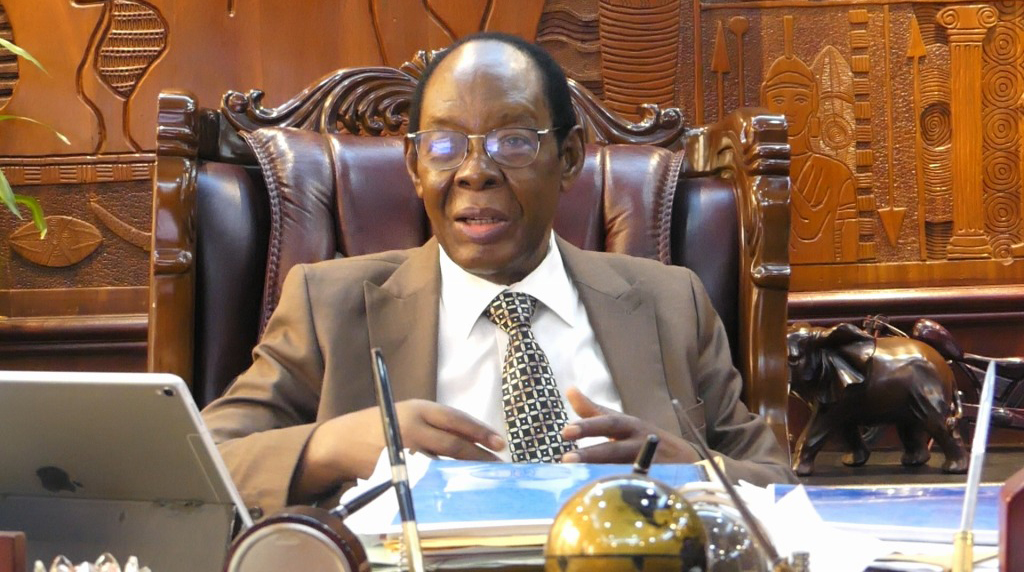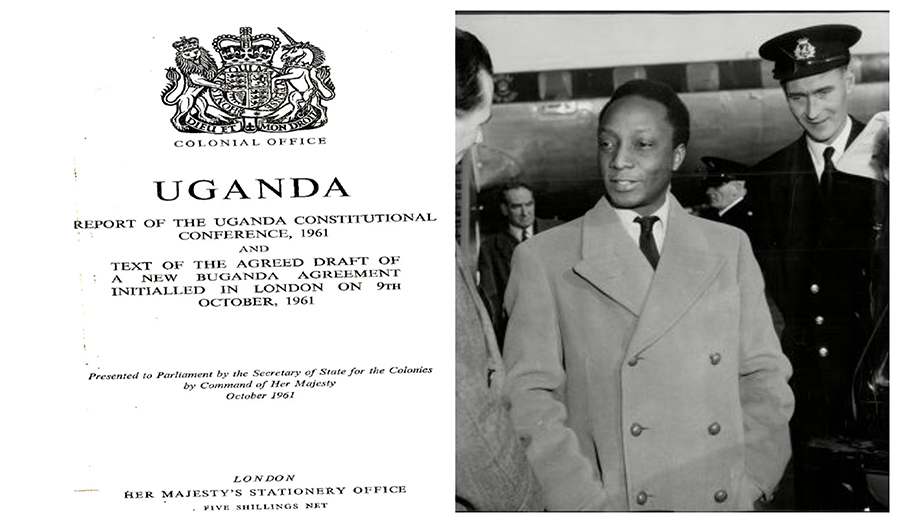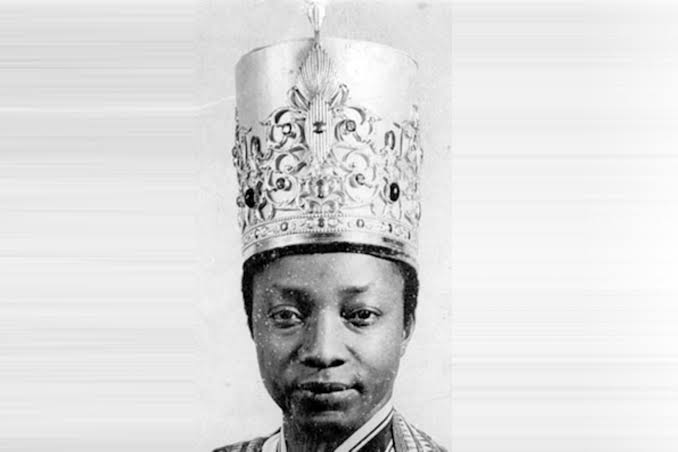
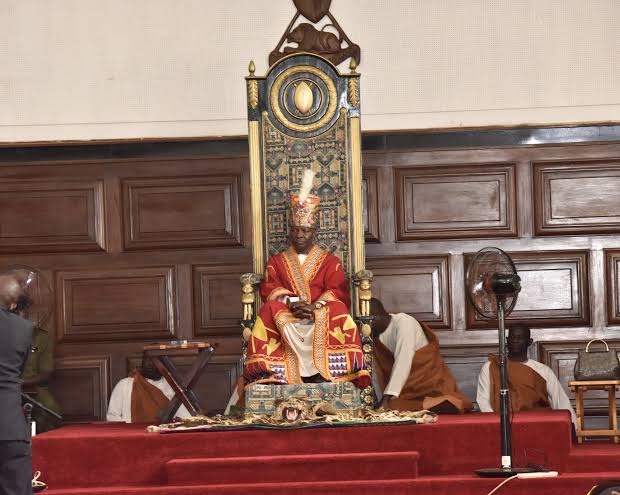
As Buganda prepares to mark the 33rd anniversary of Kabaka Ronald Muwenda Mutebi II’s coronation at Naggalabi, Buddo, senior lawyer and former Buganda Attorney General John Winston Katende has shared a detailed account of the people and events that led to the restoration of the kingdom after nearly three decades without a monarch.
***********************************************************
Drawing from his autobiography, My Life, Katende says the restoration of Buganda was the result of years of negotiations, legal work, and determination by a team of loyalists who believed the monarchy could one day return despite the difficult political environment.
Katende writes that he first met Prince Ronald Mutebi, who later became Kabaka Ronald Muwenda Mutebi II, in 1970 at Tottenham Court Road in London.
At the time, the prince was living in exile with little hope of returning to Uganda, let alone ascending the throne.
Katende says he travelled to London frequently and met the future king several times over the years. From those encounters, he became convinced that Prince Mutebi was destined to become Kabaka.
“I was confident that Prince Mutebi would one day be crowned as our future king. Despite his youth and humble demeanour, he carried an irresistibly regal aura, making it easy to believe in his future as king,” Katende writes.
That conviction was fulfilled in July 1993 when Katende had the honour of administering the oath that installed Prince Mutebi as Kabaka of Buganda during the historic coronation ceremony at Naggalabi, Buddo.
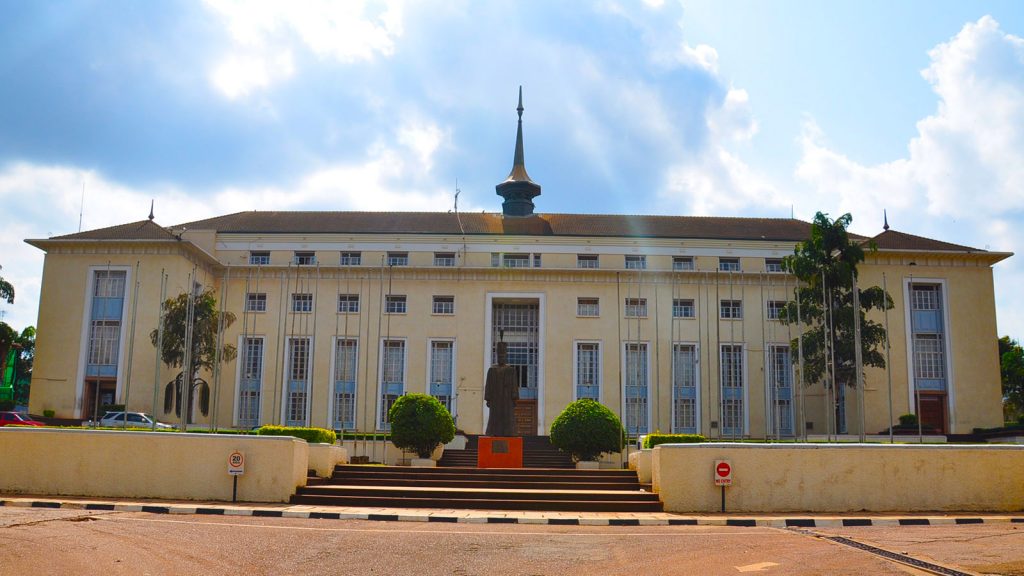
Katende explains that the journey to that day began with the 1966 political crisis, when government troops attacked the Kabaka’s palace at Mengo.
The attack forced Kabaka Edward Muteesa II, who was also Uganda’s first President, into exile in the United Kingdom, where he died in 1969.
Following the attack on the Lubiri, the Milton Obote government enacted the 1967 Republican Constitution, which abolished all traditional kingdoms in Uganda, including Buganda, and confiscated kingdom properties.
According to Katende, a new opportunity emerged after the National Resistance Movement took power in 1986.
He says he and several colleagues immediately began discussions on how Prince Mutebi could return as Ssabataka and how the Buganda Kingdom could eventually be restored.
Prince Mutebi returned to Uganda in 1986 for a two-month visit before going back to the United Kingdom.
Katende says discussions between Buganda leaders and the new government resulted in the revival of the Bika Football tournament, one of Buganda’s most cherished cultural events.
The prince attended the opening match at Nakivubo Stadium on September 12, 1987.
President Museveni later attended the tournament final in 1988.
Katende says the large crowds that enthusiastically welcomed Prince Mutebi left a lasting impression on Museveni.
He argues that it became increasingly clear that many Baganda strongly supported the prince and that his eventual return would help strengthen relations between Buganda and the new government.
Despite the positive developments, Katende says the restoration process remained difficult.
He recalls discussions with the late First Deputy Prime Minister Eriya Kategaya, one of Museveni’s closest allies.
Although Kategaya acknowledged that the Bika tournament had helped maintain peace among the Baganda, he expressed concern that it was also bringing them together politically.
Katende says Museveni himself feared that Prince Mutebi’s return could trigger ethnic tensions in other parts of Uganda.
To coordinate the restoration effort, Prince Mutebi guided the establishment of the Ssabataka Supreme Council in 1991.
Its main objective was to challenge the laws introduced under Obote that had abolished the monarchy and led to the seizure of the Buganda Kingdom’s properties.
The council was chaired by the late Joseph Patrick Musoke, a former Mulamuzi of Buganda. Its deputy chairpersons were the late Ssabalangira Besweri Mulondo and Omutaka Grace Semakula Ndugwa.
Katende served as the council’s legal adviser.
Other members included Rev Canon Dan Kajumba as Secretary General, the late Henry Kayondo as treasurer, John Baptist Walusimbi as deputy treasurer, Prof Apollo Nsibambi, Sheikh Ali Kulumba, Princess Elsie Nalongo Nabaloga Kajubi, Muhamood Kateregga, Daniel N. Nadduli, Kafeero Mbaziira, Mutasingwa, Evaristone Wagumbulizi Kiggundu, Robert Ssebunya, George William Sentamu Gyagenda and Frank Kisaala.
Katende says his appointment as legal adviser to both Prince Mutebi and the Ssabataka Supreme Council placed him at the centre of the legal efforts to restore the kingdom.
The 20-member council was tasked with overseeing the restoration process, coordinating negotiations with the government, and pursuing the repeal of the anti-monarchy laws enacted under Obote.
Its work also focused on securing the return of the Buganda Kingdom’s properties.
Katende says these efforts eventually laid the legal and political foundation that made Kabaka Mutebi’s coronation possible in July 1993.
As the council expanded into a fully fledged secretariat in 1991, Katende says it needed a capable administrative head.
He recommended Charles Peter Mayiga, then a young and committed Buganda loyalist, for the position of Principal Administrative Secretary.
Katende says Mayiga had been introduced to him by his colleague Francis Buwule together with Grace Semakula Ndugwa, the late Besweri Mulondo, and Rev Canon Dan Kajumba.
According to Katende, Mayiga’s commitment and hard work during the restoration process later earned him greater responsibilities within the kingdom, culminating in his appointment as Katikkiro of Buganda in 2013.
Katende concludes that the restoration of Buganda was not the achievement of one individual but the result of years of sacrifice, careful negotiations, and the collective efforts of loyalists who remained committed to restoring the institution of the Kabaka and its place in Uganda’s cultural and political history.